Gujarat CM inspects Koba Lake recharge well under Catch the Rain drive
Synopsis
Gujarat's Chief Minister inspected the GMC Recharge Well-B system at Koba Lake, Gandhinagar on 2 August 2026, examining scientific rainwater filtration infrastructure built under the national Catch the Rain campaign to replenish urban groundwater aquifers.
Key Takeaways
Gujarat CM visited Koba Lake, Gandhinagar on 2 August 2026 as part of the Catch the Rain campaign.
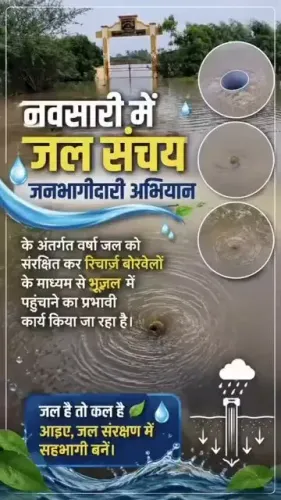
The GMC Recharge Well-B system scientifically filters rainwater before injecting it into groundwater aquifers — going beyond conventional percolation methods.
The infrastructure was developed by the Gandhinagar Municipal Corporation under the national Ministry of Jal Shakti initiative launched in 2021 .
The visit builds on Gujarat's Sujalam Sufalam Abhiyan (2018), which focused on large-scale desilting and recharge of water bodies.
Groundwater table monitoring in Gandhinagar will determine whether the filtered-recharge model is scaled to other Gujarat municipalities.
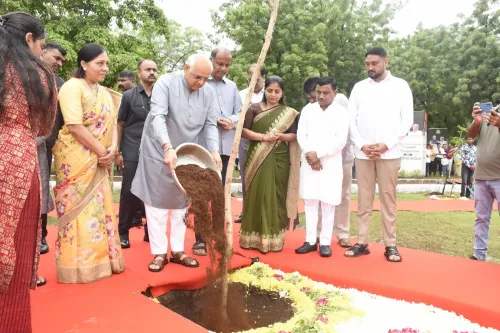
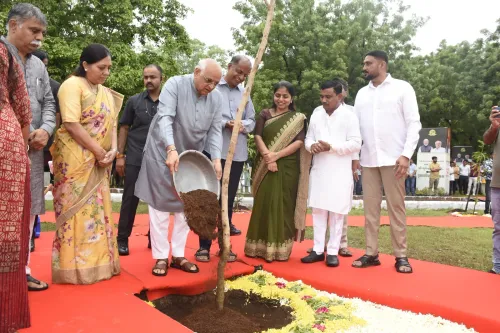
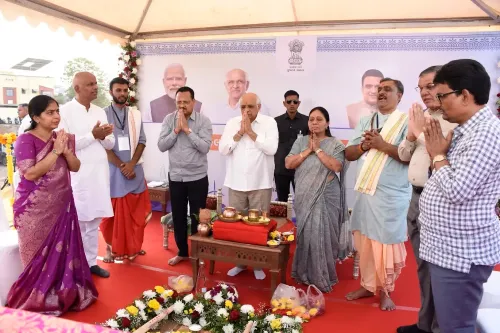
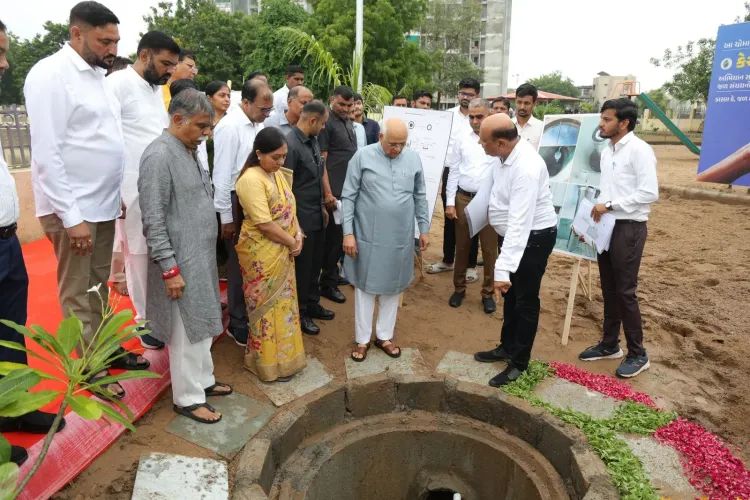
A recharge well at Koba Lake, Gandhinagar became the focal point of Gujarat's water conservation push on Sunday, 2 August 2026, when the Chief Minister of Gujarat visited the site to inspect infrastructure built under the national Catch the Rain campaign — a signal that the state is moving rainwater harvesting from pledge to plumbing.
The Chief Minister's Office posted on X that the CM inspected the GMC Recharge Well-B system — a filtration and recharge mechanism deployed by the Gandhinagar Municipal Corporation (GMC) that scientifically filters rainwater and channels it directly into the groundwater table. The Gujarati-language post described the visit as part of the 'Catch the Rain' abhiyan (abhiyan meaning 'campaign'), underscoring the state's alignment with the Ministry of Jal Shakti's national initiative launched in 2021.
What the GMC Recharge Well-B system does at Koba
Koba Lake, situated in Gandhinagar district, has been a site of successive water-body interventions over the years. The GMC Recharge Well-B system installed there filters incoming rainwater through a scientific treatment process before injecting it into underlying aquifers — a step beyond conventional check-dams or percolation ponds that simply allow surface runoff to seep in untreated. The distinction matters: filtered recharge reduces the risk of contaminating groundwater with silt and surface pollutants.
Gujarat's layered water strategy — from Sujalam Sufalam to scientific wells
The CM's visit sits within a longer policy arc. Gujarat launched the Sujalam Sufalam Abhiyan in 2018 — a large-scale desilting and recharge programme for water bodies across the state. The national Catch the Rain campaign then added a fresh federal push in 2021, prompting urban local bodies like GMC to develop municipal-grade recharge infrastructure. The Koba well represents that convergence: a national mandate executed through municipal engineering in an urbanising district capital.
Gandhinagar's groundwater stress is not incidental — rapid urban growth around the state capital has placed mounting pressure on aquifers that millions of households and industries depend on. Recharge wells at lakes like Koba are one answer to a problem that check-dams alone, built for rural catchments, cannot fully solve.
What water managers will be watching next
The real test of the GMC Recharge Well-B system will show up in Gandhinagar's groundwater table monitoring reports over the coming monsoon seasons. If the filtered-recharge model delivers measurable aquifer recovery, it becomes a template for other Gujarat municipalities grappling with the same depletion curve. The state has signalled it intends to scale similar systems beyond Gandhinagar — making this inspection less a ribbon-cutting moment and more a quality-control checkpoint on an expanding rollout.
Gujarat's monsoon is variable and getting more so. Every litre scientifically recharged today is insurance against the dry months ahead.
Point of View
Not just an engineering footnote. Layering the GMC Recharge Well-B system on top of the older Sujalam Sufalam and national Catch the Rain frameworks shows a deliberate stacking of policy instruments — each addressing a gap the previous one left. For a state where rapid urbanisation around Gandhinagar is outpacing aquifer recovery, this municipal-level filtration infrastructure is a meaningful operational upgrade. The broader question is whether Gandhinagar's model gets replicated fast enough across Gujarat's other fast-growing towns before groundwater stress becomes a political crisis.
NationPress
2 Aug 2026
Frequently Asked Questions
What is the Catch the Rain campaign in Gujarat?
The Catch the Rain campaign is a national initiative launched in 2021 by the Ministry of Jal Shakti to promote rainwater harvesting and groundwater recharge across India. Gujarat has implemented it through municipal infrastructure such as the GMC Recharge Well-B system at Koba Lake, Gandhinagar.
What is the GMC Recharge Well-B system?
The GMC Recharge Well-B system is a filtration and recharge technology deployed by the Gandhinagar Municipal Corporation that scientifically filters rainwater and channels the treated water directly into underground aquifers, reducing contamination risks compared to conventional percolation methods.
Where is Koba Lake located?
Koba Lake is located in Gandhinagar district, Gujarat, and has been the site of multiple rainwater harvesting and recharge interventions by the Gandhinagar Municipal Corporation.
What is Gujarat's Sujalam Sufalam Abhiyan?
Sujalam Sufalam Abhiyan is a Gujarat government programme launched in 2018 focused on large-scale desilting of water bodies and augmenting groundwater recharge. It forms part of the state's broader water conservation policy alongside the national Catch the Rain campaign.
Why is groundwater recharge important for Gandhinagar?
Rapid urbanisation around Gandhinagar has placed significant pressure on local aquifers. Scientific recharge systems like the GMC Recharge Well-B at Koba Lake help replenish groundwater reserves during monsoon season, providing a buffer against water scarcity in drier months.