Gujarat CM Office Urges Citizens to Avoid Rumours Amid Heavy Rain
Synopsis
The Chief Minister's Office of Gujarat on 25 July 2026 issued a public advisory under CM Bhupendra Patel's leadership, warning citizens against viral social media rumours during heavy rainfall and urging reliance on official government channels for credible information amid active relief and rescue preparations.
Key Takeaways
The Chief Minister's Office of Gujarat issued a public advisory on 25 July 2026 warning against social media misinformation during heavy rainfall.
CM Bhupendra Patel is leading the state government's continuous and intensive monitoring of the heavy rain situation.
The entire state administrative machinery is described as fully prepared for relief and rescue operations .
Citizens were specifically asked not to forward unverified information on social media, as even a small rumour can 'create an atmosphere of fear.' The advisory directs the public to rely only on government departments, authorised social media handles, and official news bulletins for accurate information.
The communication follows a broader national pattern of using official digital channels to counter misinformation during monsoon-related emergencies.
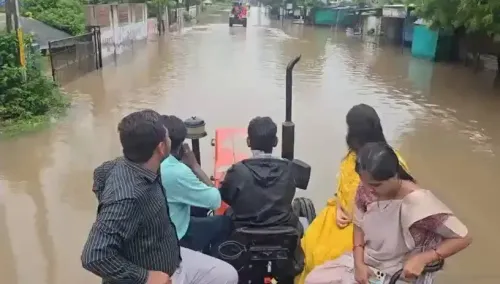
The Chief Minister's Office of Gujarat issued a public advisory on Saturday, 25 July 2026, urging residents across the state to stay away from misleading rumours circulating on social media during the ongoing heavy rainfall situation. The advisory, posted on the official CMO Gujarat X account, confirmed that the state government and the entire administrative machinery, under the leadership of Chief Minister Bhupendra Patel, are continuously and intensively monitoring the heavy rain conditions and are fully prepared for relief and rescue operations.
Context
The post, originally in Gujarati, appeals directly to citizens: 'Nagarikone apil: Afvaoathi door raho, sattavar mahiti par ja vishvas karo' — 'Appeal to citizens: Stay away from rumours, trust only official information.' The CMO warned that misleading information going viral on social media should neither be believed nor forwarded. The advisory stated clearly that 'even a small mistake or rumour can create an atmosphere of fear.'
Citizens were asked to rely exclusively on government departments, the administrative machinery, other authorised social media handles, and official news bulletins for credible information. The message frames responsible citizenship as a key element of disaster response — urging the public to cooperate with the administration during a natural calamity.
Policy Backdrop
Gujarat, a western Indian state with a long coastline and river systems, faces significant flood risk during the monsoon season each year. The state maintains a standing disaster management apparatus that activates under the Chief Minister's direct oversight during intense rainfall events.
At the national level, the National Disaster Management Authority (NDMA), established under the Disaster Management Act of 2005, provides the framework within which state governments like Gujarat coordinate their responses to natural calamities including floods and heavy rainfall. Gujarat's own State Disaster Management Authority operates in alignment with this framework, deploying district-level relief and rescue teams when conditions demand.
Indian state governments have increasingly turned to official social media channels during monsoon crises to counter the rapid spread of unverified information. The Gujarat CMO's advisory follows this well-established pattern, using the same platforms where misinformation travels fastest to deliver authoritative counter-messaging.
Stakeholders and Impact
The primary audience for this advisory is the general public of Gujarat — residents in districts experiencing heavy rainfall who may encounter flood-related rumours on platforms such as WhatsApp, Instagram, and X. Misinformation during weather emergencies can cause panic, obstruct rescue operations, and divert administrative resources toward managing public fear rather than actual relief work.
Local administrators, district collectors, and relief personnel also benefit from a calmer, better-informed citizenry. When residents act on verified information, coordination between the public and emergency services becomes more effective, reducing the risk of avoidable casualties or logistical bottlenecks.
What's Next
The CMO's advisory signals that the state administration anticipates the heavy rainfall situation to persist and that official communications will continue through authorised channels. Citizens and observers should watch for subsequent rainfall updates from the Gujarat government's official departments, and for any activation of district-level relief measures as conditions evolve.
The broader implication is clear: as monsoon intensity and social media penetration both grow, the Gujarat government's approach of proactively managing the information environment — alongside managing the physical disaster — is likely to become a standard feature of state-level emergency governance across India.
Point of View
The administration is attempting to occupy the information space proactively rather than reactively. This approach reflects a wider shift in Indian state governance: disaster response now has an explicit communications dimension alongside physical relief operations. The advisory also subtly reinforces CM Bhupendra Patel's image as a hands-on administrator, positioning his government as alert, prepared, and in control even before the peak of a weather event.
NationPress
24 Oct 2026
Frequently Asked Questions
Why did the Gujarat CMO issue an advisory about rumours during heavy rain?
The Gujarat CMO issued the advisory because misleading information spreading on social media during weather emergencies can cause public panic and obstruct relief and rescue operations. The government urged citizens to trust only official sources.
What should Gujarat residents do during heavy rainfall for accurate information?
Residents should rely only on official government department accounts, authorised social media handles, and official news bulletins. They should neither believe nor forward unverified information circulating on platforms like WhatsApp or X.
Is CM Bhupendra Patel personally overseeing the Gujarat flood response?
According to the CMO advisory, the state government and the entire administrative machinery are working under the leadership of Chief Minister Bhupendra Patel, with continuous and intensive monitoring of the heavy rain situation.
What is Gujarat's disaster management setup during monsoon floods?
Gujarat operates a State Disaster Management Authority aligned with the national framework set up under the Disaster Management Act of 2005. The apparatus activates under the Chief Minister's oversight during intense rainfall, deploying district-level relief and rescue teams.
How can spreading rumours during a natural disaster cause harm?
The CMO advisory explicitly states that even a small mistake or rumour can create an atmosphere of fear, which can divert administrative resources, cause public panic, and hinder the coordination of actual relief and rescue work.