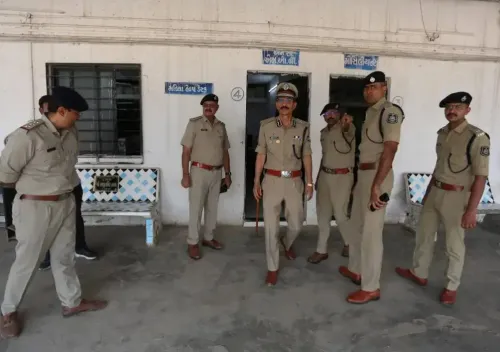
Gujarat Operation Delta Hunt: 362 Bangladeshis detained, 782 questioned
Synopsis
Gujarat's 'Operation Delta Hunt' is less a routine raid and more a data-driven dragnet — built on a telecom map of Indian numbers talking to Bangladeshi numbers. With 362 detained, 782 questioned, and 6,200 flagged, the operation also exposes a deeper Aadhaar and document trail allegedly routed through West Bengal.
Key Takeaways
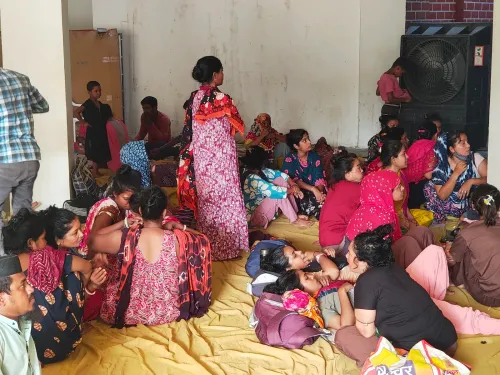
Gujarat Police have detained 362 Bangladeshi nationals and questioned over 782 suspected individuals under Operation Delta Hunt .
A telecom-analysis database of 6,200 suspects was built using Indian numbers in contact with Bangladeshi numbers.
DyCM Harsh Sanghavi said the operation was prepared over 72 hours ; 18 individuals trying to flee were intercepted at checkpoints.
Largest detentions came from Ahmedabad, Surat, Rajkot, Vadodara, and Bharuch ; smaller districts including Dang were also covered.
Some detainees allegedly entered via West Bengal and later obtained Aadhaar and other identity records.
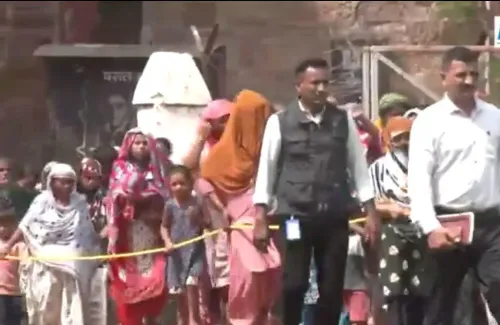
Gujarat Police have detained 362 Bangladeshi nationals allegedly residing illegally in India and questioned more than 782 other suspected individuals under 'Operation Delta Hunt', a statewide crackdown driven by telecom analysis, technical surveillance, human intelligence, and a dense network of checkpoints. The operation, announced on 3 June, was prepared over at least 72 hours before coordinated raids and blockades were launched across the state.
How the operation was built
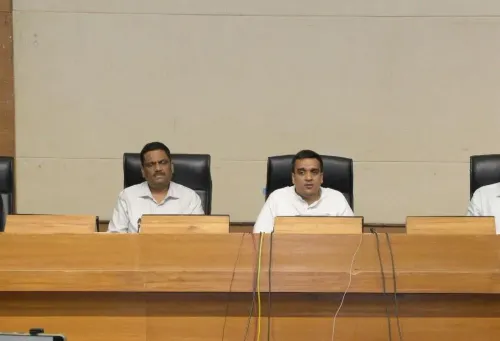
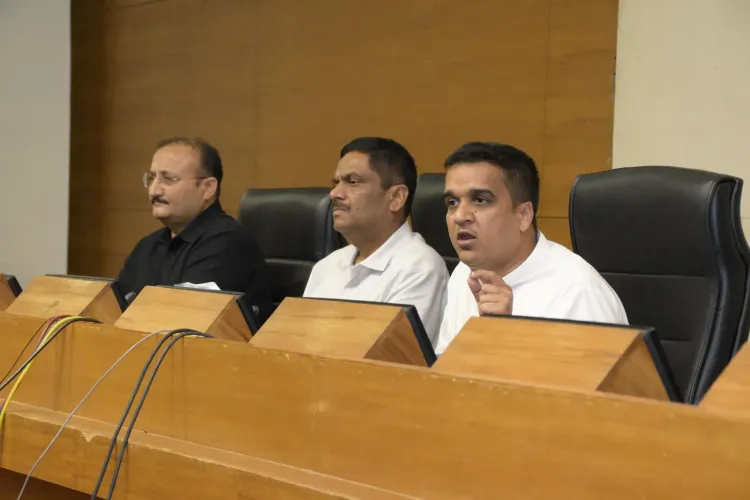
Addressing a press conference on Wednesday, Deputy Chief Minister Harsh Sanghavi said more than 6,200 suspicious individuals were screened before field teams moved in. The intelligence backbone, according to state police, came from technical inputs combined with on-ground verification.
Director General of Police K. L. N. Rao said extensive telecom analysis was carried out with support from the Cyber Centre of Excellence and local intelligence networks. ‘A database of Indian mobile numbers that had communicated with Bangladeshi numbers was prepared. Through this methodology, a database of more than 6,200 suspected Bangladeshis was compiled, and ground-level action was initiated to dismantle illegal networks,’ Rao said.
Checkpoints sealed escape routes
Officials said the plan was designed to choke exit routes the moment raids began. Police set up checkpoints at railway stations, bus terminals, district borders, highways, and other entry and exit points across Gujarat.
Sanghavi said the strategy worked, with 18 individuals who allegedly tried to flee being apprehended. ‘As soon as raids began in cities, blockades were activated at bus stations, highways, and railway stations. The operation was planned in such a manner that those trying to escape could also be intercepted,’ he said.
Where the detentions happened
The largest numbers were detected in Ahmedabad, Surat, Rajkot, Vadodara, and Bharuch, though teams also conducted checks in smaller districts including Dang. ‘Action was taken in districts wherever suspicious inputs were received,’ Sanghavi said.
Aadhaar and document trail under scrutiny
Investigators have reportedly gathered information suggesting some detainees entered India years ago through different parts of West Bengal and later obtained local documents that were allegedly used to secure Aadhaar cards and other identity records. This points to a deeper documentation chain that police say they intend to dismantle.
What happens next
Sanghavi described the exercise as a proactive policing initiative and said the drive would continue. ‘This is only the beginning. The operation is continuing today and will continue in the future across every corner of Gujarat,’ he said, adding that verification drives and intelligence-led investigations would persist to identify additional illegal residents and break support networks.
Point of View
And it raises questions Delhi hasn't fully answered on data oversight. The Aadhaar trail allegedly traced back to West Bengal also reopens a politically charged debate about document issuance at the entry-state level. Whether this becomes a replicable national model or a Gujarat-specific show of force will depend on what happens to the 782 still under questioning.
NationPress
21 Oct 2026
Frequently Asked Questions
What is Operation Delta Hunt in Gujarat?
Operation Delta Hunt is a statewide Gujarat Police crackdown on suspected illegal Bangladeshi residents, announced on 3 June. It combines telecom analysis, technical surveillance, human intelligence, and checkpoints, and has so far led to 362 detentions and the questioning of more than 782 individuals.
How did Gujarat Police identify the suspects?
Police built a database of Indian mobile numbers that had communicated with Bangladeshi numbers, with support from the Cyber Centre of Excellence and local intelligence units. This generated a watchlist of more than 6,200 suspected individuals who were then screened on the ground.
Which districts saw the most detentions?
The largest numbers were detected in Ahmedabad, Surat, Rajkot, Vadodara, and Bharuch. Police also conducted checks in smaller districts including Dang, with Deputy CM Harsh Sanghavi stating action was taken wherever suspicious inputs were received.
What is the Aadhaar angle in the investigation?
Investigators have reportedly found that some detainees entered India years ago through parts of West Bengal and later obtained local documents allegedly used to secure Aadhaar cards and other identity records. Police say dismantling this documentation chain is part of the ongoing probe.
Will Operation Delta Hunt continue?
Yes. Deputy CM Harsh Sanghavi has said the operation will continue across every corner of Gujarat, with sustained verification drives and intelligence-led investigations aimed at identifying more illegal residents and breaking support networks.