Digital arrest fraud: Two held in Gujarat, ₹58.5 lakh trail uncovered
Synopsis
A Rajkot cyber crime team cracked a ₹58.5 lakh digital arrest case within hours — arresting two men who allegedly rented out their company bank accounts to fraudsters who impersonated law enforcement to extort an elderly woman doctor. The speed of the arrests and the scale of the fraud together highlight both the rising threat and the improving police response to one of India's fastest-growing cyber crime typologies.
Key Takeaways
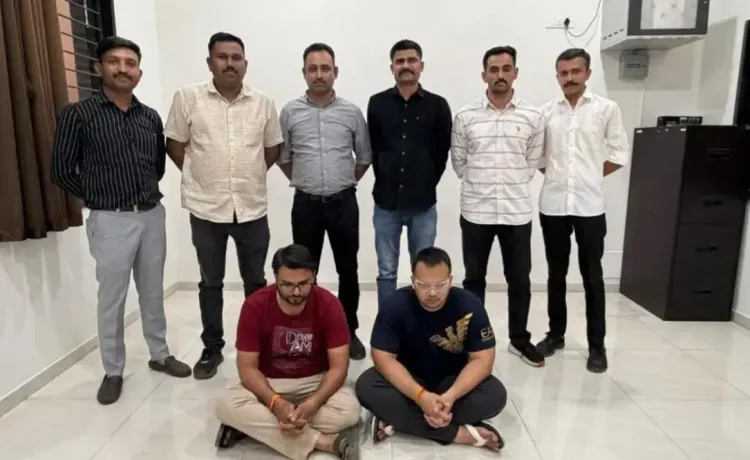
Rajkot City Cyber Crime Police arrested Darshan Makwana, 34 , and Shubham Parmar, 29 , on 3 October 2026 in connection with a digital arrest fraud.
Bank accounts linked to the accused were allegedly used to transfer approximately ₹58.5 lakh in cyber fraud proceeds.
The accused allegedly provided their company's bank accounts to cyber criminals in exchange for a commission.
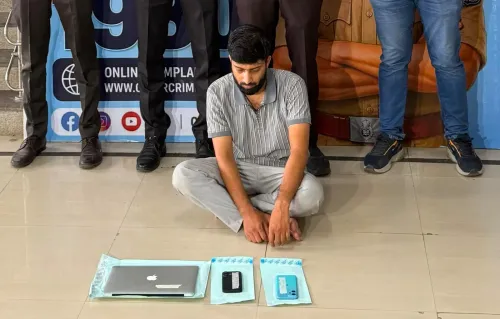
Police seized four mobile phones and a laptop valued at ₹1.20 lakh from the duo.
The case has been registered under the Bharatiya Nyaya Sanhita, 2023 and Section 66(D) of the Information Technology Act .
Further legal proceedings are underway; police have appealed to citizens to report suspected cyber fraud via the official helpline.
The Rajkot City Cyber Crime Police has arrested two men from Ahmedabad, Gujarat, within hours of registering a case involving the alleged digital arrest of an elderly woman doctor, with investigators finding that bank accounts linked to the accused were allegedly used to channel around ₹58.5 lakh in cyber fraud proceeds. The swift arrests, made on 3 October 2026, signal growing law-enforcement agility against a fraud typology that has claimed victims across India's professional class.
Who Was Arrested and How
Darshan Makwana, 34, a resident of the Isanpur area in Ahmedabad and originally from Bhangadh village in Dholera taluka, and Shubham Parmar, 29, a resident of Bhavnagar originally from Botad, were taken into custody following technical analysis and scrutiny of bank-related information, police said. Investigators traced the money trail to company bank accounts that the accused allegedly made available to cyber criminals in exchange for a commission.
Authorities seized four mobile phones and one laptop from the duo. The total estimated value of seized property stands at ₹1.20 lakh.
How the Digital Arrest Scam Works
In digital arrest frauds, victims are contacted by criminals impersonating law-enforcement officials or government representatives. The fraudsters then coerce victims — often through video calls designed to mimic official interrogation settings — into transferring large sums of money under the guise of an ongoing investigation. The elderly woman doctor at the centre of this case is reported to have lost approximately ₹58.5 lakh through this method, according to the complaint filed with police.
Notably, this pattern is not isolated. Digital arrest scams have surged across India, targeting retired professionals, senior citizens, and doctors — demographics perceived by fraudsters as less digitally savvy and more likely to comply under threat of legal action.
Charges Filed and Legal Framework
A case has been registered at the Cyber Crime Police Station, Rajkot under Sections 318(4), 308(2), 319(2), 204, and 61(2) of the Bharatiya Nyaya Sanhita, 2023, along with Section 66(D) of the Information Technology Act. The combination of BNS provisions and IT Act charges reflects the multi-layered legal approach authorities are increasingly deploying against cyber financial crime.
Senior Officers Oversaw the Operation
The arrests were carried out under the supervision of City Police Commissioner Brajeshkumar Jha, Additional Police Commissioner Chaitanya Mandlik, and other senior officials. Police confirmed that further legal proceedings are underway, suggesting additional accused may be identified as the money trail is investigated further.
Police Advisory to Citizens
Rajkot Cyber Crime Police have urged the public not to share bank details, OTPs, passwords, or other sensitive information with unknown callers. Authorities advised citizens to treat any phone or video call that threatens arrest or legal action and demands money with immediate suspicion, and to report such incidents through the official cybercrime helpline. The reminder underscores how social engineering — rather than technical hacking — remains the primary weapon of digital arrest fraudsters.
Point of View
And arrests of end-users rarely disrupt the criminal networks upstream. Until investigators consistently trace the money further — to the architects rather than the account-renters — the fraud typology will persist regardless of how quickly individual cases are cracked.
NationPress
3 Oct 2026
Frequently Asked Questions
What is a digital arrest scam?
A digital arrest scam involves fraudsters impersonating law-enforcement or government officials, often over video calls, to coerce victims into transferring money under the threat of a fabricated investigation or arrest. Victims, typically senior citizens or professionals, are psychologically pressured into compliance before they can seek help.
How much money was lost in the Rajkot digital arrest case?
According to police, bank accounts linked to the two accused were used to channel approximately ₹58.5 lakh in cyber fraud proceeds. The money is believed to have been extorted from an elderly woman doctor who filed the complaint in Rajkot.
Who were the two men arrested by Rajkot Cyber Crime Police?
The arrested individuals are Darshan Makwana, 34, from the Isanpur area of Ahmedabad, originally from Bhangadh village in Dholera taluka, and Shubham Parmar, 29, from Bhavnagar, originally from Botad. Both were held within hours of the case being registered on 3 October 2026.
What charges have been filed in the case?
The case has been registered under Sections 318(4), 308(2), 319(2), 204, and 61(2) of the Bharatiya Nyaya Sanhita, 2023, along with Section 66(D) of the Information Technology Act, at the Cyber Crime Police Station in Rajkot.
How can citizens protect themselves from digital arrest fraud?
Police advise the public never to share bank details, OTPs, or passwords with unknown callers, and to treat any call that threatens arrest and demands money as a likely scam. Suspected cyber fraud should be reported immediately through the official cybercrime helpline.