Gujarat Enhances 'Gaumata Poshan Yojana' to Benefit More Cattle Shelters
Synopsis
On March 14, the Gujarat government announced a significant extension to the 'Mukhyamantri Gaumata Poshan Yojana', allowing more cow shelters to qualify for financial support. This move aims to enhance the welfare of cattle in the state.
Key Takeaways
Financial Support: Rs 30 per animal daily for cattle upkeep.
Expanded Eligibility: More shelters can now apply for funding.
Significant Funding: Rs 1,364 crore allocated since 2022.
Natural Farming Initiative: 500 villages selected for sustainable practices.
Market Integration: Farmers will have direct access to markets.
Gandhinagar, March 14 (NationPress) The Gujarat government has broadened the parameters of the 'Mukhyamantri Gaumata Poshan Yojana' by pushing back the registration deadline for cow and animal shelters. This strategic decision is anticipated to integrate more shelters into the state’s financial support program.
Chief Minister Bhupendra Patel sanctioned a modification to the eligibility criteria, allowing all cow and animal shelters registered under the Public Trust Act by December 31, 2025, to be eligible for funding starting from the 2026–27 fiscal year.
State Animal Husbandry Minister Jitu Vaghani stated that this adjustment was a response to appeals from various institutions that were previously disqualified under the former cut-off date.
“The eligibility parameters of the Mukhyamantri Gaumata Poshan Yojana have been substantially updated to include more cow and animal shelters across the state,” he remarked.
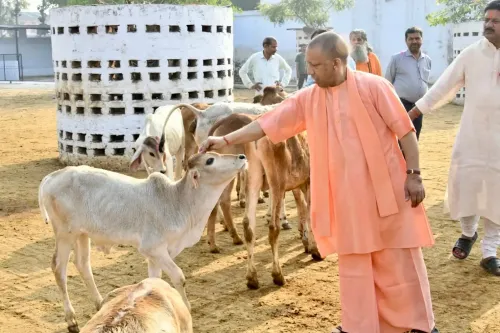
The initiative, which provides financial backing of Rs 30 per animal per day for the care of cattle in recognized shelters, was first introduced in the 2022–23 budget period by Prime Minister Narendra Modi at Ambaji.
According to the state government, from the inception of the scheme in 2022–23 until September 2025, a total of Rs 1,364 crore has been allocated for the maintenance of over 4.50 lakh animals across more than 1,600 institutions in Gujarat.
Previously, only those institutions registered under the Public Trust Act before March 31, 2022, were granted eligibility for this assistance.
This meant that shelters registered after the 2023–24 financial year could not avail themselves of these benefits.
Vaghani noted that numerous organizations had urged the government to reassess the cut-off date.
“Taking a favorable stance on these requests, the Chief Minister has opted to extend the trust registration deadline so that additional cow shelters can qualify for support,” he explained.
With the newly adjusted provisions, any shelter registered under the Public Trust Act by December 31, 2025, will be eligible to receive assistance under the scheme starting from April 1 this year.
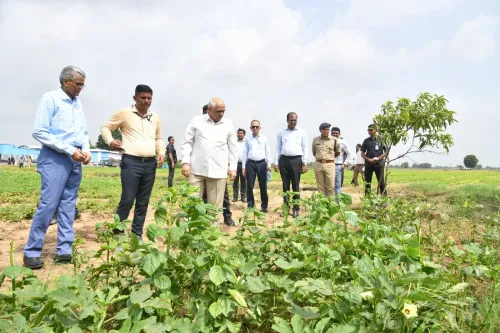
In an additional announcement, the state government revealed plans to promote natural farming through a cluster-based strategy, selecting 500 villages to be developed as 'natural farming villages'.
Vaghani indicated that these selected villages would progressively transition a significant portion of their agricultural land to natural farming methods.
“Farmers in these regions will receive not only advisory support but also training, guidance, and technical assistance at the grassroots level,” he stated.
The government aims to streamline certification processes so that produce cultivated through natural farming can gain recognition on national and international platforms.
Additionally, the chosen clusters will be directly connected to market systems to help farmers secure better prices for their chemical-free produce.
Vaghani emphasized that a collective approach to natural farming through clusters would lower transportation, packaging, and marketing costs for farmers.
“When farmers collaborate in clusters rather than operating individually, they can minimize operational expenses and achieve enhanced market returns,” he added.
The initiative, he concluded, is designed to foster sustainable agricultural practices while ensuring a steady supply of chemical-free food for consumers.
Point of View
More institutions can benefit, highlighting a responsive approach to stakeholder concerns.
NationPress
7 Oct 2026
Frequently Asked Questions
What is the 'Mukhyamantri Gaumata Poshan Yojana'?
It is a financial assistance scheme by the Gujarat government aimed at providing Rs 30 per animal per day for the upkeep of cattle in recognized shelters.
What changes were made to the eligibility criteria?
The registration deadline was extended to December 31, 2025, allowing more cow and animal shelters to qualify for support.
How much financial assistance has been disbursed since the scheme's launch?
Approximately Rs 1,364 crore has been distributed for the maintenance of over 4.50 lakh animals.
What is the significance of the new deadline for registration?
The new deadline will include shelters registered after March 31, 2022, thus expanding the program's reach.
What other initiatives is the Gujarat government undertaking?
The government plans to promote natural farming in selected villages to improve agricultural practices.