Ahmedabad 2008 blasts: Gujarat HC upholds 38 death sentences in historic verdict

Synopsis
Sixteen years after 21 bombs ripped through Ahmedabad in under an hour, the Gujarat High Court has confirmed death sentences for 38 convicts — one of the largest capital punishment verdicts in any Indian terrorism case. With the Supreme Court as the only remaining avenue, the legal reckoning for the 26 July 2008 attacks that killed 56 people has reached a decisive, if not final, stage.
Key Takeaways
The Gujarat High Court upheld death sentences for 38 convicts and life imprisonment for 11 others in the 2008 Ahmedabad serial blasts case .
The ruling confirms the February 2022 special court verdict, which convicted 49 accused after a trial involving more than 1,000 witnesses .
Families of the 56 people killed are to receive ₹10 lakh each ; more than 200 injured survivors will receive ₹1 lakh each .
The 26 July 2008 blasts involved 21 coordinated explosions across buses, public spaces, and hospitals in Ahmedabad .
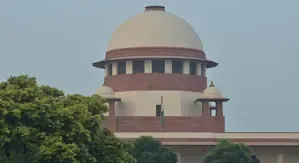
The convicts may now appeal before the Supreme Court of India , the only remaining judicial avenue.
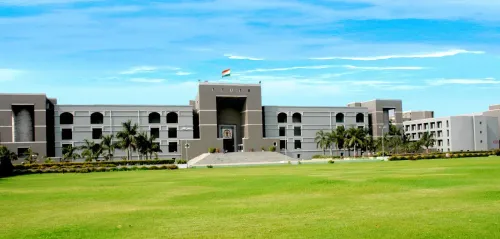
The Gujarat High Court on 8 July 2025 upheld the death sentences of 38 convicts and life imprisonment for 11 others in the 2008 Ahmedabad serial bomb blasts case, affirming one of the stiffest terrorism verdicts in Indian legal history. The Division Bench also ordered compensation of ₹10 lakh each for the families of the 56 people killed and ₹1 lakh each for more than 200 injured survivors.
What the High Court Ruled
The Division Bench confirmed the February 2022 judgment of the special trial court, which had convicted 49 accused while acquitting 28 others following one of the longest terrorism trials in India's history. Under Indian law, every death sentence handed down by a trial court must be confirmed by the High Court before it can be carried out — making Tuesday's ruling a mandatory and consequential step in the legal process.
The convicted persons had challenged the special court's findings before the Gujarat High Court, while the state government simultaneously sought confirmation of the capital sentences. The High Court has now upheld both the convictions and the sentences in near totality.
The 2008 Ahmedabad Blasts: Background
The attacks struck Ahmedabad on 26 July 2008, when 21 coordinated explosions tore through buses, crowded public spaces, and hospitals within a span of little more than an hour. The blasts killed 56 people and left more than 200 injured. In a particularly grim detail, some of the bombs targeted hospitals where victims of the earlier explosions had already been brought for treatment, compounding the scale of the tragedy.
Investigators registered dozens of criminal cases and mounted an extensive probe. The subsequent trial involved more than 1,000 witnesses and thousands of documents and exhibits — a volume of evidence that made it among the most complex terrorism prosecutions in the country.
What the Government Said
Gujarat Deputy Chief Minister Harsh Sanghavi responded swiftly, posting on social media platform X: '38 death sentences. 11 life terms. Zero mercy. July 26, 2008 Amdavad Serial bomb blast. Today, the Gujarat High Court delivered one of India's strongest and most historic verdicts: near-total conviction, maximum punishment upheld for the guilty. Jai Hind.'
Sanghavi's remarks framed the ruling as a landmark moment of accountability for a terror attack that had shaken the state and the country.
What Happens Next
With the High Court having confirmed the sentences, the convicts may now seek relief before the Supreme Court of India. Any further appeal would be the final judicial avenue available before the death sentences could be executed. Legal observers note that Supreme Court review of confirmed death sentences in terror cases can take several years, meaning the legal process is likely to continue.
Point of View
But it also underscores how long the wheels of justice turn in large-scale terrorism cases — seventeen years from attack to High Court confirmation. The compensation ordered, ₹10 lakh per family of the deceased, is modest against the scale of loss and will likely draw scrutiny. More consequentially, with the Supreme Court as the final stop, the actual execution of these sentences remains distant. India has a complex and slow record on carrying out capital punishment even in confirmed terror cases, and this verdict — historic as it is — is not the end of the road.
NationPress
6 Oct 2026
Frequently Asked Questions
What did the Gujarat High Court rule in the 2008 Ahmedabad blasts case?
The Gujarat High Court upheld death sentences for 38 convicts and life imprisonment for 11 others, confirming the February 2022 special court verdict in the 2008 Ahmedabad serial bomb blasts case. The court also ordered compensation for victims' families and the injured.
What happened in the 2008 Ahmedabad serial blasts?
On 26 July 2008, 21 coordinated bomb explosions struck buses, crowded public spaces, and hospitals in Ahmedabad within roughly an hour, killing 56 people and injuring more than 200. Some blasts targeted hospitals treating victims of earlier explosions, intensifying the toll.
How many people were convicted in the Ahmedabad blasts case?
A special trial court convicted 49 accused in February 2022 after a lengthy trial involving more than 1,000 witnesses, awarding death sentences to 38 and life imprisonment to 11. The Gujarat High Court has now confirmed those sentences.
What compensation will victims receive following the High Court verdict?
The Gujarat High Court directed that families of the 56 people killed receive ₹10 lakh each, while more than 200 survivors who were injured are to receive ₹1 lakh each.
Can the convicts appeal further after the Gujarat High Court verdict?
Yes. The convicts may now approach the Supreme Court of India, which is the only remaining judicial avenue. Under Indian law, the High Court confirmation was a mandatory step before any death sentence can be executed, and Supreme Court review could extend the legal process further.