2008 Ahmedabad blasts case: Ex-DCP reveals how Crime Branch cracked it
Synopsis
Seventeen years after the blasts, a Gujarat High Court ruling upholding death sentences for 38 convicts has brought the 2008 Ahmedabad case back into focus — and retired DCP Abhay Chudasama's account of how it was cracked reveals just how close India came to letting a nationwide Indian Mujahideen network go undetected. The Ahmedabad probe didn't just solve one case; it reportedly unravelled a chain of blasts across India that had stumped investigators for years.
Key Takeaways
The Gujarat High Court on 7 July upheld death sentences for 38 convicts and life imprisonment for 11 others in the 2008 Ahmedabad serial bomb blasts case.
Retired DCP Abhay Chudasama said the Ahmedabad Crime Branch arrested key accused within 20 days and worked for four months to file all charge sheets.
Interrogations reportedly helped detect all bomb blasts carried out by the Indian Mujahideen across India, linking previously unsolved cases.
Evidence included rental records, mobile phone purchase receipts, identity documents, hotel stays, and call data records spanning multiple states.
The special court had convicted all 49 accused in February 2022 ; the High Court has now confirmed that verdict.
The court directed compensation of ₹10 lakh to families of the deceased, ₹5 lakh for grievous injuries, and ₹1 lakh for simple injuries.
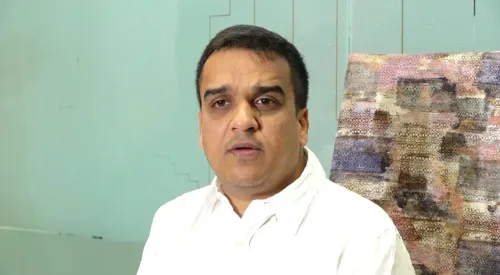
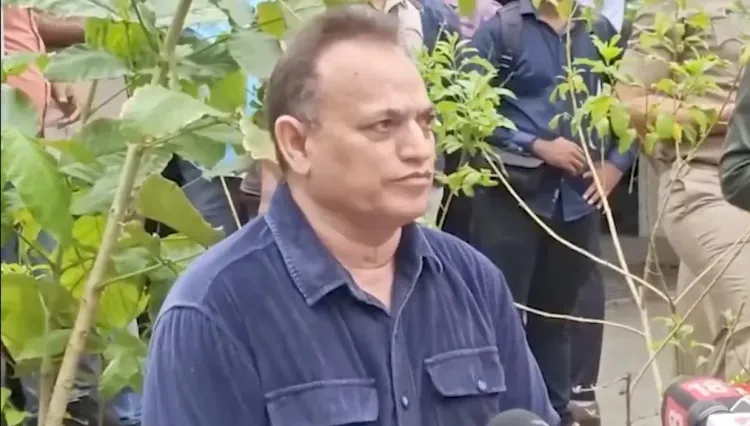
Retired Deputy Commissioner of Police Abhay Chudasama, a key member of the Ahmedabad Crime Branch team that investigated the 2008 Ahmedabad serial bomb blasts, has described how the case was cracked through relentless fieldwork, nationwide inter-agency coordination, and a vast body of forensic and documentary evidence. His remarks came on Tuesday, 7 July, following the Gujarat High Court's decision to uphold death sentences for 38 convicts and life imprisonment for 11 others among the 49 accused in the case.
The Investigation Begins
Chudasama recalled that the Ahmedabad blasts of 2008 occurred in the shadow of a string of unsolved attacks across India. 'When the blasts took place in 2008, there had also been blasts in Jaipur just before the Ahmedabad attacks. Even before that, blasts had occurred in several other cities across India, but none of those cases had been solved,' he said.
The Ahmedabad Crime Branch responded by immediately forming multiple specialised investigation teams. According to Chudasama, the breakthrough came quickly. 'Within 20 days we managed to arrest several key accused and unravelled the entire case,' he said.
How the Evidence Was Built
Chudasama explained that investigators cast a wide evidential net, going well beyond documentary records. 'If they had rented houses, we collected evidence relating to those rentals. If they had purchased mobile phones, we collected evidence of those purchases. Wherever they had provided identification, we obtained evidence of that,' he said.
Hotel stay records, residential addresses, and mobile phone call data were all examined. 'Their mobile phone records also provided us with a great deal of information, helping us identify where their links extended across India,' Chudasama added. The chargesheet, he said, ultimately became 'a solid and strong case' precisely because of the breadth of evidence compiled.
Unravelling the Indian Mujahideen Network
The interrogation of the arrested accused proved to be a turning point not just for the Ahmedabad case, but for counter-terrorism investigations nationwide. 'During the interrogation of these accused, all the bomb blasts carried out by the Indian Mujahideen across the country were detected,' Chudasama said. The Crime Branch worked continuously for four months, filed all charge sheets, and appointed four different investigating officers for distinct aspects of the probe.
Notably, the intelligence gathered helped link previously unconnected blast cases in other cities — a significant outcome that had eluded investigators until the Ahmedabad probe. 'We also gathered a great deal of information from across India that had not previously been linked together,' he said.
Years of Sustained Follow-Up
Chudasama emphasised that the work did not end with the arrests. The investigation team maintained active engagement through the trial and appellate stages, coordinating with police forces and security agencies across the country. 'Even after that, when the matter went into appeal, continuous follow-up was maintained,' he said, adding that cooperation from police forces nationwide was 'considerable.'
The special court convicted all 49 accused in February 2022, after examining thousands of documents and witnesses. The Gujarat High Court on Tuesday upheld that verdict in full.
Court Verdict and Compensation
The Gujarat High Court confirmed the death penalty for 38 convicts and life imprisonment for the remaining 11. The court also directed compensation of ₹10 lakh to the families of those killed in the blasts, ₹5 lakh to victims who suffered grievous injuries, and ₹1 lakh to those who sustained simple injuries.
With the High Court's ruling now on record, the case moves toward potential further legal challenges — and stands as one of the most extensively documented terrorism prosecutions in India's post-2000 judicial history.
Point of View
But Chudasama's account quietly underscores a systemic failure that preceded it: a string of Indian Mujahideen attacks across Indian cities had gone unsolved before Ahmedabad investigators finally connected the dots. That the breakthrough came from a single city's Crime Branch — rather than a coordinated national counter-terrorism architecture — raises questions about how India's intelligence-sharing structures functioned in the mid-2000s. The 17-year gap between the blasts and a final appellate ruling also reflects the structural lag in India's terrorism trial pipeline, even in cases with overwhelming evidence. Whether the compensation amounts directed by the court are adequate for families who have waited nearly two decades is a question the verdict leaves unanswered.
NationPress
6 Oct 2026
Frequently Asked Questions
What did the Gujarat High Court rule in the 2008 Ahmedabad blasts case?
The Gujarat High Court on 7 July upheld the special court's verdict, confirming the death penalty for 38 convicts and life imprisonment for 11 others among the 49 accused in the 2008 Ahmedabad serial bomb blasts case. The court also directed compensation ranging from ₹1 lakh to ₹10 lakh for victims and their families.
Who is Abhay Chudasama and what was his role in the investigation?
Abhay Chudasama is a retired Deputy Commissioner of Police who served as a senior officer in the Ahmedabad Crime Branch during the 2008 blasts investigation. He was among the officers who led the probe and has spoken publicly about how the case was built following the High Court's ruling.
How did the Ahmedabad Crime Branch crack the 2008 blasts case?
According to Chudasama, the Crime Branch formed multiple teams and arrested key accused within 20 days of the blasts. Investigators collected a wide range of evidence — including rental records, mobile phone purchase data, identity documents, and call records — and coordinated with police forces across India for four months before filing all charge sheets.
How did the Ahmedabad probe connect to other Indian Mujahideen attacks?
Chudasama said that during the interrogation of the arrested accused, investigators were able to detect all bomb blasts carried out by the Indian Mujahideen across India, including attacks in Jaipur and other cities that had previously remained unsolved. The probe reportedly helped link these cases for the first time.
When were the 49 accused originally convicted, and what compensation was ordered?
A special court convicted all 49 accused in February 2022, after examining thousands of documents and witnesses over a prolonged trial. The Gujarat High Court, while upholding the verdict, directed ₹10 lakh in compensation to families of those killed, ₹5 lakh for victims with grievous injuries, and ₹1 lakh for those with simple injuries.