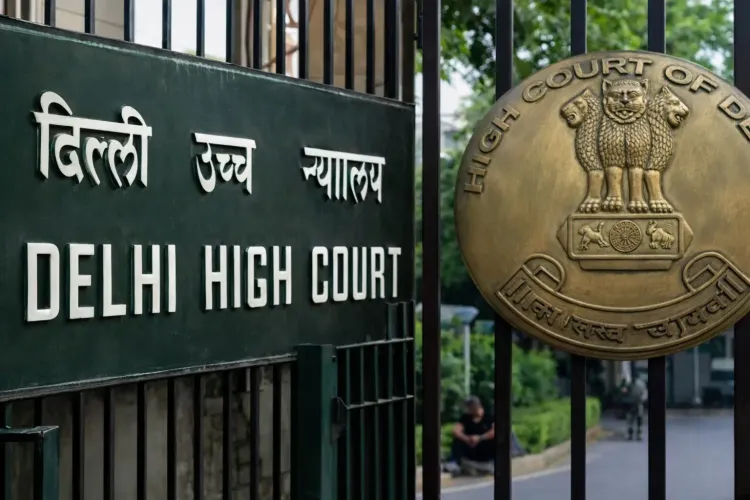
Delhi HC rejects bail plea of 2008 Delhi serial blasts accused Mansoor Peerbhoy
Synopsis
After 17 years as an undertrial, Mansoor Asghar Peerbhoy — the alleged Indian Mujahideen media cell head who reportedly sent the email claiming the 2008 Delhi blasts — has been denied bail by the Delhi High Court. With only two witnesses left and an eight-month trial deadline now set, the case that shook the capital is finally inching toward a verdict.
Key Takeaways
The Delhi High Court on 7 July rejected the bail plea of Mansoor Asghar Peerbhoy in the 2008 Delhi serial blasts case.
The September 13, 2008 blasts killed 26 people and injured 135 across New Delhi.
Peerbhoy has been in custody for approximately 17 years as an undertrial prisoner.
Evidence from 303 of 305 prosecution witnesses has been recorded; only 2 remain.
The court cited UAPA Section 43D(5) , the advanced trial stage, and continuing risk from Peerbhoy's alleged technical expertise as grounds for denial.
The trial court has been directed to conclude proceedings within eight months per a Supreme Court order.
The Delhi High Court on Tuesday, 7 July rejected the bail plea of Mansoor Asghar Peerbhoy, the alleged media cell head of the banned terrorist organisation Indian Mujahideen, in the 2008 Delhi serial blasts case. A Division Bench held that the gravity of the terror charges, the weight of evidence against him, and the near-conclusive stage of the trial collectively outweighed the argument of prolonged incarceration as an undertrial.
Court's Core Finding
A Division Bench of Justice Prathiba M. Singh and Justice Madhu Jain dismissed Peerbhoy's appeal against a trial court order that had earlier refused him bail. The bench ruled that the prosecution had placed sufficient prima facie material to satisfy the threshold under Section 43D(5) of the Unlawful Activities (Prevention) Act (UAPA).
'The present case is not a fit one for grant of bail,' the judgment stated, adding that the allegations were 'not confined to an isolated criminal act but formed part of a larger terrorist conspiracy with serious implications for the security, integrity and sovereignty of the nation.'
Background: The September 2008 Blasts
The case stems from the September 13, 2008 serial blasts across New Delhi, which claimed 26 lives and left 135 people injured. According to the prosecution, Peerbhoy — a qualified computer engineer who was employed with Yahoo India at the time — headed the media cell of Indian Mujahideen. He allegedly worked with co-accused Mubeen Kadar Shaikh to send an email claiming responsibility for the blasts by hacking into the Wi-Fi network of a Mumbai-based company, minutes before the explosions.
Forensic examination reportedly revealed file-erasing software and PDF documents on the laptop Peerbhoy allegedly purchased — matching documents circulated with the email claiming responsibility for the attacks.
Why the Court Denied Bail
Peerbhoy has remained in custody for approximately 17 years. He sought bail on three grounds: prolonged incarceration, parity with a co-accused who had been granted bail, and delay in the trial's conclusion. The court acknowledged the length of his detention but noted that the trial is at its 'fag end,' with evidence from 303 of 305 prosecution witnesses already on record and only two remaining — one of whom has been partly examined.
'Releasing the Appellant at this juncture, when the cross-examination of the remaining two witnesses is yet to be completed, could have an adverse impact on the ongoing trial proceedings,' the bench observed.
The court further flagged Peerbhoy's alleged technical expertise and leadership role within Indian Mujahideen as indicators of continuing risk, stating that 'the propensity of him getting involved in similar activities upon release, is extremely high.'
Balancing Liberty Against Public Safety
The bench underscored the competing constitutional considerations at stake. 'While considering the prayer for bail, the Court has to bear in mind not merely the right to life of the Appellant, but also the adverse impact that Appellant's release may have on the right to life and safety of common citizens,' the judgment said.
Notably, the court clarified that its observations were made solely for the purpose of deciding the bail plea and would carry no bearing on the merits of the trial itself.
Trial Deadline and Next Steps
Dismissing the appeal, the Delhi High Court directed the trial court to conclude proceedings within eight months, in line with an earlier order by the Supreme Court of India extending the trial completion deadline. With the finish line now in sight, the verdict on Peerbhoy's role in one of Delhi's deadliest terror attacks is expected within that window.
Point of View
Raising legitimate questions about the right to speedy trial. Peerbhoy's 17-year undertrial detention is not an outlier — it reflects a structural problem where UAPA cases routinely stretch over decades. The court's eight-month trial deadline is welcome, but it arrives after nearly two decades. The real accountability question is systemic: why did it take this long to examine 303 witnesses, and what reforms would prevent the next UAPA case from following the same trajectory?
NationPress
6 Oct 2026
Frequently Asked Questions
Why did the Delhi High Court reject Mansoor Peerbhoy's bail plea?
The Delhi High Court rejected the bail plea because the prosecution presented sufficient prima facie material under UAPA Section 43D(5), the trial is nearly complete with only two witnesses remaining, and the court assessed Peerbhoy's alleged technical expertise and leadership role in Indian Mujahideen as indicators of a continuing risk to public safety.
Who is Mansoor Asghar Peerbhoy?
Mansoor Asghar Peerbhoy is the alleged head of the media cell of the banned organisation Indian Mujahideen. A qualified computer engineer formerly employed with Yahoo India, he is accused of hacking a Mumbai company's Wi-Fi network to send an email claiming responsibility for the 2008 Delhi serial blasts minutes before the explosions occurred.
What were the 2008 Delhi serial blasts?
The 2008 Delhi serial blasts were a series of coordinated bomb explosions across New Delhi on September 13, 2008, that killed 26 people and injured 135. The Indian Mujahideen claimed responsibility via an email sent shortly before the blasts.
How long has Peerbhoy been in custody?
Peerbhoy has remained in custody for approximately 17 years as an undertrial prisoner. The court acknowledged this prolonged detention but held that the near-conclusive stage of the trial and the gravity of the charges outweighed the grounds for bail.
What happens next in the trial?
The Delhi High Court has directed the trial court to conclude proceedings within eight months, in line with a Supreme Court order. With evidence from 303 of 305 prosecution witnesses already recorded, only two witnesses remain to be examined before the case moves toward a verdict.