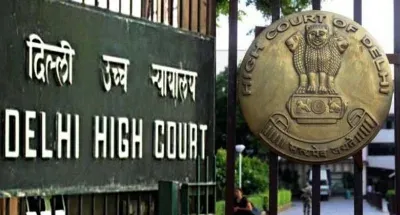
Delhi HC seeks police reply on Tahir Hussain bail plea in 2020 riots conspiracy case
Synopsis
The Delhi High Court has issued notice to Delhi Police on former AAP councillor Tahir Hussain's bail appeal in the 2020 riots UAPA conspiracy case — even as the Supreme Court's pending larger-bench ruling on whether prolonged incarceration can override UAPA's bail bar looms over the entire case.
Key Takeaways
The Delhi High Court on 10 June sought Delhi Police's response on Tahir Hussain's bail appeal in the 2020 Delhi riots UAPA conspiracy case.
The court also sought a reply on condonation of a 67-day delay in filing the appeal; next hearing is on 16 July .
The Karkardooma court had rejected Hussain's bail in its 29 January order, citing a prior prima facie finding and the bar under Section 43D(5) of UAPA .
The Supreme Court earlier denied bail to Umar Khalid and Sharjeel Imam but granted it to five other co-accused.
Hussain separately faces trial in the murder of IB officer Ankit Sharma ; verdict in that case was deferred to 11 June .
A Supreme Court larger-bench reference on UAPA bail rights for long-incarcerated accused could directly affect Hussain's case.
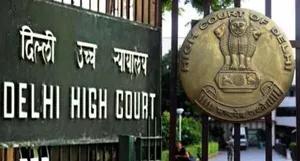
The Delhi High Court on Wednesday, 10 June issued notice to the Delhi Police, seeking its response on a bail appeal filed by former Aam Aadmi Party (AAP) councillor Tahir Hussain in the larger conspiracy case stemming from the 2020 Delhi riots. The case is registered under the Unlawful Activities (Prevention) Act (UAPA) and various provisions of the Indian Penal Code (IPC).
What the Court Directed
A division bench of Justices Neena Bansal Krishna and Madhu Jain also sought a reply on Hussain's application for condonation of a 67-day delay in filing the appeal. The delay relates to his challenge against a Karkardooma court order that had dismissed his earlier bail plea.
Additional Solicitor General S.V. Raju, appearing on behalf of the Delhi Police on advance notice, sought time to respond to both the appeal and the condonation application. The matter has been posted before the roster bench on 16 July.
Why the Trial Court Refused Bail
In its 29 January order, Additional Sessions Judge Sameer Bajpai of the Karkardooma court rejected Hussain's fresh bail plea, noting that an earlier application had already been dismissed in March 2024 after a prima facie finding was recorded against him.
The judge observed that while the Supreme Court had granted bail to five co-accused, it had simultaneously declined relief to alleged key conspirators Umar Khalid and Sharjeel Imam. The court further held that once a prima facie case is established and the bar under Section 43D(5) of the UAPA applies, 'no other different opinion can be formed now by reviewing the earlier order.'
The prosecution had argued — and the trial court accepted — that there was no material change in circumstances since the rejection of Hussain's previous bail application.
The Broader UAPA Bail Landscape
The case sits within a complex web of bail decisions at the Supreme Court level. Earlier this year, the apex court dismissed the bail pleas of Umar Khalid and Sharjeel Imam, holding that prosecution material disclosed prima facie grounds attracting the statutory embargo under Section 43D(5). At the same time, the Supreme Court granted bail to five co-accused: Gulfisha Fatima, Meeran Haider, Shifa Ur Rehman, Mohd Saleem Khan, and Shadab Ahmed.
More recently, the apex court granted six months' interim bail to Tasleem Ahmed and Khalid Saifi, simultaneously referring to a larger bench the question of whether prolonged incarceration and trial delays can justify bail despite the UAPA's restrictions — a ruling that could have significant implications for Hussain's appeal.
At the Delhi High Court level, bail was granted last month to co-accused Salim Malik alias Munna, with the court distinguishing his alleged role as a 'local-level facilitator' rather than a key conspirator. A separate division bench has reserved its verdict on the bail plea of co-accused Athar Khan, after orally observing that WhatsApp chats on record prima facie indicated his active involvement in the alleged conspiracy.
The IB Officer Murder Case
Separately, Hussain is also facing trial in the murder of Intelligence Bureau (IB) officer Ankit Sharma, who was killed during the riots. A Delhi court recently deferred till 11 June the pronouncement of its verdict in the case involving Hussain and 10 other accused.
According to the prosecution, Sharma's body was recovered from a drain in the Khajuri Khas area on 26 February 2020, a day after he went missing amid the communal violence. The prosecution has alleged that Hussain and the co-accused were part of an unlawful assembly and conspiracy that culminated in Sharma's murder.
In March 2023, the trial court framed charges against Hussain and the other accused for offences including rioting, promoting enmity, murder, and criminal conspiracy, observing at the time that he allegedly incited the mob to target members of the Hindu community and 'not spare them.'
What Happens Next
The Delhi High Court's notice to Delhi Police sets the stage for a substantive hearing on 16 July. The outcome will be closely watched given the Supreme Court's pending larger-bench reference on UAPA bail — a ruling that could reshape the legal calculus for all accused in the 2020 riots conspiracy case.
Point of View
Once formed, forecloses all fresh consideration is a position that has kept several accused incarcerated for over five years without trial completion. The Supreme Court's pending larger-bench reference on whether prolonged detention can override the UAPA bar is arguably the most consequential UAPA procedural question of this decade. The differential treatment between 'key conspirators' and 'facilitators' — visible in the bail granted to Salim Malik but denied to Umar Khalid — reveals how heavily judicial characterisation of role shapes outcomes, often before guilt is established. The IB officer murder verdict, expected imminently, adds a separate but parallel dimension of legal jeopardy for Hussain.
NationPress
26 Sept 2026
Frequently Asked Questions
Why did the Delhi High Court issue notice in Tahir Hussain's bail case?
The Delhi High Court issued notice to Delhi Police on 10 June to seek its response on Hussain's bail appeal and his application to condone a 67-day delay in filing it. The appeal challenges a Karkardooma court order from 29 January that had dismissed his bail plea in the 2020 Delhi riots UAPA conspiracy case.
Why was Tahir Hussain's bail rejected by the trial court?
The Karkardooma court rejected Hussain's bail in January, holding that a prima facie case had already been established against him in March 2024 and that the statutory bar under Section 43D(5) of the UAPA applied. The court also noted no material change in circumstances since his previous rejection.
What is the significance of the Supreme Court's larger-bench reference on UAPA bail?
The Supreme Court has referred to a larger bench the question of whether prolonged incarceration and trial delays can justify bail despite the UAPA's stringent Section 43D(5) bar. This ruling could directly affect Hussain and other long-incarcerated accused in the 2020 riots conspiracy case.
Who are the other accused in the 2020 Delhi riots conspiracy case?
Key accused include Umar Khalid and Sharjeel Imam, whose bail pleas were dismissed by the Supreme Court. Five others — Gulfisha Fatima, Meeran Haider, Shifa Ur Rehman, Mohd Saleem Khan, and Shadab Ahmed — were granted bail. Tasleem Ahmed and Khalid Saifi received six months' interim bail from the Supreme Court.
What is the separate case against Tahir Hussain involving IB officer Ankit Sharma?
Hussain is also on trial for the murder of Intelligence Bureau officer Ankit Sharma, whose body was recovered from a drain in Khajuri Khas on 26 February 2020. A Delhi court deferred its verdict in that case to 11 June; charges including murder and criminal conspiracy were framed against Hussain and 10 co-accused in March 2023.