SC grants bail to Indian Mujahideen accused after 12-year detention, slow trial
Synopsis
The Supreme Court has freed two Indian Mujahideen accused held for nearly 12 years — not on merit, but because the Delhi trial has examined just two of 197 witnesses since January 2025. The ruling shines an uncomfortable light on how UAPA cases can become indefinite detention by procedural default, with no end to trial in sight.
Key Takeaways
The Supreme Court on 29 July granted bail to Mohd.
Saquib Ansari and Waqar Azhar , alleged members of the Indian Mujahideen's Rajasthan module .
Both accused have been in custody since 2014 — nearly 12 years — in connection with FIR No.
54/2011 at PS Special Cell, New Delhi.
The prosecution proposed to examine 197 witnesses ; only 2 have been examined since January 2025 .
The bench of Justice Vikram Nath and Justice Sandeep Mehta held that continued detention violated Article 21 of the Constitution.
The court made no finding on the merits of the charges and warned that bail could be revoked if the accused delay or obstruct the trial.
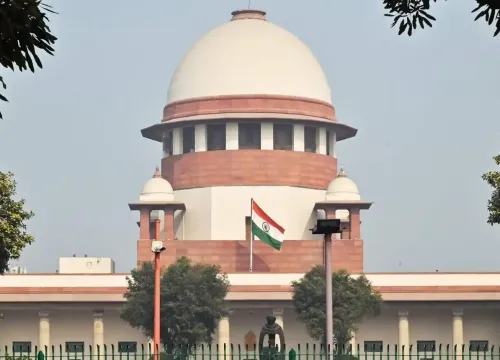
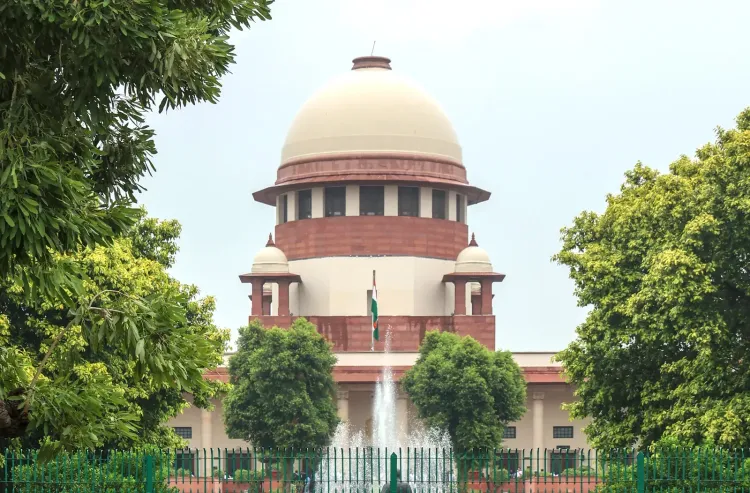
The Supreme Court of India on 29 July granted bail to two alleged members of the Indian Mujahideen's Rajasthan module — Mohd. Saquib Ansari and Waqar Azhar — in a terror case registered by the Delhi Police Special Cell, ruling that their near 12-year incarceration combined with the trial's glacial pace constituted a gross violation of their fundamental right to personal liberty under Article 21 of the Constitution.
Background of the Case
The case traces back to the arrest of Pakistani national Mohd. Qateel Siddiqui in November 2011, who allegedly disclosed the existence of a Rajasthan-based module of the Indian Mujahideen tasked with carrying out terrorist activities in and around Delhi. Investigating agencies claimed to have subsequently recovered explosives and materials allegedly used for manufacturing improvised explosive devices (IEDs) from the accused, leading to the registration of two separate cases by the Rajasthan ATS/SOG.
The two petitioners have been in custody since 2014, facing charges under the Unlawful Activities (Prevention) Act (UAPA), the Indian Penal Code, the Explosive Substances Act, the Arms Act, and the Passports Act.
Relief Already Secured in Rajasthan Cases
The Supreme Court noted that both accused had already obtained relief in the parallel Rajasthan proceedings. Their convictions in one case have been stayed by the Rajasthan High Court through suspension of sentence, while they have been granted bail in the other pending Rajasthan case. The bench recorded that their continued detention was 'solely on account of FIR No. 54/2011 registered at PS Special Cell, New Delhi.'
Trial Progress: Only Two Witnesses Examined Since January 2025
A bench of Justice Vikram Nath and Justice Sandeep Mehta examined the status of the Delhi trial and found the pace deeply troubling. The prosecution had proposed to examine 197 witnesses, yet from January 2025 to the date of the order, only two witnesses had been examined — one of them only in part.
'The progress of the trial has been extremely slow, and there appears to be no prospect of the trial being concluded in the near future,' the bench observed in its order.
Court's Ruling on Article 21
'Having regard to the overall facts and circumstances... coupled with the slow progress of trial, we feel that the continued incarceration of the petitioners in this case is grossly violative of the right to liberty enshrined under Article 21 of the Constitution of India,' the bench said, directing their release on bail subject to conditions imposed by the trial court.
The court made clear it had not expressed any opinion on the merits of the allegations. It also cautioned that if either petitioner delayed proceedings, failed to cooperate with the trial, or otherwise misused the liberty granted, the prosecution would be free to approach the Supreme Court for appropriate orders.
What Happens Next
The bail is conditional on the accused not being required in any other case and on their continued cooperation with the ongoing Delhi trial. The Supreme Court's ruling adds to a growing line of judgments where prolonged pre-trial detention under UAPA has been weighed against constitutional guarantees — a tension that courts have been increasingly asked to resolve as several terror trials stretch across decades.
Point of View
While designed for exceptional threats, lacks a built-in mechanism to prevent pre-trial custody from becoming the de facto punishment. If the state believes these men are dangerous enough to charge under UAPA, it must also be resourced and compelled to prove it within a reasonable timeframe. The court's warning about bail revocation is important, but the harder question — why terror trials routinely stretch across decades — remains unanswered by this order.
NationPress
28 Oct 2026
Frequently Asked Questions
Why did the Supreme Court grant bail to the Indian Mujahideen accused?
The Supreme Court granted bail because the two accused had been in custody for nearly 12 years and the Delhi trial had made virtually no progress — only two of 197 proposed witnesses had been examined since January 2025. The bench held this amounted to a gross violation of their right to personal liberty under Article 21 of the Constitution.
Who are Mohd. Saquib Ansari and Waqar Azhar?
They are two individuals alleged to be members of the Indian Mujahideen's Rajasthan module, arrested in connection with a case registered by the Delhi Police Special Cell under FIR No. 54/2011. They have been in custody since 2014, facing charges under UAPA, the IPC, the Explosive Substances Act, the Arms Act, and the Passports Act.
What is the status of the parallel Rajasthan cases against them?
In the Rajasthan proceedings, the accused had already obtained relief before approaching the Supreme Court. Their convictions in one case have been stayed by the Rajasthan High Court, and they have been granted bail in the other pending Rajasthan case.
Does the bail order mean the accused have been cleared of terrorism charges?
No. The Supreme Court explicitly stated it was not expressing any opinion on the merits of the allegations. The bail was granted solely on the grounds of prolonged incarceration and slow trial progress, and the criminal trial in Delhi will continue.
What conditions apply to the bail granted by the Supreme Court?
The bail is subject to conditions imposed by the trial court and is valid only if the accused are not required in any other case. The Supreme Court also warned that if either accused delays proceedings, fails to cooperate, or misuses the liberty granted, the prosecution may approach the court to have the bail revoked.