Delhi HC Upholds Ishrat Jahan's Bail in 2020 Riots Case
Synopsis
The Delhi High Court refused to cancel bail for former Congress councillor Ishrat Jahan in the 2020 North-East Delhi riots conspiracy case, dismissing Delhi Police appeal. The bench noted over four years had passed with zero bail violations, a rare judicial affirmation in a high-stakes UAPA case that changed Delhi political landscape.
Key Takeaways
The Delhi High Court on April 24, 2025 dismissed Delhi Police appeal seeking cancellation of bail granted to Ishrat Jahan in the 2020 North-East Delhi riots conspiracy case.
A Division Bench of Justice Navin Chawla and Justice Ravinder Dudeja noted that over four years had passed since bail was granted without any violation of conditions.
Ishrat Jahan was originally arrested in February 2020 under UAPA , IPC, Arms Act, and Prevention of Damage to Public Property Act.
She was granted regular bail by a Karkardooma court on March 14, 2022 .
Delhi Police argued the trial court ignored material evidence of a pre-planned multi-layered conspiracy.
In January 2024 , a trial court framed charges against Jahan including rioting, unlawful assembly, and attempt to murder .
The criminal trial continues independently.
In April 2024 , a local court modified her bail conditions to allow her to practise law outside the NCR, noting zero violations since release.
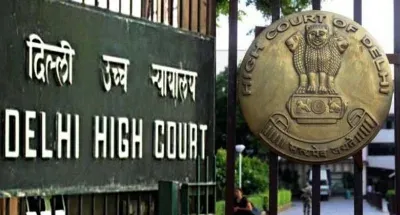
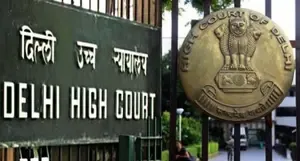
The Delhi High Court on Friday, April 24, refused to cancel the bail granted to former Congress councillor Ishrat Jahan in the high-profile case linked to the alleged larger conspiracy behind the 2020 North-East Delhi riots. A Division Bench comprising Justice Navin Chawla and Justice Ravinder Dudeja dismissed the Delhi Police appeal, noting that over four years had passed without any reported violation of bail conditions.
High Court Key Observations
The bench made its stance unambiguous, stating: We make it clear that we have not expressed any opinion on the merits of the case. This clarification signals that while the court declined to interfere with the bail, the underlying criminal trial involving serious charges continues unaffected.
The judges emphasised that the passage of more than four years since bail was granted, combined with the complete absence of any allegation of bail condition violations, weighed heavily against cancellation. Courts have consistently held that bail cancellation requires either violation of conditions or fresh evidence of tampering, neither of which was established here.
Background: Arrest, Charges, and UAPA
Ishrat Jahan was arrested in February 2020 in connection with a larger conspiracy case linked to the North-East Delhi communal riots that claimed over 53 lives and left hundreds injured. The case was registered under the stringent Unlawful Activities Prevention Act (UAPA), the Indian Penal Code, the Arms Act, and the Prevention of Damage to Public Property Act.
She was granted regular bail by a Karkardooma Sessions Court on March 14, 2022, nearly two years after her arrest. The Delhi Police challenged this order before the High Court, arguing that the trial court had overlooked critical material evidence.
Delhi Police Contentions
The police appeal argued that the riots were the result of a pre-planned, multi-layered conspiracy engineered to coincide with the visit of then US President Donald Trump to India in February 2020. The prosecution alleged that Jahan played an active role in organising protests that allegedly spiralled into large-scale communal violence.
The appeal further contended that the trial court order was contrary to settled legal principles and suffered from serious infirmities. However, the Delhi High Court found no sufficient grounds to disturb the bail, particularly given the prolonged period without any breach.
Trial Court Developments
In January 2024, a trial court framed charges against Jahan and several co-accused, including offences of rioting, unlawful assembly, and attempt to murder, observing prima facie grounds to proceed to trial. This means the substantive criminal case against her is very much alive and moving forward.
Separately, in April 2024, a local court modified Jahan bail conditions, permitting her to practise law beyond the National Capital Region (NCR). The court recorded that she had not violated any condition since her release, a fact that likely influenced the High Court decision on Friday.
Why This Ruling Matters
The 2020 Delhi riots conspiracy case is among the most politically sensitive criminal proceedings in recent Indian legal history. It involves over 18 accused including activists, students, and political workers, many of whom were charged under UAPA, a law that makes bail extremely difficult to obtain.
This ruling reinforces a critical judicial principle: bail once granted and sustained over years without violation carries a presumption of regularity that cannot be easily reversed without fresh compelling grounds. Critics of the prosecution have long argued that UAPA has been applied broadly in this case, while the police maintain the charges reflect a genuine conspiracy.
Notably, this verdict comes amid a broader national conversation about the use of anti-terror laws in riot-related cases and the rights of undertrial prisoners. With the trial now formally underway following charge framing in January 2024, the coming months will be crucial as evidence is tested in open court and the full facts of the February 2020 violence are examined before a judge.
Point of View
It implicitly questions why the state pursued cancellation at all. This case sits at the intersection of national security law, civil liberties, and political optics, and the Supreme Court evolving jurisprudence on UAPA bail suggests courts are increasingly demanding concrete evidence over sweeping conspiracy narratives. The trial will be the real test.
NationPress
4 Oct 2026
Frequently Asked Questions
Why did the Delhi High Court reject the police plea to cancel Ishrat Jahan bail?
The Delhi High Court dismissed Delhi Police appeal because more than four years had passed since Ishrat Jahan was granted bail and there were no allegations of any bail condition violations. Courts require either a breach of conditions or compelling new evidence to cancel bail, neither of which was established.
Who is Ishrat Jahan and why was she arrested in 2020?
Ishrat Jahan is a former Congress councillor who was arrested in February 2020 in connection with an alleged larger conspiracy behind the 2020 North-East Delhi riots. She was charged under UAPA, the IPC, the Arms Act, and the Prevention of Damage to Public Property Act.
What is the current status of the 2020 Delhi riots conspiracy case?
The trial is actively underway. In January 2024, a trial court framed charges against Ishrat Jahan and several co-accused including rioting, unlawful assembly, and attempt to murder. The High Court bail ruling does not affect the ongoing trial proceedings.
When was Ishrat Jahan granted bail in the Delhi riots case?
Ishrat Jahan was granted regular bail by a Karkardooma Sessions Court on March 14, 2022, nearly two years after her arrest in February 2020. Delhi Police challenged this order before the High Court, which has now upheld the bail.
What charges have been framed against Ishrat Jahan in the 2020 riots case?
A trial court framed charges against Ishrat Jahan in January 2024 including rioting, unlawful assembly, and attempt to murder among other offences. The court found prima facie grounds to proceed to trial on these charges.