Gujarat CM Patel Revises Barbed Wire Fencing Subsidy for Farmers
Synopsis
Gujarat's cabinet, chaired by CM Bhupendra Patel, has revised the Barbed Wire Fencing Scheme: subsidy raised to ₹300 per running metre, minimum cluster cut to one hectare, ₹240 crore allocated, and nearly one lakh pending applications to be cleared before the monsoon.
Key Takeaways
The cabinet raised the fencing subsidy ceiling from ₹200 to ₹300 per running metre (or 50% of actual cost, whichever is lower).
The minimum land cluster requirement has been halved from two hectares to one hectare , widening access for small farmers.
Approximately one lakh applications are pending on the i-Khedut Portal and will be processed in phases before the monsoon.
The state has allocated ₹240 crore for the scheme, with a commitment to arrange supplementary funds if needed.
The i-Khedut Portal will be opened a second time this year if demand warrants it — a first for the scheme.
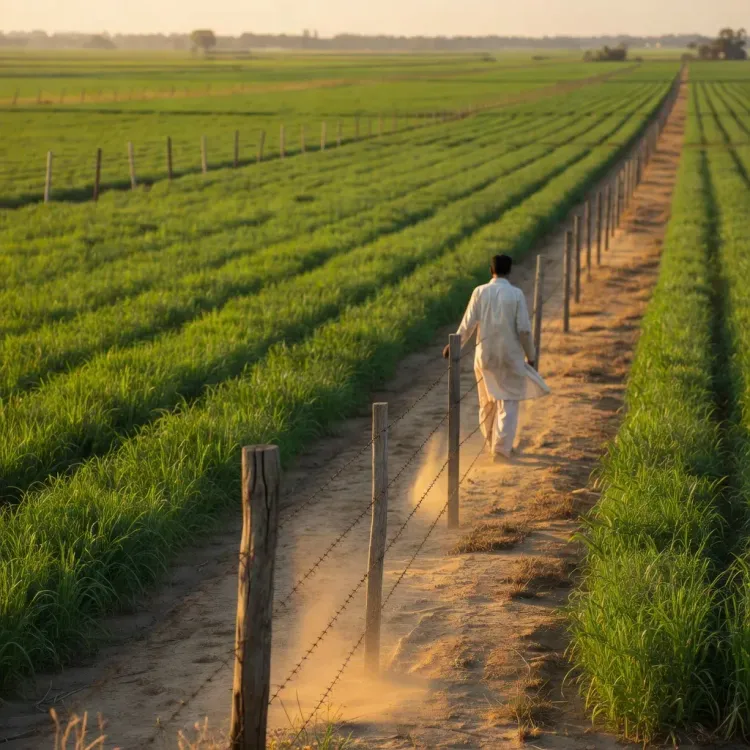
The scheme protects crops from damage by livestock and wildlife , a recurring challenge for Gujarat's farming communities.
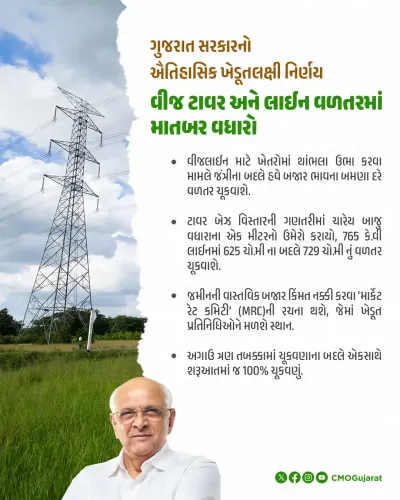
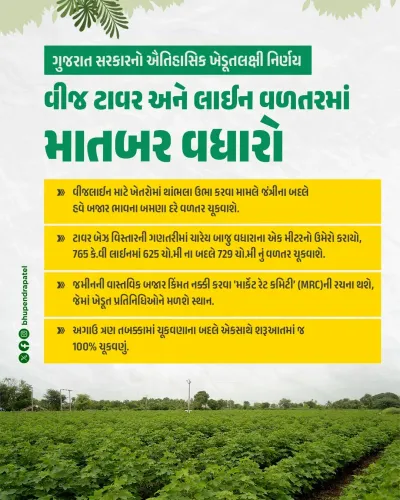
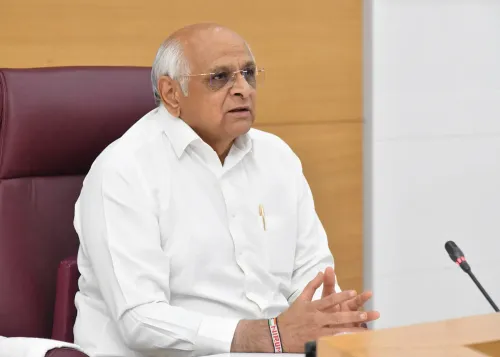
The Chief Minister's Office of Gujarat announced on Wednesday, 27 May 2026 that the state cabinet, chaired by Chief Minister Bhupendra Patel, has approved farmer-friendly amendments to the Barbed Wire Fencing Scheme (Kantali Taarni Vad ni Yojana), raising per-metre subsidy rates and lowering the minimum land cluster requirement to benefit small and marginal farmers across the state.
Context
Under the revised scheme, farmers will now receive financial assistance of ₹300 per running metre or 50% of actual cost, whichever is lower. Previously, the ceiling was ₹200 per running metre or 50% of cost — a rate the government acknowledged had become inadequate given rising market prices for materials and increased labour costs.
The cabinet also reduced the mandatory land cluster threshold from two hectares to one hectare. The earlier two-hectare requirement meant that if even one farmer in a group opted out, smaller landholders lost eligibility entirely — a structural gap the revised rules now address.
Policy Backdrop
The Barbed Wire Fencing Scheme is part of Gujarat's broader effort to protect agricultural output from damage caused by livestock and wildlife — a persistent challenge in a state where farming communities border forest and grazing zones. Applications under the scheme are processed through the i-Khedut Portal, Gujarat's centralised online platform for agricultural subsidies.
Approximately one lakh farmer applications have already been received on the portal under this scheme. The state government has earmarked ₹240 crore for phased, rule-compliant approval of these applications — with the explicit goal of completing the process before the onset of the monsoon, so farmers have fencing in place before the main cropping season begins.
Gujarat has periodically recalibrated subsidy ceilings across agricultural welfare programmes to keep pace with input-cost inflation, and the fencing scheme revision follows that pattern. Similar crop-protection fencing initiatives exist in other Indian states facing human-wildlife conflict, though eligibility and subsidy structures vary.
Stakeholders and Impact
The primary beneficiaries are small and marginal farmers who previously fell outside the two-hectare cluster norm. By halving the threshold, the government expands the scheme's reach to landholders with smaller plots, who are disproportionately vulnerable to crop losses from straying animals.
The higher per-metre subsidy directly reduces the out-of-pocket cost of fencing installation at a time when construction material and wage costs have risen. For a farmer fencing a modest plot, the increase from ₹200 to ₹300 per running metre can translate into meaningful savings on total project cost.
What's Next
The government has committed to opening the i-Khedut Portal a second time this year if demand exceeds the current application window — a departure from the previous practice of a single annual opening. Officials have also indicated that if the ₹240 crore allocation proves insufficient, supplementary funds will be arranged to ensure no eligible application goes unprocessed.
The pre-monsoon processing deadline and the possibility of a second portal window signal that the administration is treating farmer access to this scheme as a near-term operational priority. How swiftly the district-level approval machinery processes the one-lakh pending applications will determine whether the revised rules translate into on-ground impact before the kharif season begins.
Point of View
Expanding eligibility to one-hectare plots pulls in a larger share of Gujarat's small and marginal farmer base, a constituency that has grown more vocal about crop-loss grievances. Whether the district machinery can absorb one lakh applications in a compressed window will be the real test of whether the policy intent converts into field-level relief.
NationPress
19 Sept 2026
Frequently Asked Questions
What is the new subsidy rate under Gujarat's Barbed Wire Fencing Scheme?
The revised scheme provides financial assistance of ₹300 per running metre or 50% of actual fencing cost, whichever is lower — up from the earlier ceiling of ₹200 per running metre.
Who is eligible for the Gujarat Barbed Wire Fencing Scheme?
All categories of farmers in Gujarat are eligible. The minimum land cluster requirement has been reduced from two hectares to one hectare, making the scheme accessible to more small and marginal farmers.
How do farmers apply for the fencing subsidy in Gujarat?
Farmers can apply through the i-Khedut Portal, the Gujarat government's online platform for agricultural subsidies. The portal will be opened at least once — and potentially a second time — during the current year.
How much money has Gujarat allocated for the Barbed Wire Fencing Scheme?
The state government has allocated ₹240 crore for processing pending applications. Officials have stated that additional funds will be arranged if this amount proves insufficient.
Why did Gujarat revise the Barbed Wire Fencing Scheme rules?
Rising market prices for materials and increased labour costs had made the earlier ₹200 per running metre ceiling inadequate. The cluster rule was also revised because the two-hectare requirement often excluded small farmers when a single group member opted out.