Gujarat raises farm fencing subsidy to ₹300/metre, eases eligibility for small farmers
Synopsis
Gujarat has quietly doubled down on farm protection ahead of monsoon — raising the barbed wire fencing subsidy by 50% to ₹300 per metre and cutting the cluster threshold in half to one hectare. With ₹240 crore on the table and 1 lakh applications already in, the state is signalling that smallholder exclusion is no longer acceptable under the old two-hectare rule.
Key Takeaways
Gujarat Cabinet on 27 May raised the farm fencing subsidy from ₹200 to ₹300 per running metre .
Farmers receive ₹300/metre or 50% of actual expenditure, whichever is lower.
Minimum land cluster requirement halved from 2 hectares to 1 hectare , expanding access for small farmers.
Approximately 1 lakh applications already received via the i-Khedut Portal ; approvals to proceed in phases before monsoon.
State has allocated ₹240 crore , with additional funds to be arranged if needed.
The application portal, previously opened once a year, will be reopened if demand requires it.
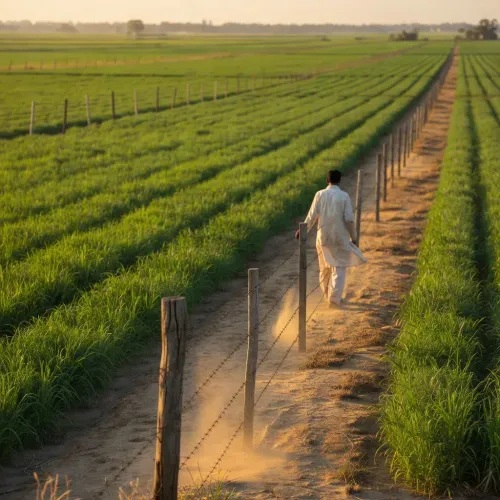
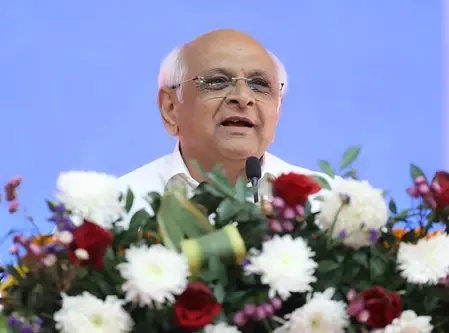
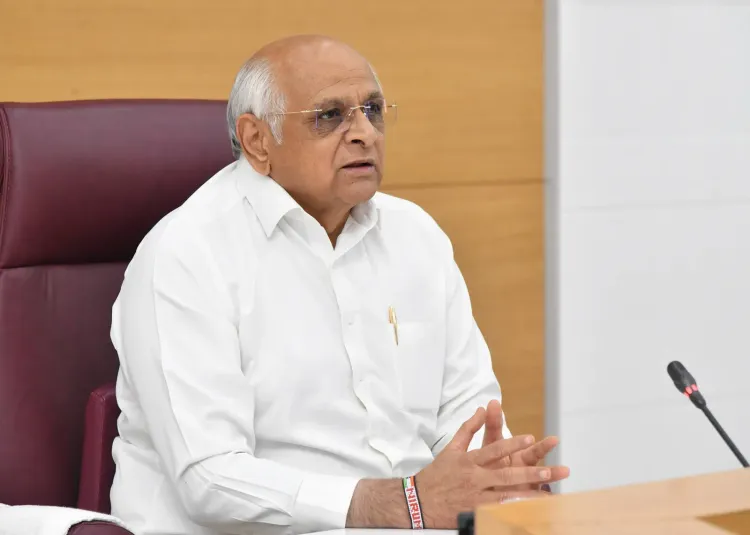
The Gujarat government has hiked financial assistance under its farm wire fencing scheme from ₹200 per running metre to ₹300 per running metre and halved the minimum land cluster requirement for eligibility, in a move designed to help more farmers — particularly smallholders — shield their crops from stray cattle and wild animals ahead of the monsoon season. The decisions were cleared at a Cabinet meeting chaired by Chief Minister Bhupendra Patel on Wednesday, 27 May in Gandhinagar.
Key Changes to the Scheme
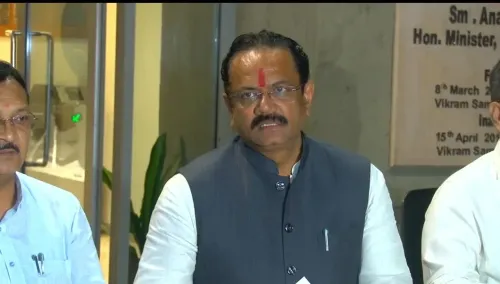
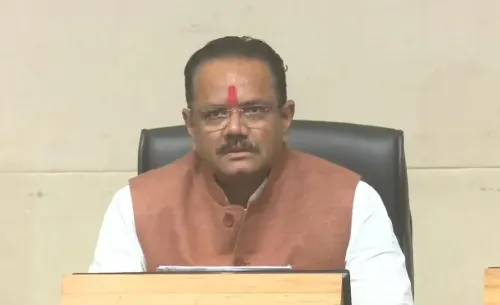
Under the revised terms, farmers will receive assistance of ₹300 per running metre or 50 per cent of actual expenditure incurred, whichever is lower. State Agriculture Minister Jitu Vaghani, who also serves as government spokesperson, attributed the upward revision to rising market prices of materials and labour costs. 'At present, due to the increase in market prices of materials and labour costs, the average expenditure has increased. Therefore, to reduce the financial burden on farmers, the government has decided to increase the assistance,' Vaghani said.
Eligibility Norms Relaxed for Small Farmers
The government has also eased the cluster requirement that previously excluded many smaller landholders. Earlier, farmers across all categories were required to form a cluster of at least two hectares to qualify for assistance. That threshold has now been reduced to one hectare. Vaghani explained that smaller farmers were frequently left out because the two-hectare cluster could not be maintained if even a single farmer in the group withdrew. 'Keeping the interests of such farmers in mind, this limit has now been reduced to just one hectare,' he said.
Funding and Application Process
The state government has earmarked ₹240 crore for the scheme this year. According to Vaghani, approximately 1 lakh applications have already been received through the i-Khedut Portal. All pending applications will be approved in phases before the monsoon, in accordance with applicable rules, so that farmers can complete fencing work before the busy cropping season begins. Notably, the application portal was previously opened only once a year; the government has now indicated it will reopen the portal if demand warrants it. Vaghani also confirmed that additional funds beyond the ₹240 crore allocation will be arranged if required.
Why This Matters for Gujarat Farmers
Crop damage caused by stray cattle and wildlife is a persistent problem across Gujarat, particularly in districts bordering forest zones. The pre-monsoon timing of the announcement is deliberate — fencing must be in place before the kharif sowing season begins, after which farmers are fully occupied with agricultural activities. This is the second revision to the barbed wire fencing scheme in recent years, reflecting sustained pressure on farm input costs. The combination of a higher subsidy rate and a lower cluster threshold could significantly widen the scheme's reach among marginal and small farmers who were structurally excluded under the old norms.
Point of View
Who could never guarantee a neighbour's participation. Halving it to one hectare removes a bureaucratic bottleneck that should never have been set so high. The real test will be whether the ₹240 crore allocation — and the promise of additional funds — translates into timely approvals before kharif sowing begins, or whether the i-Khedut Portal becomes a queue that outlasts the monsoon window.
NationPress
27 Sept 2026
Frequently Asked Questions
What is the Gujarat farm wire fencing subsidy scheme?
It is a state government scheme that provides financial assistance to farmers for erecting barbed wire fencing around agricultural land to protect crops from stray cattle and wild animals. After the latest revision, the subsidy stands at ₹300 per running metre or 50% of actual expenditure, whichever is lower.
Who is eligible for the revised fencing scheme in Gujarat?
All categories of farmers in Gujarat are eligible. The key change is that the minimum land cluster requirement has been reduced from two hectares to one hectare, making it easier for small and marginal farmers to qualify without depending on neighbours to form a larger group.
How much has Gujarat allocated for the farm fencing scheme in 2025?
The Gujarat government has allocated ₹240 crore for the scheme this year. Agriculture Minister Jitu Vaghani confirmed that additional funds will be arranged if applications exceed this outlay.
How can farmers apply for the Gujarat fencing subsidy?
Farmers can apply through the i-Khedut Portal, the state's dedicated agricultural scheme platform. Around 1 lakh applications have already been received. The portal, previously opened once a year, will be reopened if necessary to accommodate additional applicants.
Why did Gujarat increase the fencing subsidy now?
The government cited rising market prices of fencing materials and higher labour costs as the primary reasons for the hike from ₹200 to ₹300 per metre. The timing — ahead of the monsoon — is deliberate, as farmers need fencing in place before the kharif sowing season begins.