Gujarat approves ₹174 crore interest relief on cooperative crop loans for 10 lakh farmers
Synopsis
Gujarat has cleared ₹174.07 crore to subsidise crop loan interest rates for over 10 lakh farmers, capping borrowing costs at 7% — down from the 10–13% range cooperative banks previously charged. With 33% of the state's small and marginal farmers dependent on the cooperative credit network, and private banks largely absent from many gram panchayats, this is less a routine subsidy and more a structural prop for rural credit delivery.
Key Takeaways
The Gujarat government approved ₹174.07 crore in interest assistance to cooperative banks on 27 October 2025 .
The relief provides a 2 per cent interest subsidy on short-term crop loans disbursed between 1 April and 30 September 2025 , capping farmer borrowing rates at 7 per cent .
More than 10 lakh farmers across Gujarat are expected to benefit from the scheme.
Gujarat's cooperative credit network spans 1 state bank , 18 district central cooperative banks , and over 10,900 PACS .
Approximately 33 per cent of the state's small and marginal farmers are affiliated with the cooperative credit system.
The interest relief scheme has been in operation since 2009-10 , addressing cooperative banks' structurally higher cost of funds.
The Gujarat government has approved ₹174.07 crore in interest assistance to cooperative banks, providing a 2 per cent interest relief on short-term agricultural loans disbursed to farmers from the banks' own funds between 1 April and 30 September 2025. The move is expected to benefit more than 10 lakh farmers across the state by capping their crop loan interest rate at a concessional 7 per cent.
What the Scheme Covers
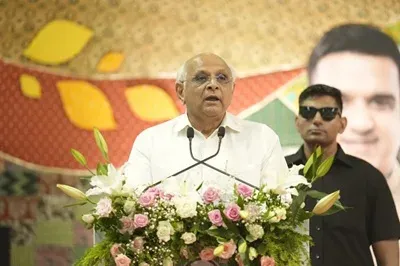
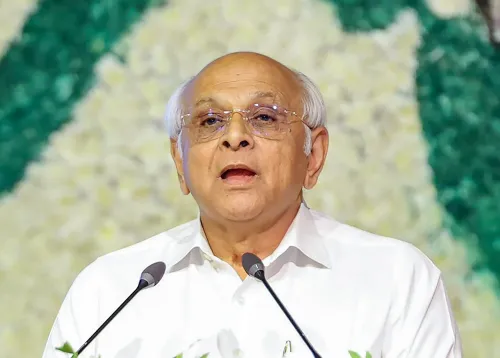
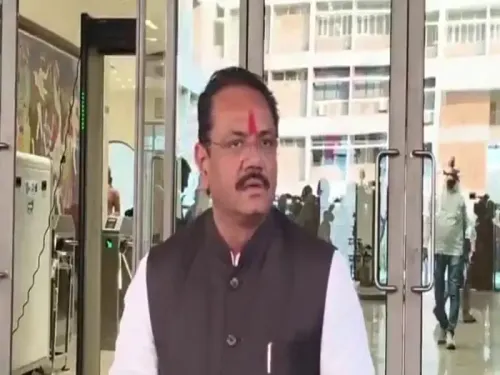
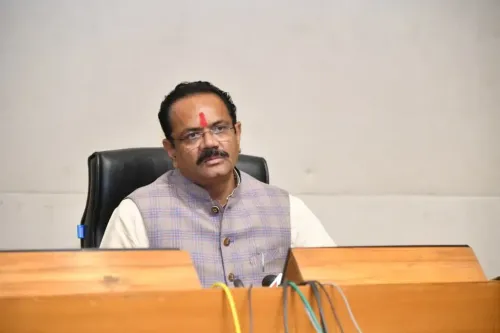
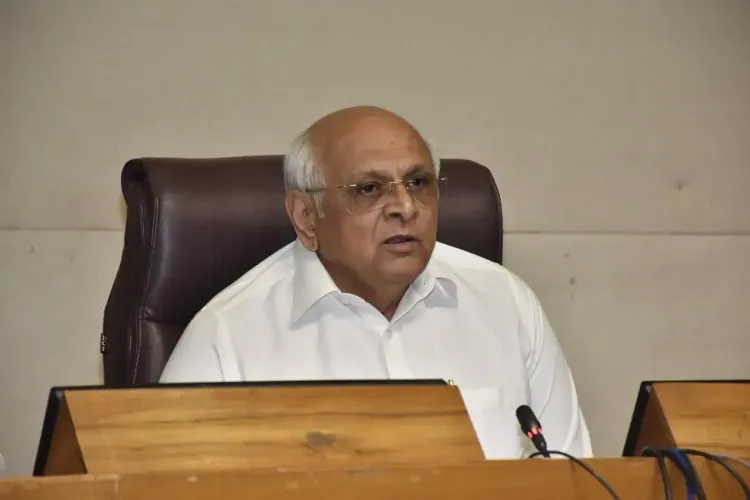
Agriculture Minister Jitu Vaghani said the decision was taken under Chief Minister Bhupendra Patel's leadership with the twin goal of reducing the interest burden on farmers and strengthening Gujarat's cooperative agricultural credit structure. The assistance covers loans disbursed exclusively from cooperative banks' own funds during the six-month period.
Prior to the scheme's introduction in 2009-10, most cooperative banks charged farmers interest rates ranging from 10 per cent to 13 per cent. The 2 per cent state subsidy bridges the gap between what cooperative banks pay to raise funds and the concessional rate passed on to borrowers, ensuring that the higher cost of funds does not fall on farmers.
Gujarat's Cooperative Credit Network
The state operates a three-tier cooperative agricultural credit network comprising one state cooperative bank, 18 district central cooperative banks, and more than 10,900 Primary Agricultural Credit Societies (PACS). Together, this network serves as a financial lifeline for farmers in rural pockets where nationalised and private banks have limited or no presence — in several gram panchayats, cooperative institutions remain the sole source of agricultural credit.
According to Minister Vaghani, approximately 33 per cent of the state's small and marginal farmers are linked to this cooperative credit system, making them the primary beneficiaries of the latest relief measure.
Why Cooperative Banks Need the Support
Cooperative banks typically face a higher cost of funds compared with scheduled commercial banks, which structurally limits their ability to offer competitive lending rates without state support. The interest assistance compensates for this differential, helping preserve the viability of the cooperative lending model while keeping credit affordable for farmers. This is a continuation of a policy approach Gujarat has maintained since 2009-10, reflecting the government's long-standing view that cooperative credit is indispensable to the state's agrarian economy.
Broader Impact on Farmers
The government reiterated its commitment to ensuring that farmers receive agricultural loans conveniently, on time, and at affordable interest rates through cooperative banks. The relief is particularly significant for small and marginal farmers, who constitute the majority of cooperative credit users and are least equipped to absorb higher borrowing costs. With the Kharif crop cycle requiring timely credit access, the ₹174.07 crore outlay is positioned as both a direct financial relief measure and a structural investment in rural credit delivery.
The government is expected to continue the scheme in subsequent periods, given the cooperative sector's enduring role in reaching the last mile of Gujarat's agricultural economy.
Point of View
Which makes its consistent renewal politically telling. The state has maintained this scheme for over 15 years because the cooperative credit architecture — spanning more than 10,900 PACS — is effectively the only formal credit channel in large swathes of rural Gujarat. The deeper question is structural: why does the cooperative banking sector's cost of funds remain persistently higher than commercial banks, and whether interest subsidies are a long-term fix or a stopgap that defers necessary reform of the cooperative lending model. With 33 per cent of small and marginal farmers dependent on this network, any disruption carries real political and economic risk — which may explain why successive Gujarat governments have found it easier to subsidise the status quo than restructure it.
NationPress
28 Oct 2026
Frequently Asked Questions
What is the ₹174 crore interest relief approved by the Gujarat government?
The Gujarat government approved ₹174.07 crore in interest assistance to cooperative banks to provide a 2 per cent subsidy on short-term crop loans disbursed between 1 April and 30 September 2025. This caps the effective interest rate for farmers at 7 per cent, down from the 10–13 per cent previously charged by cooperative banks.
How many farmers will benefit from this scheme?
More than 10 lakh farmers across Gujarat are expected to benefit from the interest relief. Approximately 33 per cent of these are small and marginal farmers who depend on the cooperative credit network as their primary source of agricultural finance.
Why does the Gujarat government subsidise cooperative bank loan rates?
Cooperative banks face a structurally higher cost of funds than scheduled commercial banks, which prevents them from offering competitive rates without state support. The government introduced the 2 per cent interest relief scheme in 2009-10 to bridge this gap and prevent the additional cost from being passed on to farmers.
What is Gujarat's cooperative agricultural credit network?
Gujarat's cooperative credit network operates on three tiers: one state cooperative bank, 18 district central cooperative banks, and more than 10,900 Primary Agricultural Credit Societies (PACS). It is often the sole source of formal credit for farmers in gram panchayats where nationalised and private banks have little or no presence.
Who announced the decision and under whose leadership was it taken?
Agriculture Minister Jitu Vaghani announced the decision, stating it was taken under Chief Minister Bhupendra Patel's leadership. Vaghani said the move was aimed at reducing the interest burden on farmers while strengthening the cooperative agricultural credit system.