Gujarat registers 26 FIRs, suspends 246 licences in farm input quality drive

Synopsis
Gujarat has deployed 276 teams to inspect 6,380 farm-input dealers, resulting in 26 FIRs and 246 licence suspensions — figures Agriculture Minister Jitu Vaghani placed before a national Rabi conference in New Delhi. With a ₹17,000 crore agriculture budget and a micro-irrigation push covering 25.91 lakh hectares, the state is also demanding tougher national adulteration laws before the Rabi sowing season begins.
Key Takeaways
276 inspection teams covered 6,380 dealers , registering 26 FIRs and suspending 246 licences over farm input quality violations in Gujarat .
A separate enforcement cycle saw 94 teams inspect 3,760 locations , resulting in 15 FIRs and 136 licence cancellations or suspensions.
Gujarat's agriculture budget has been raised to more than ₹17,000 crore for 2026–27 .
The Gujarat Green Revolution Company has brought 25.91 lakh hectares under micro-irrigation; ₹1,250 crore allocated to add 2 lakh hectares more. 'Kisan Suvidha Rath' mobile units will serve tribal farmers across 53 talukas in 14 districts .
Minister Vaghani urged the Centre to enact stricter anti-adulteration laws and finalise the nano-fertiliser testing protocol.
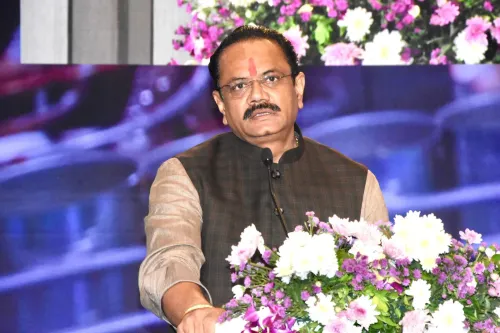
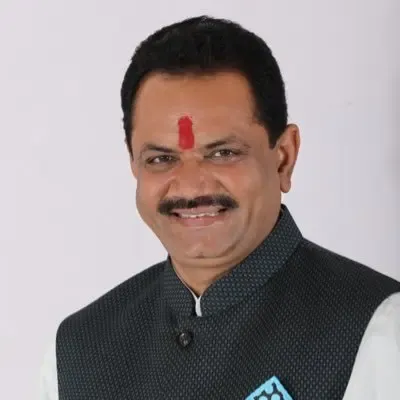
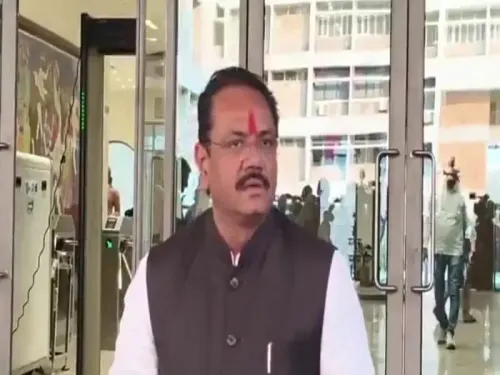
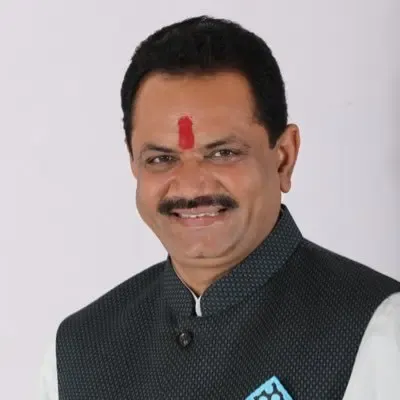
Gujarat Agriculture Minister Jitu Vaghani on 29 September 2026 disclosed that the state has intensified enforcement against substandard seeds, fertilisers, and pesticides, with 276 inspection teams covering 6,380 dealers, registering 26 FIRs, and suspending 246 licences. The figures were presented at the National Agriculture Conference – Rabi Campaign 2026 held in New Delhi, organised by the Union Ministry of Agriculture and Farmers Welfare on 28–29 September 2026.
Scale of Enforcement
Vaghani broke the data into two distinct enforcement phases. In the most recent cycle, 94 teams conducted inspections across 3,760 locations, resulting in 136 licences being cancelled or suspended and 15 FIRs being registered. These figures stack on top of the cumulative totals from the broader campaign, underlining what the minister described as a sustained, year-round commitment rather than a pre-season exercise.
The inspections targeted the quality of three critical farm inputs — seeds, fertilisers, and pesticides — violations involving which can directly affect crop yields and farmer incomes. This is the kind of ground-level accountability that agricultural enforcement agencies have historically struggled to maintain at scale.
Rabi Readiness and Budget Allocation
Beyond enforcement, Vaghani said Gujarat has ensured adequate seed stocks ahead of the Rabi 2026–27 sowing season. The state has also raised its agriculture budget to more than ₹17,000 crore for 2026–27, signalling a significant push on farm-sector spending. The two-day national conference brought together state agriculture ministers, senior officials from the Centre and states, and scientists from the Indian Council of Agricultural Research (ICAR) to coordinate Rabi preparedness across the country.
Micro-Irrigation Push in Gujarat
On water-use efficiency, the minister said the Gujarat Green Revolution Company has brought 25.91 lakh hectares under micro-irrigation. A provision of ₹1,250 crore has been made for the current year to extend coverage to an additional 2 lakh hectares. Micro-irrigation remains central to Gujarat's strategy for managing water stress in rain-shadow districts and improving input efficiency for smallholder farmers.
Outreach to Tribal Farmers
In a targeted welfare measure, the state plans to deploy 'Kisan Suvidha Rath' — a mobile agriculture services unit operated through EMRI-GVK — across 53 talukas in 14 districts of tribal areas. The initiative is designed to deliver agriculture-related services and guidance directly to farmers in remote locations, addressing the last-mile access gap that has long hampered extension services in Gujarat's Adivasi belt.
Gujarat's Demands from the Centre
Vaghani used the national platform to press the Union government on two specific asks: the introduction of stricter laws to replace older legislation on adulteration of farm inputs, and the earliest possible release of a final testing protocol for nano-fertiliser samples. The minister argued that outdated statutes limit the deterrent effect of enforcement and that the nano-fertiliser protocol gap creates regulatory uncertainty for both manufacturers and farmers. The broader conference agenda also covered digital agriculture initiatives including the Farmer Registry, Digital Crop Survey, AgriStack, natural farming, and crop diversification.
With Gujarat's enforcement data now on the national record, all eyes will be on whether the Centre responds to the state's legislative and regulatory asks before the Rabi sowing window closes.
Point of View
6,380 inspections, 26 FIRs — are striking for a single state campaign, yet the real question is deterrence: licence suspensions mean little if reinstatement is routine. Vaghani's push for tougher national adulteration laws is overdue; the existing statute has been criticised for years as too weak to break the fake-input supply chain. The nano-fertiliser protocol gap is a regulatory blind spot that the Centre has left unresolved even as commercial rollout accelerates. If Gujarat's data motivates a national enforcement push ahead of Rabi, that would be the lasting value of this conference — otherwise it risks being an annual data-sharing exercise that changes little on the ground.
NationPress
30 Sept 2026
Frequently Asked Questions
What action has Gujarat taken against farm input violations?
Gujarat deployed 276 inspection teams to cover 6,380 dealers, registering 26 FIRs and suspending 246 licences for violations involving the quality of seeds, fertilisers, and pesticides. A separate enforcement cycle with 94 teams added 15 FIRs and 136 licence cancellations or suspensions.
What is the National Agriculture Conference – Rabi Campaign 2026?
It is a two-day conference organised by the Union Ministry of Agriculture and Farmers Welfare in New Delhi on 28–29 September 2026. The event brings together state agriculture ministers, central officials, and ICAR scientists to coordinate Rabi season preparedness, covering seeds, fertilisers, digital agriculture, and crop diversification.
How much has Gujarat allocated to its agriculture sector for 2026–27?
Gujarat has raised its agriculture budget to more than ₹17,000 crore for 2026–27. The allocation supports seed availability, micro-irrigation expansion, tribal farmer outreach, and enforcement activities.
What is the 'Kisan Suvidha Rath' initiative?
It is a mobile agriculture services unit that Gujarat plans to operate through EMRI-GVK across 53 talukas in 14 tribal districts. The initiative aims to deliver agricultural guidance and services directly to farmers in remote areas, addressing last-mile access gaps.
What did Gujarat's agriculture minister demand from the Centre?
Minister Jitu Vaghani urged the Union government to introduce stricter anti-adulteration laws to replace older legislation and to release the final testing protocol for nano-fertiliser samples at the earliest. He argued that outdated statutes weaken enforcement deterrence and that the regulatory gap on nano-fertilisers creates uncertainty for farmers and manufacturers.