Gujarat cracks down on agri dealers: jail, fines for substandard inputs

Synopsis
Gujarat has moved beyond routine licence cancellations — dealers selling substandard seeds, fertilisers or pesticides now face criminal complaints and imprisonment under the PBM Act. With 54 licences already suspended and 276 inspection teams deployed in 2025, the state is signalling that agri-input fraud will be treated as a law-and-order issue, not just a regulatory one.
Key Takeaways
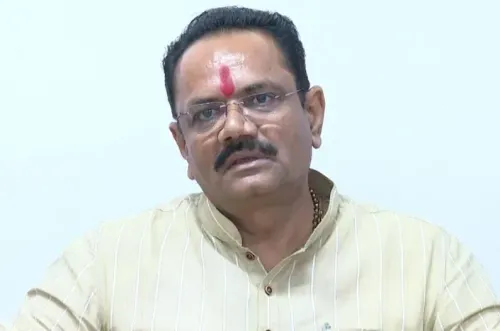
Gujarat Agriculture Minister Jitu Vaghani declared a 'zero tolerance' policy against substandard agri inputs on 10 June .
85 vigilance teams inspected 3,526 dealers and manufacturers in the first three months of 2025; 1,060 samples collected for quality testing.
54 licences suspended this year — 42 fertiliser , 6 seed , 6 pesticide ; notices issued to 752 dealers .
In full-year 2025 , 276 teams inspected 6,380 units ; 246 licences cancelled and police complaints filed against 26 individuals .
Action invoked under the Essential Commodities Act, 1955 and the PBM Act, 1980 , both of which carry imprisonment and fines.
Monitoring of subsidised fertiliser diversion intensified at 4,674 dealerships statewide.
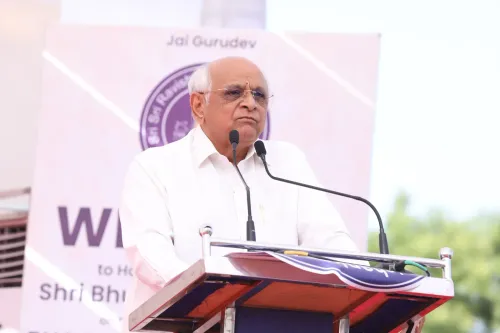
The Gujarat government on Wednesday, 10 June issued a stern warning to fertiliser, seed and pesticide dealers across the state, threatening imprisonment and financial penalties under multiple laws if they are found selling substandard agricultural inputs, hoarding essential commodities, or otherwise acting against farmers' interests. The crackdown was announced by State Agriculture Minister Jitu Vaghani from Gandhinagar, signalling a sharpened enforcement posture ahead of the kharif sowing season.
Zero Tolerance Policy Declared
Vaghani said the state had adopted a 'zero tolerance' approach against illegal, banned or low-quality agricultural products. 'The Agriculture Department has been directed to take strict legal action against such elements by using all available provisions of law,' he said. Enforcement will go beyond licence cancellations — direct police complaints will be filed depending on the gravity of the offence.
Action is being initiated under the Essential Commodities Act, 1955 and the Prevention of Black Marketing and Maintenance of Supplies of Essential Commodities (PBM) Act, 1980, both of which provide for imprisonment and fines. The minister noted that the government, under Chief Minister Bhupendra Patel, is committed to ensuring farmers receive quality inputs in adequate quantities.
Scale of Inspections in 2025
The warning is backed by an active statewide inspection drive. According to official figures, 85 vigilance teams conducted inspections of 3,526 manufacturers and dealers of seeds, fertilisers and pesticides during the first three months of the current year. The teams also inspected 74 units using technical-grade urea and collected 1,060 samples for quality testing.
Authorities have issued notices to 752 dealers where irregularities were detected. A total of 54 licences have been suspended with immediate effect this year — comprising 42 fertiliser licences, six seed licences and six pesticide licences. Police complaints have been lodged against two individuals for serious violations, one each related to fertilisers and pesticides.
Subsidised Fertiliser Diversion in Focus
The Agriculture Department has also intensified monitoring of subsidised fertilisers to prevent diversion and black marketing. Officials are regularly verifying point-of-sale machines, stock positions, records and invoices at dealerships selling government-subsidised products. Inspections have been conducted at 4,674 fertiliser dealerships and manufacturing units across Gujarat so far this year.
Detailed investigations have been initiated into 22 units found using technical-grade urea, which is subsidised for agricultural use but sometimes diverted for industrial purposes — a practice that inflates costs for genuine farmers.
Full-Year 2025 Enforcement Record
Zooming out to the full calendar year 2025, the scale of enforcement is significant. A total of 276 Agriculture Department teams inspected 6,380 manufacturers, dealers and suspected units across Gujarat. The exercise resulted in the suspension or cancellation of 246 licences linked to fertilisers, pesticides and seeds. Police filed complaints against 26 individuals accused of violating relevant laws.
This is not a one-off drive — the data suggests a systematic, year-round enforcement mechanism that has been significantly scaled up. Vaghani assured farmers that strict action would continue going forward, stating: 'The government is working day and night to ensure that farmers do not suffer any financial loss and receive the best quality agricultural products.'
What Happens Next
With kharif sowing underway across Gujarat, the timing of the crackdown is deliberate. Demand for seeds, fertilisers and pesticides peaks during this window, historically creating conditions for adulteration and hoarding. Continued vigilance team deployments and the threat of criminal prosecution — rather than administrative penalties alone — are expected to serve as a stronger deterrent. Whether the enforcement momentum is sustained beyond the sowing season will be the real test of the state's stated 'zero tolerance' commitment.
Point of View
Because licence cancellations have historically had limited deterrent effect in agri-input markets where margins on adulteration are high. The real question is whether the 276-team inspection apparatus is adequately staffed and independent, or whether it functions as a periodic show of force around sowing seasons. With subsidised urea diversion specifically called out, the state is also tackling a structural problem that the Centre's own DBT reforms have only partially addressed. Sustained enforcement data — published quarterly — would give this 'zero tolerance' declaration genuine credibility.
NationPress
22 Sept 2026
Frequently Asked Questions
What action is the Gujarat government taking against fertiliser and pesticide dealers?
The Gujarat government has warned dealers selling substandard, banned or hoarded agricultural inputs of criminal prosecution under the Essential Commodities Act, 1955 and the PBM Act, 1980, which carry imprisonment and fines. Enforcement includes licence suspensions, notices and direct police complaints for serious violations.
How many licences have been suspended in Gujarat's agri-input crackdown?
A total of 54 licences have been suspended with immediate effect in 2025, comprising 42 fertiliser licences, six seed licences and six pesticide licences. In the full calendar year 2025, 246 licences linked to fertilisers, pesticides and seeds were suspended or cancelled.
Which laws are being used in the Gujarat agriculture crackdown?
Authorities are invoking the Essential Commodities Act, 1955 and the Prevention of Black Marketing and Maintenance of Supplies of Essential Commodities (PBM) Act, 1980. Both laws provide for imprisonment and financial penalties against offenders.
What is the scale of inspections conducted by Gujarat's Agriculture Department?
In the first three months of 2025, 85 vigilance teams inspected 3,526 manufacturers and dealers and collected 1,060 samples for quality testing. Across the full year 2025, 276 teams inspected 6,380 units statewide, and inspections have been conducted at 4,674 fertiliser dealerships.
Why is the Gujarat government focusing on subsidised fertiliser diversion?
Technical-grade urea, which is subsidised for agricultural use, is sometimes diverted for industrial purposes, inflating costs for genuine farmers and depriving them of intended support. The Agriculture Department is verifying point-of-sale machines, stock records and invoices at dealerships to prevent such diversion and black marketing.