Gujarat CM Bhupendra Patel launches Census 2027 digital self-enumeration
Synopsis
India's first digital self-census is now live — and Gujarat is leading the way. Chief Minister Bhupendra Patel personally completed his family's enumeration online on 17 May, kicking off a 15-day window before over one lakh field workers begin door-to-door house listing in June. After a decade-long gap since 2011, Census 2027 is testing whether a billion-plus nation can count itself from a smartphone.
Key Takeaways
Gujarat CM Bhupendra Patel launched Census 2027 digital self-enumeration on 17 May 2025 in Gandhinagar .
Residents can submit household details online via the census portal or mobile app until 31 May 2025 .
This is the first fully digital census in India's history, dating back to 1872.
House Listing Operations (HLO) will follow from 1 June to 30 June , with more than one lakh census workers deployed across Gujarat.
Census 2027 is India's first population count since 2011 , delayed over a decade by the COVID-19 pandemic.
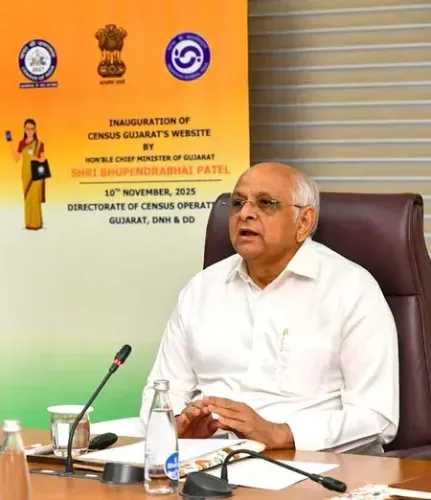
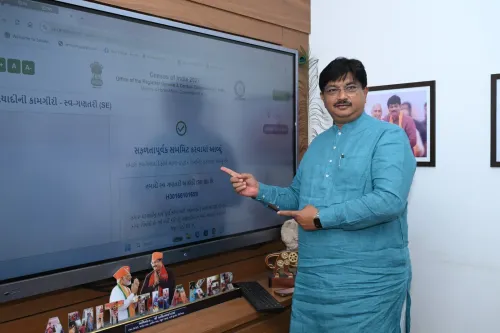
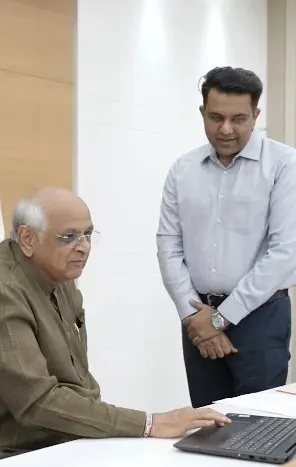
Gujarat Chief Minister Bhupendra Patel on Sunday, 17 May formally launched India's first digital self-enumeration exercise for Census 2027 in Gandhinagar, completing his own family's details on the official online platform and calling on all residents to participate before the 31 May deadline. The move marks a historic shift in how India counts its population, replacing traditional door-to-door enumeration with a citizen-led digital process.
How the Self-Enumeration Process Works
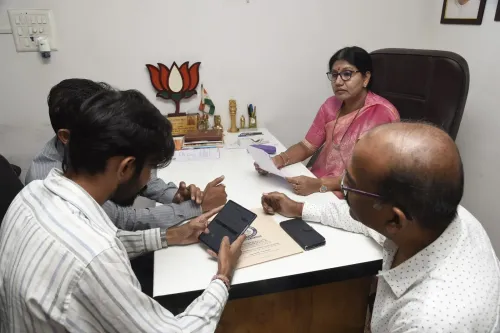
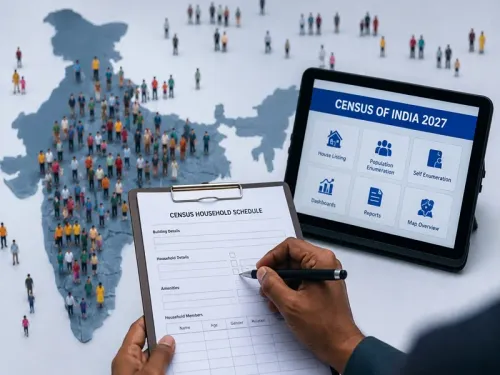
The self-enumeration window is open across Gujarat from 17 May to 31 May 2025, giving residents a 15-day period to submit household details independently through the official census web portal or a mobile-based platform. Officials described the system as 'simple, secure and convenient,' allowing citizens to upload information from any location without waiting for a census worker to visit.
Guidance materials and step-by-step instructions are available directly on the portal to assist first-time users. Authorities have urged residents to complete the process accurately and within the stipulated window.
What the Chief Minister Said
After submitting his family's details on the platform, Patel appealed to citizens to 'actively participate in this nationally important exercise and contribute towards building a strong, inclusive and developed India.' His public participation was intended to signal the government's commitment to the initiative and encourage wider uptake.
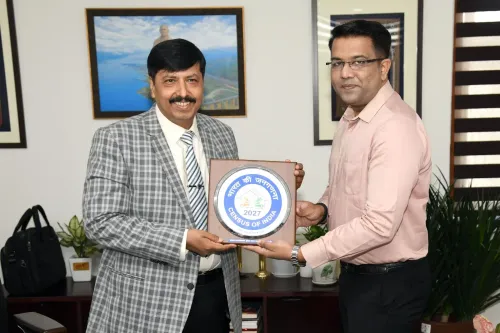
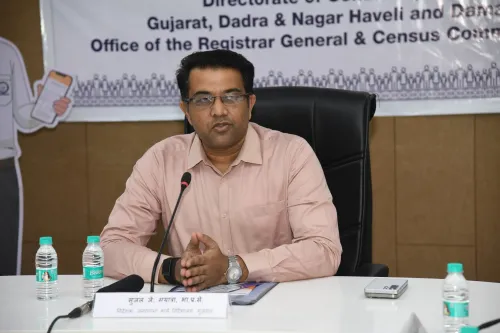
State Census Operations Director Sujal Mayatra briefed the chief minister on preparations underway and presented him a memento at the launch event in Gandhinagar.
What Comes After Self-Enumeration
Once the self-enumeration phase concludes on 31 May, the next stage — House Listing Operations (HLO) — will begin across Gujarat from 1 June to 30 June. More than one lakh census workers will be deployed statewide to conduct field-level verification and cover households that did not complete the online process.
This two-phase structure — digital self-submission followed by physical verification — is being introduced for the first time in India's census history, which dates back to 1872.
Significance of Census 2027
Census 2027 is the first population count since 2011, with the exercise delayed by more than a decade due to the COVID-19 pandemic and subsequent administrative postponements. The shift to a fully digital mode is seen as a test case for modernising large-scale government data collection in a country of over 1.4 billion people. Accurate census data underpins the allocation of parliamentary constituencies, welfare scheme targeting, and infrastructure planning at every level of government.
With Gujarat serving as an early-launch state, the model could inform how the digital self-enumeration framework is rolled out nationally in the weeks ahead.
Point of View
But the harder test is uptake — particularly among rural, elderly, and low-literacy populations who may struggle with an online-only first step. Gujarat's relatively high smartphone penetration makes it a favourable pilot, yet it is not representative of the national challenge ahead. The real measure of success will be how many households the one lakh field workers still need to cover in June, and whether that number reveals a digital divide the government has underestimated. A decade-long census gap has already distorted welfare allocation and delimitation planning; an inaccurate digital count would compound that damage.
NationPress
1 Oct 2026
Frequently Asked Questions
What is the Census 2027 self-enumeration process launched in Gujarat?
It is India's first digital self-enumeration exercise, launched on 17 May 2025, allowing Gujarat residents to submit their household details independently through an official online portal or mobile app without waiting for a census worker. The window is open until 31 May 2025.
How can Gujarat residents complete the Census 2027 self-enumeration?
Residents can visit the official census web portal or use the mobile-based platform to fill in their household details. Step-by-step guidance is available on the portal itself, and the process can be completed from any location within the 15-day window ending 31 May.
What happens after the self-enumeration phase ends on 31 May?
House Listing Operations (HLO) will begin across Gujarat from 1 June to 30 June, with more than one lakh census workers conducting field-level verification and covering households that did not complete the online process.
Why is Census 2027 significant for India?
Census 2027 is India's first population count since 2011, delayed over a decade primarily due to the COVID-19 pandemic. Census data directly determines parliamentary constituency delimitation, welfare scheme targeting, and infrastructure planning, making accuracy critical at every level of government.
Who launched the Census 2027 self-enumeration in Gujarat?
Gujarat Chief Minister Bhupendra Patel formally launched the exercise on 17 May 2025 in Gandhinagar by completing his own family's details on the official platform. State Census Operations Director Sujal Mayatra briefed him on preparations at the launch event.