Census 2027 self-enumeration begins in Gujarat; CM, ministers lead digital drive
Synopsis
India's long-delayed census is finally moving — and Gujarat is leading the digital charge. With the self-enumeration window open from May 17 to 31, Chief Minister Bhupendra Patel and a string of MLAs and ministers have registered online, signalling official intent to drive mass participation before door-to-door enumeration begins in June.
Key Takeaways
Gujarat's Census 2027 self-enumeration window runs from 17 May to 31 May , followed by field operations from 1 to 30 June .
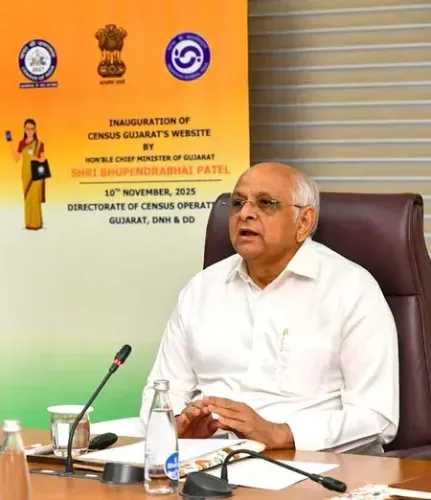
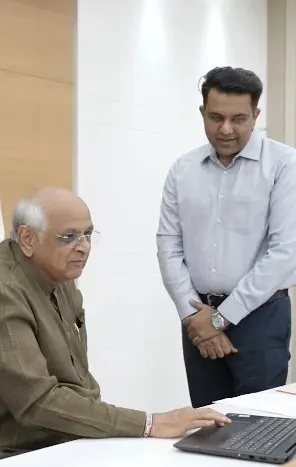
Chief Minister Bhupendra Patel completed his family's self-enumeration from Gandhinagar on Sunday, formally initiating the state's participation.
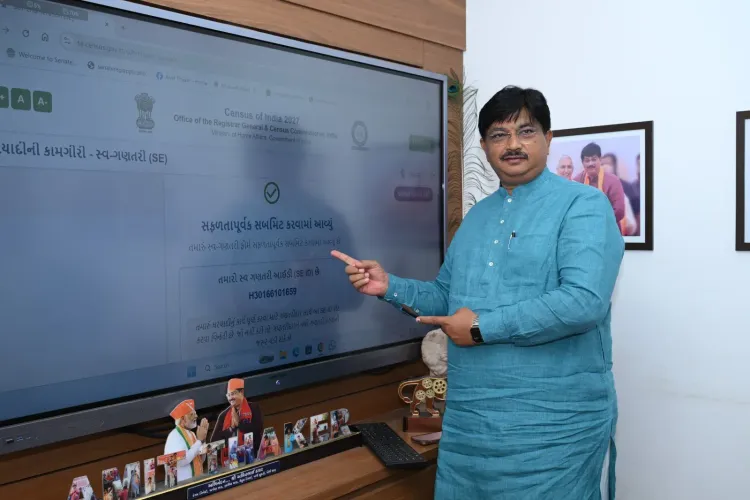
The system generates a unique Self-Enumeration ID (SE ID) that residents must present during subsequent household visits.
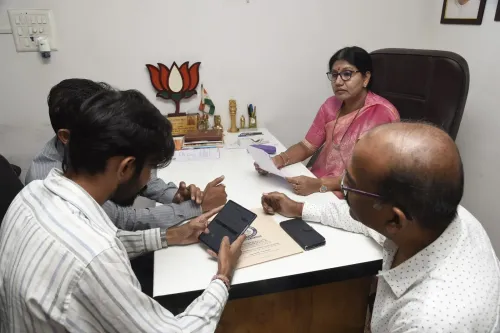
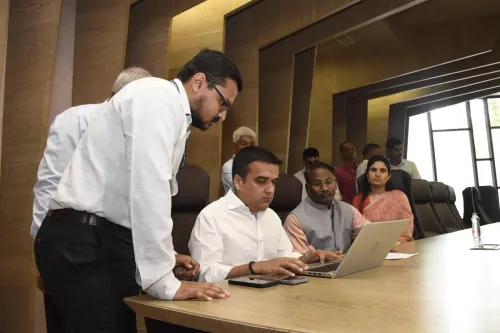
Ministers, MLAs including Amul Bhatt , Kanchan Radadiya , and Amit Thakar , and former ministers Gordhan Zadafia and Dilip Parmar completed the process in Ahmedabad .
The Census 2027 exercise is split into two national phases — housing and household data first, population enumeration in 2027 .
India's last census was conducted in 2011 , making this count more than a decade overdue.
Gujarat has launched the digital self-enumeration phase of Census 2027, marking the first stage of India's next population count through an online citizen participation model. The window opened on 17 May and runs through 31 May, with field-level verification and door-to-door enumeration scheduled for June 1 to 30.
How the Process Works
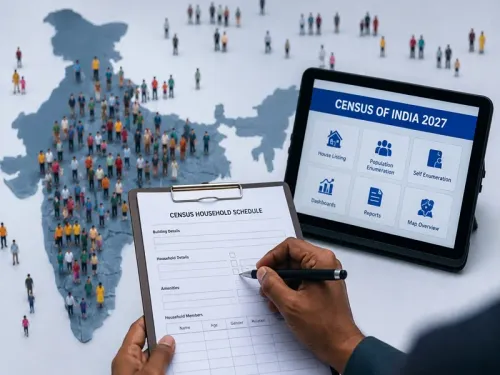
The Centre has introduced a Self-Enumeration (SE) facility as part of the Census 2027 framework, enabling households to submit demographic and housing details through the official census portal ahead of physical enumeration. The system generates a unique Self-Enumeration ID (SE ID), which residents must present to enumerators during subsequent household visits for confirmation and final submission.
The portal offers multilingual and mobile-compatible access, allowing residents across Gujarat to participate without visiting a government office. Census authorities have said the initiative is designed to improve data accuracy and reduce the workload on field enumerators by allowing citizens to enter verified information in advance.
Chief Minister and Officials Lead by Example
Chief Minister Bhupendra Patel formally initiated Gujarat's participation on Sunday by completing his family's self-enumeration from Gandhinagar. According to officials, Patel described the exercise as part of strengthening digital governance and improving efficiency in large-scale public data collection systems.
In Ahmedabad, the City Census Department under the Ahmedabad Municipal Corporation coordinated participation among elected representatives and public officials to encourage wider adoption of the digital process.
Elected Representatives Who Participated
Among those who submitted their details through the portal were Minister of State for Urban Development Darshana Vaghela and several MLAs — Amul Bhatt (Maninagar), Kanchan Radadiya (Thakkarbapanagar), Amit Thakar (Vejalpur), Amit Shah (Ellisbridge), Dr Payal Kukani (Naroda), Dr Hasmukh Patel (Amraiwadi), Bhikhu Patel (Naranpura), and Dr Harshad Patel (Sabarmati).
Former ministers Gordhan Zadafia and Dilip Parmar, along with several ward councillors, also completed their self-enumeration as part of the initial rollout.
National Timeline and What Comes Next
The Census 2027 exercise is structured in two phases nationwide. The first phase covers housing and household data collection, currently underway through self-enumeration and the June field operations. The second phase — actual population enumeration — is scheduled for 2027.
With the self-enumeration window in Gujarat closing on 31 May, residents who have not yet registered online will still be covered during the June door-to-door phase, though authorities are encouraging digital participation to streamline the process. India's census, last conducted in 2011, has been delayed by over a decade — making the 2027 count one of the most anticipated administrative exercises in recent memory.
Point of View
First by the pandemic and then by successive postponements, leaving policymakers without fresh population data for welfare targeting, delimitation, and resource allocation. The digital self-enumeration model is a structural upgrade, but its real test is rural and semi-urban uptake, where internet access and digital literacy remain uneven. Ahmedabad's coordinated push among elected representatives is a useful nudge, but replication at the district and panchayat level will determine whether the SE facility meaningfully reduces field burden — or remains a headline exercise.
NationPress
2 Oct 2026
Frequently Asked Questions
What is the Census 2027 self-enumeration process in Gujarat?
It is an online facility introduced by the Centre as part of Census 2027, allowing households to submit their demographic and housing details through the official census portal before door-to-door enumeration begins. In Gujarat, the self-enumeration window is open from 17 May to 31 May 2025, followed by field operations in June.
What is a Self-Enumeration ID and why does it matter?
A Self-Enumeration ID (SE ID) is a unique reference number generated after a household completes the online self-enumeration form. Residents must present this ID to enumerators during the June door-to-door verification phase for confirmation and final data submission.
Who participated in Gujarat's Census 2027 self-enumeration launch?
Chief Minister Bhupendra Patel completed his family's self-enumeration from Gandhinagar on Sunday. In Ahmedabad, several MLAs, Minister of State Darshana Vaghela, and former ministers Gordhan Zadafia and Dilip Parmar also registered through the portal as part of the initial rollout.
When will the door-to-door census enumeration happen in Gujarat?
House Listing and Housing Census field operations are scheduled from 1 to 30 June, during which enumerators will visit households across Gujarat. Residents who completed self-enumeration will need to provide their SE ID during these visits.
Why is Census 2027 significant for India?
India's last census was conducted in 2011, making the upcoming count more than a decade overdue. The fresh data is critical for welfare programme targeting, parliamentary delimitation, and national resource planning, all of which have been operating on outdated population figures.