Census 2027: Gujarat Dy CM Harsh Sanghavi completes self-enumeration, urges state to join
Synopsis
India's first-ever digital census self-enumeration is under way — and Gujarat's top leadership is leading by example. With the last count dating to 2011 and 16 years of data gap shaping welfare delivery, Census 2027 carries unusual weight. Deputy CM Harsh Sanghavi's OTP fraud warning adds a layer of public-safety urgency rarely seen in census campaigns.
Key Takeaways
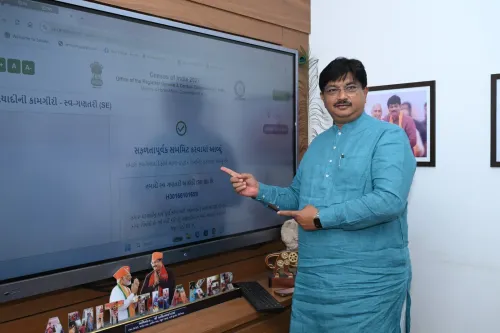
Gujarat Deputy Chief Minister Harsh Sanghavi completed his family's online self-enumeration for Census 2027 on 18 May from Surat .
The digital self-enumeration window runs from 15 May to 31 May 2025 ; door-to-door house listing follows from 1 June to 30 June .
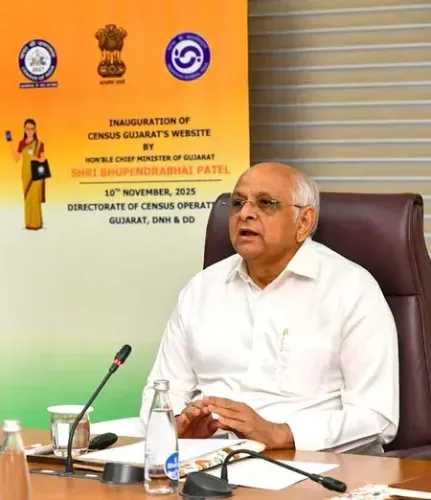
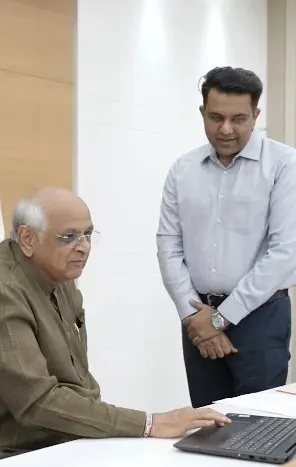
Chief Minister Bhupendra Patel formally launched the process a day earlier by completing his own family's enumeration on the portal.
Sanghavi warned citizens that no OTP needs to be shared with officials visiting homes physically — OTPs apply only to the online self-enumeration process.
Census 2027 will be India's first fresh national count in over 16 years , after the 2021 census was deferred due to the Covid-19 pandemic.
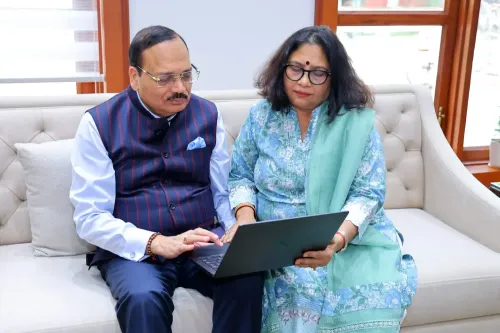
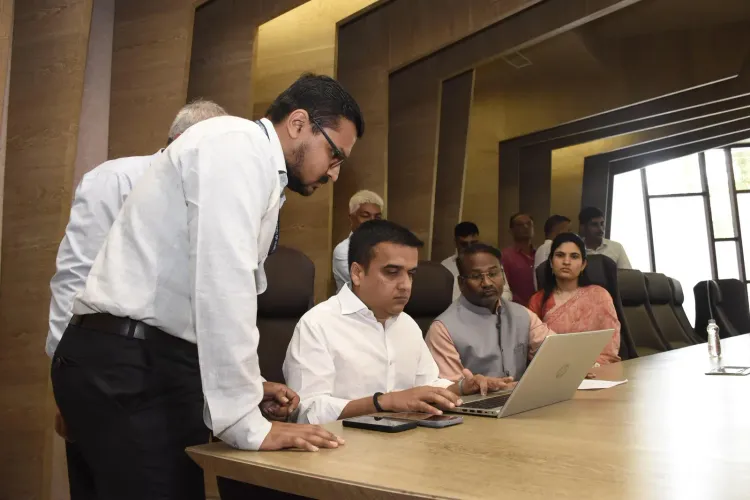
Gujarat Deputy Chief Minister Harsh Sanghavi on Monday, 18 May completed his family's online self-enumeration for Census 2027 from his residence in Surat, calling accurate census data the cornerstone of effective welfare delivery and urging every household in the state to participate before the 31 May deadline.
What Sanghavi Said
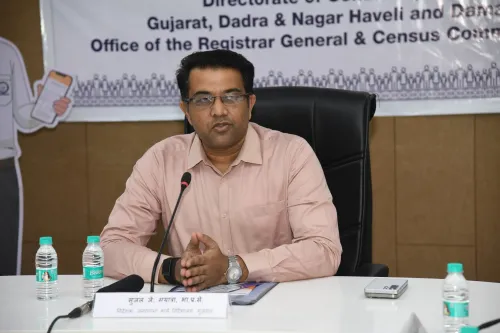
Addressing citizens during the campaign's launch phase in Surat, Sanghavi described Census 2027 as far more than a headcount. 'Census 2027 is not merely a population count but an important pillar for the future development of the country,' he said. He added that the data collected would directly shape government decisions on health, education, housing, employment, transport, and public welfare schemes at the grassroots level.
In his own words: 'The information obtained from the population census and the use of this information by the government, whether for policymaking or development, for proper distribution of resources, and for effectively delivering health, education, housing, employment, transport and various public welfare schemes to the grassroots level, makes this exercise extremely useful for citizens of every section of the country.'
How the Digital Self-Enumeration Works
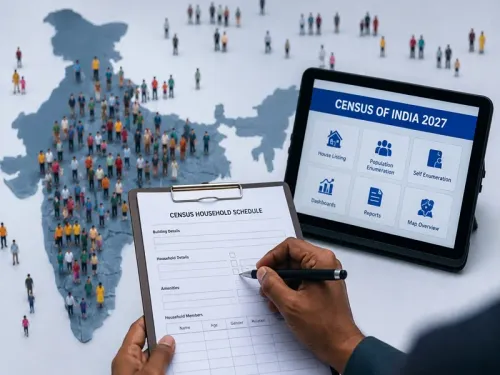
The Centre has introduced a digital self-enumeration portal allowing citizens to submit household details online from home — a first for India's decennial census. The current phase runs from 15 May to 31 May, after which door-to-door house listing operations are scheduled from 1 June to 30 June.
Sanghavi filled in his family's details through the online portal on the second day of the campaign, a day after Chief Minister Bhupendra Patel formally launched the process by completing his own family's enumeration on the digital platform.
OTP Fraud Warning
Sanghavi issued a specific caution to residents about data security during the census process. He clarified that an OTP is generated only when citizens complete self-enumeration online themselves — and that no OTP needs to be shared if a government official visits a home physically for census-related work.
'If any officer comes to your home for self-enumeration, then there is no need to provide any type of OTP in that process. All citizens should take special note of this,' he said, urging people not to share confidential information with unknown persons under any circumstances.
Why Census 2027 Matters
India's last census was conducted in 2011; the 2021 exercise was deferred due to the Covid-19 pandemic, making Census 2027 the first fresh national count in over 16 years. The data gap has had measurable consequences — welfare scheme beneficiary lists, parliamentary delimitation, and resource allocation formulas have all relied on increasingly dated figures. Accurate, updated data is expected to recalibrate central and state fund flows across dozens of schemes.
With Gujarat's participation drive now backed by both the Chief Minister and Deputy Chief Minister, the state administration is signalling that high enumeration rates — particularly through the digital route — are a policy priority this cycle.
Point of View
Distorting everything from parliamentary seat allocation to MGNREGS beneficiary rolls. Sanghavi's OTP warning also points to a real risk — census-themed fraud is a known vector in India, and the shift to a digital-first process opens new surface area for scammers. Whether the government's public awareness machinery is robust enough to counter that at scale remains to be seen.
NationPress
14 Oct 2026
Frequently Asked Questions
What is Census 2027 and why is it significant?
Census 2027 is India's decennial national population count, the first to be conducted since 2011 after the 2021 census was deferred due to the Covid-19 pandemic. The 16-year data gap has affected welfare scheme targeting, parliamentary delimitation, and resource allocation across central and state governments.
How can citizens complete Census 2027 self-enumeration online?
Citizens can submit their household details through the Centre's official digital self-enumeration portal from home. The online window is open from 15 May to 31 May 2025. After that, door-to-door house listing operations will run from 1 June to 30 June.
What is the OTP warning issued by Gujarat Deputy CM Harsh Sanghavi?
Sanghavi clarified that an OTP is generated only when a citizen completes self-enumeration online. If a government official visits your home physically for census work, no OTP is required or should be shared. He urged citizens not to share any confidential information with unknown persons claiming to be census officials.
Who launched Gujarat's Census 2027 digital campaign?
Chief Minister Bhupendra Patel formally launched the online self-enumeration process on 17 May by completing his family's details on the digital portal. Deputy Chief Minister Harsh Sanghavi followed on 18 May, completing his family's enumeration from his Surat residence.
What happens after the May 31 self-enumeration deadline?
After the online self-enumeration window closes on 31 May, door-to-door house listing operations are scheduled to begin on 1 June and run through 30 June, covering households that did not complete the process online.