Chief Justice Surya Kant Engages in Self-Enumeration for Census 2027
Synopsis
In a significant move, Chief Justice Surya Kant participated in the self-enumeration process for Census 2027, showcasing civic responsibility. This digital initiative marks a revolutionary step in India's data collection methods.
Key Takeaways
Chief Justice Surya Kant participated in Census 2027 self-enumeration.
The census is India's first fully digital initiative.
Prominent leaders are encouraging public participation.
Citizens must answer 33 questions in the initial phase.
Engagement in the census promotes transparency and civic responsibility .
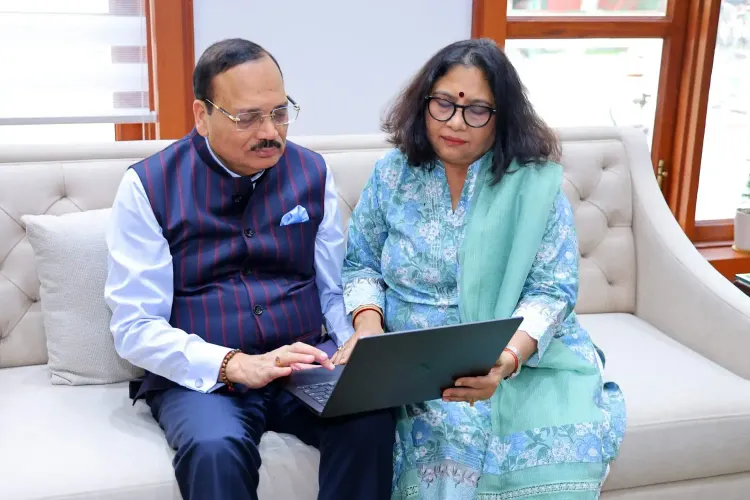
New Delhi, April 3 (NationPress) On Friday, Chief Justice of India (CJI) Surya Kant took part in the self-enumeration initiative for the Census 2027 from his home, as confirmed by an official from the Ministry of Home Affairs (MHA).
The Census of India, 2027, announced via social media, validated this event and urged all citizens to engage in self-enumeration.
The Census 2027, conducted under the auspices of the Office of the Registrar General and Census Commissioner, mentioned, "The Chief Justice of India has successfully finalized his self-enumeration for Phase-I of #Census2027, which involves the Houselisting and Housing Census at his residence today."
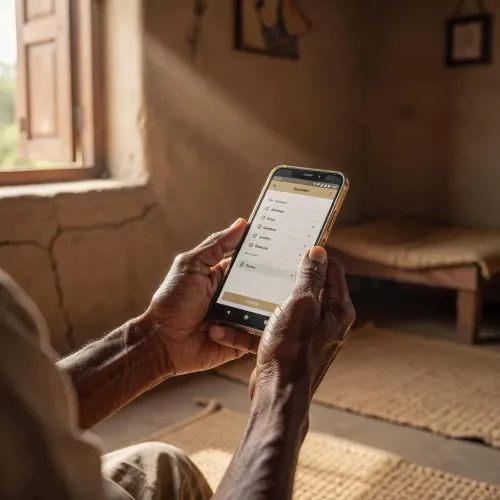
"Demonstrating an exemplary civic duty, the CJI logged his household information through the secure Self-Enumeration Portal," it further noted.
"This marks a pivotal moment in India's inaugural digital census, which provides citizens with a streamlined and transparent method for data collection," added the Census of India 2027.
"We extend our heartfelt thanks to the CJI for his proactive involvement and support in this significant national undertaking. We strongly encourage everyone to self-enumerate at https://se.census.gov.in and help in crafting a more robust, data-driven Viksit Bharat," they stated.
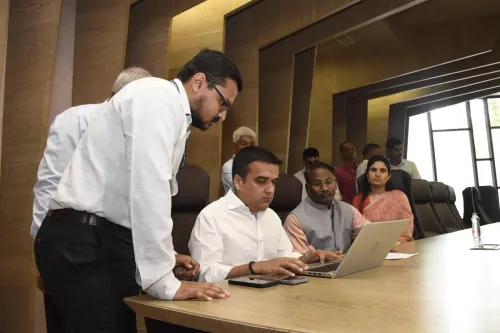
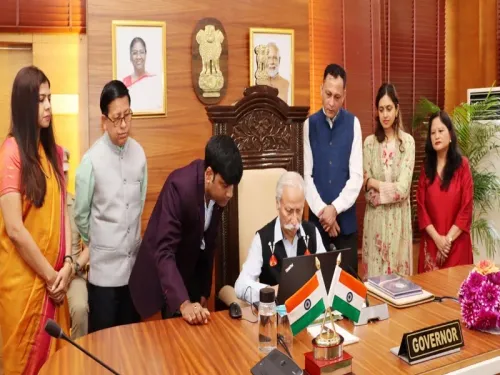
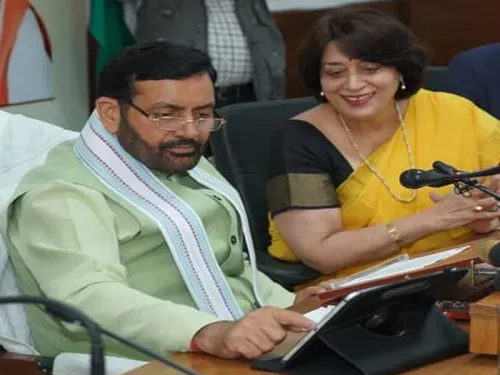
Earlier, on Wednesday, Prime Minister Narendra Modi and Union Home Minister Amit Shah completed their self-enumeration.
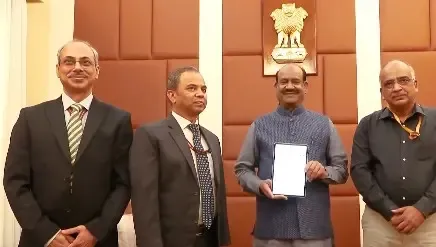
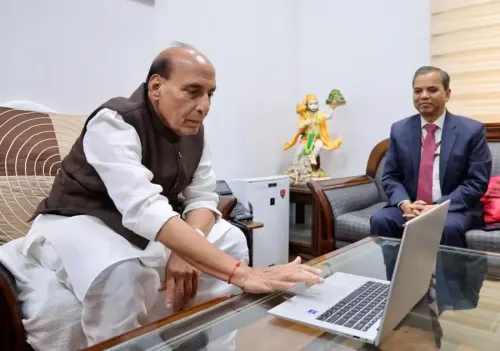
On Friday, Defence Minister Rajnath Singh and Lok Sabha Speaker Om Birla also engaged in the self-enumeration process.
In a message on X, Lok Sabha Speaker Birla remarked, "The first phase of India's Census-2027 has commenced. Today, I accomplished my self-enumeration registration at my residence in Delhi."
The Census 2027 is poised to be India's first completely digital census, marking a departure from the conventional paper-based approach that has been in place for over 150 years.
The operation is being executed in two phases under the Census Act, 1948.
The initial phase, referred to as House Listing and Housing Census (HLO), aims to gather data on housing conditions, household facilities, and assets.
During this phase, citizens are required to respond to 33 designated questions.
Point of View
The engagement of prominent figures like Chief Justice Surya Kant in the self-enumeration process for Census 2027 highlights the significance of active citizenship. This initiative not only promotes transparency in data collection but also sets a precedent for civic involvement across all sectors.
NationPress
17 Oct 2026
Frequently Asked Questions
What is the significance of Census 2027?
Census 2027 is India's first fully digital census, aimed at improving data collection transparency and efficiency.
Who else has participated in the self-enumeration process?
Prominent figures such as Prime Minister Narendra Modi, Union Home Minister Amit Shah, Defence Minister Rajnath Singh, and Lok Sabha Speaker Om Birla have also completed their self-enumeration.
How many questions must citizens answer in the first phase?
Citizens are required to respond to 33 specific questions during the first phase of the census.
What is the role of the Office of the Registrar General?
The Office of the Registrar General oversees the execution of the census, ensuring accurate data collection and management.
How can citizens participate in the self-enumeration?
Citizens can self-enumerate through the secure Self-Enumeration Portal at https://se.census.gov.in.