CM Fadnavis Reviews Chhatrapati Sambhajinagar Water Supply Scheme
Synopsis
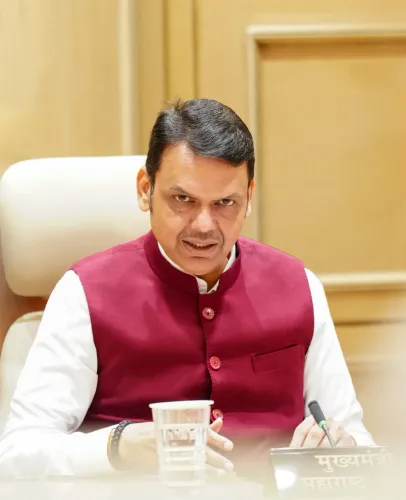
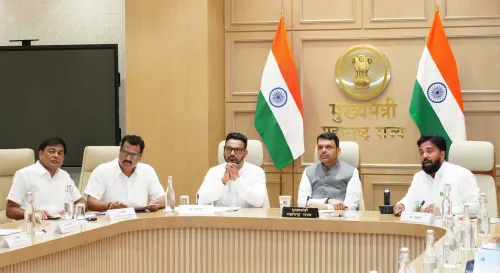
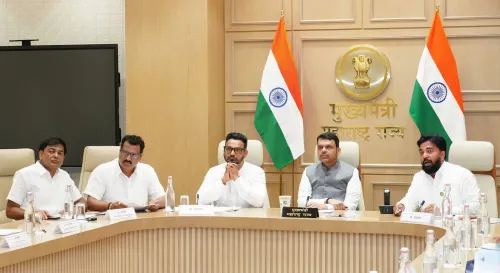
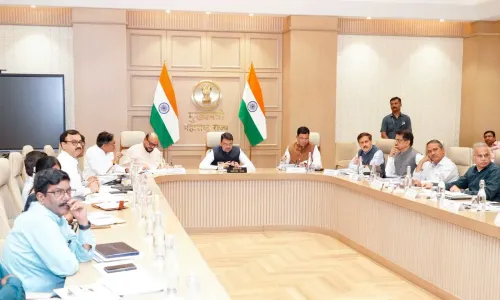
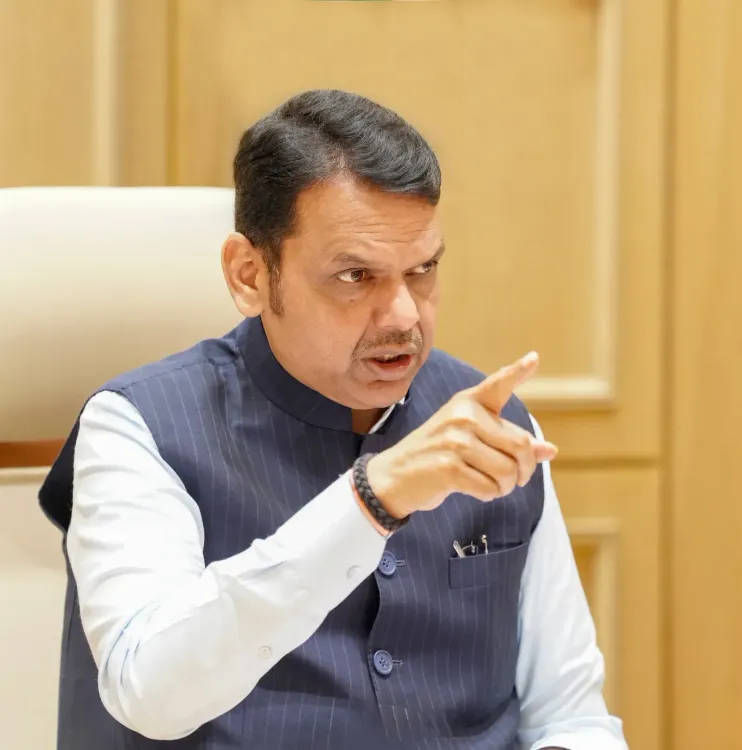
Chief Minister Devendra Fadnavis chaired a review meeting on the Chhatrapati Sambhajinagar City Water Supply Scheme at Varsha Bungalow, Mumbai, on 15 July 2026, with state ministers, local MPs, MLCs, and the city mayor in attendance.
Key Takeaways
CM Devendra Fadnavis chaired a review meeting on the Chhatrapati Sambhajinagar City Water Supply Scheme on 15 July 2026 .
The meeting was held at Varsha Bungalow, Mumbai at 3:40 PM .
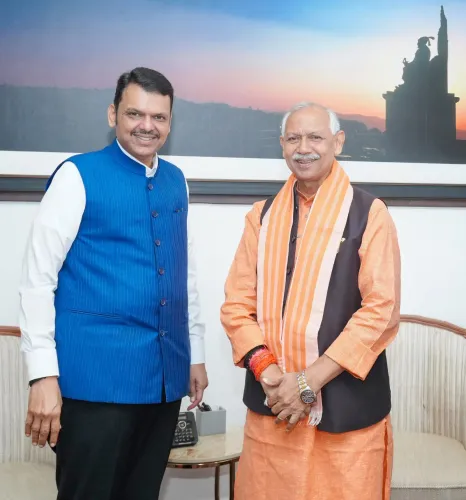
Attendees included Ministers Atul Save, Sanjay Shirsat, and Gulabrao Patil , alongside MP Sandipan Bhumare , MLCs Suhas Shirsath and Satish Chavan , and Mayor Sameer Rajurkar .
Chhatrapati Sambhajinagar (formerly Aurangabad) faces chronic water supply challenges in the Marathwada region.
The scheme has historical ties to the central government's AMRUT urban infrastructure mission launched in 2015 .
Follow-up announcements on tender awards or revised timelines are expected through state and municipal channels.
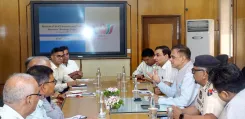
The Chief Minister's Office of Maharashtra announced on Wednesday, 15 July 2026 that Chief Minister Devendra Fadnavis chaired a high-level review meeting on the Chhatrapati Sambhajinagar City Water Supply Scheme at Varsha Bungalow, Mumbai, at 3:40 PM.
Context
Chhatrapati Sambhajinagar, the major administrative and industrial city in Maharashtra's Marathwada region — formerly known as Aurangabad — has long grappled with chronic water supply constraints. The city's growing population and the region's variable monsoon patterns have placed persistent pressure on its urban water infrastructure. The review meeting signals renewed attention at the highest level of the state government to the scheme's progress and implementation.
The post, published in English, Marathi, and Hindi, confirmed the attendance of a broad cross-section of elected representatives and officials: Minister Atul Save, Minister Sanjay Shirsat, Minister Gulabrao Patil, MP Sandipan Bhumare, MLC Suhas Shirsath, MLC Satish Chavan, Mayor of Chhatrapati Sambhajinagar Sameer Rajurkar, and senior officials.
Policy Backdrop
Maharashtra's urban water augmentation efforts in Marathwada have a layered policy history. The city previously benefited from the central government's AMRUT (Atal Mission for Rejuvenation and Urban Transformation) scheme, launched in 2015, which channelled funds into water supply and sewerage projects in cities including then-Aurangabad. State governments have periodically revisited implementation timelines and funding utilisation for such schemes.
Minister Gulabrao Patil, linked to water resources and irrigation portfolios, and Minister Atul Save, associated with urban development, bring direct sectoral expertise to the review table. The presence of both state ministers and local elected representatives — including the city's mayor and sitting MPs and MLCs — underscores the scheme's political and civic salience for the region.
Stakeholders and Impact
The primary beneficiaries of the Chhatrapati Sambhajinagar City Water Supply Scheme are the city's residents and the Chhatrapati Sambhajinagar Municipal Corporation, which administers urban services. Marathwada's water scarcity has historically been a flashpoint, affecting daily life, industrial activity, and agricultural communities on the city's periphery.
Chief Minister-chaired reviews of this nature typically involve coordination between state ministries, technical agencies, and local bodies to assess physical progress, resolve inter-departmental bottlenecks, and monitor fund utilisation. The multi-ministerial composition of Tuesday's meeting suggests the scheme spans multiple administrative jurisdictions — water resources, urban development, and local self-governance.
What's Next
Observers will watch for follow-up announcements on tender awards, source augmentation works, or revised cost and timeline estimates for the scheme. State budget documents and Chhatrapati Sambhajinagar Municipal Corporation updates are the likely channels through which further details will emerge. With the monsoon season underway, the timing of the review may also reflect urgency around reservoir levels and water availability planning for the city.
The Chief Minister's direct involvement in a city-level water supply review points to the scheme's strategic importance — both as an infrastructure deliverable and as a political priority for the Marathwada region ahead of ongoing urban development commitments.
Point of View
And the broad attendance of ministers, MPs, MLCs, and the mayor suggests the state is keen to demonstrate coordinated action. The meeting fits a broader Maharashtra pattern of high-visibility reviews on long-pending urban infrastructure projects, particularly in tier-2 cities where delivery gaps are most visible to voters. Whether this review translates into accelerated on-ground progress or revised timelines will be the real measure of its significance.
NationPress
15 Jul 2026
Frequently Asked Questions
What is the Chhatrapati Sambhajinagar City Water Supply Scheme?
The Chhatrapati Sambhajinagar City Water Supply Scheme is an urban water augmentation project for the city formerly known as Aurangabad in Maharashtra's Marathwada region, aimed at addressing the city's chronic water supply constraints.
Why did CM Devendra Fadnavis chair a water supply review meeting?
CM Devendra Fadnavis chaired the review to assess the progress of the Chhatrapati Sambhajinagar City Water Supply Scheme, coordinating between state ministers, local elected representatives, and senior officials on implementation and funding.
Where was the review meeting held?
The review meeting was held at Varsha Bungalow in Mumbai on 15 July 2026 at 3:40 PM.
Who attended the Chhatrapati Sambhajinagar water supply review meeting?
The meeting was attended by Ministers Atul Save, Sanjay Shirsat, and Gulabrao Patil, MP Sandipan Bhumare, MLCs Suhas Shirsath and Satish Chavan, Mayor Sameer Rajurkar, and senior officials.
What is AMRUT and how does it relate to Chhatrapati Sambhajinagar?
AMRUT, or the Atal Mission for Rejuvenation and Urban Transformation, is a central government scheme launched in 2015 that funded water supply and sewerage projects in cities including then-Aurangabad, now Chhatrapati Sambhajinagar.