CM Fadnavis Vows Long-Term Water Fix for Ichalkaranji
Synopsis
Maharashtra CM Devendra Fadnavis chaired a meeting in Mumbai on 18 June 2026 to resolve Ichalkaranji's water supply crisis. He pledged long-term Krishna River-linked infrastructure, assured no fund shortage, and directed officials to complete technical and financial assessments before swift implementation.
Key Takeaways
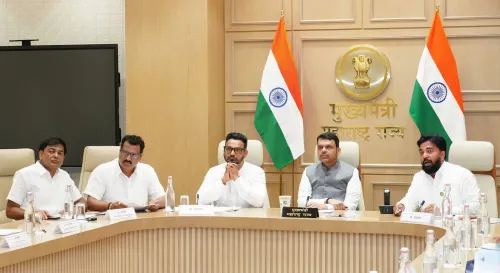
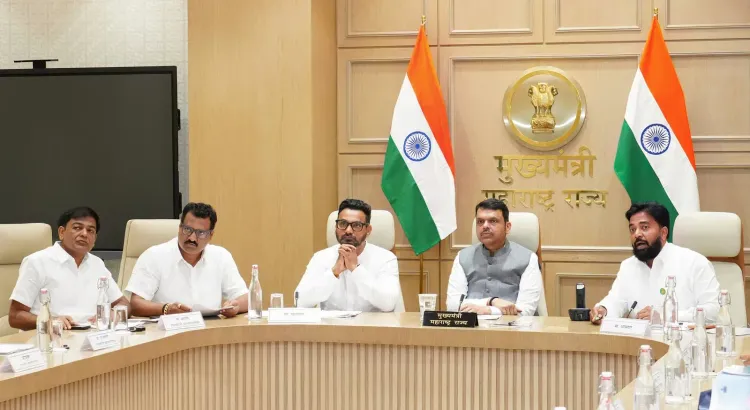
CM Devendra Fadnavis chaired a water supply meeting for Ichalkaranji at Varsha Bungalow, Mumbai on 18 June 2026 .
The Krishna River was identified as the primary source for a sustainable long-term water solution, subject to existing inter-state tribunal allocations.
Fadnavis assured there would be no shortage of funds, with 'long-term, interest-free financial assistance' on the table if needed.
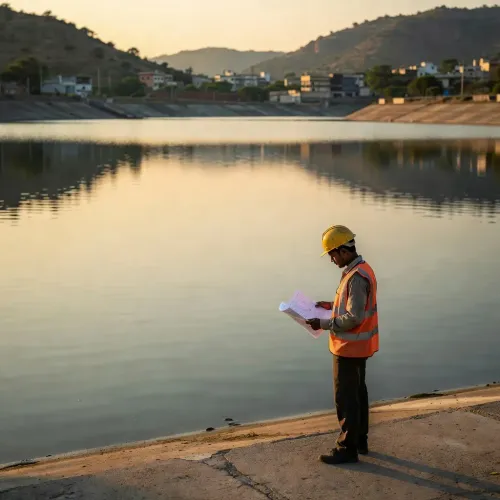
Officials were directed to examine all options to enhance storage capacity and water infrastructure before a final decision is taken.
MP Dhairyasheel Mane , MLA Dr.
Rahul Awade , Mayor Uday Dhatunde , and Deputy Mayor Adv.
Anil Daliya attended the meeting.
Local self-government bodies were directed to improve tax collection and enforce construction regulations as a condition of state support.
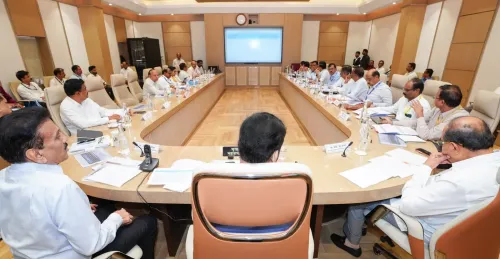
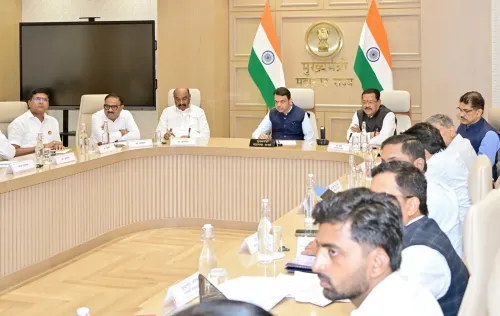
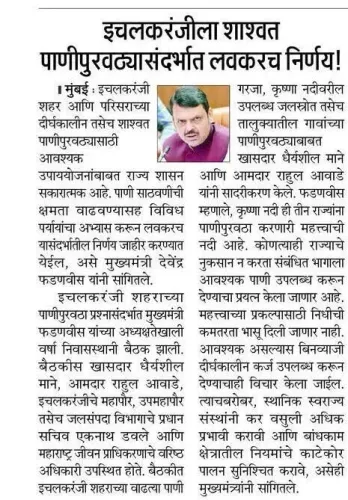
Maharashtra Chief Minister Devendra Fadnavis chaired a high-level meeting on the water supply crisis in Ichalkaranji, a major textile and powerloom hub in Kolhapur district, at Varsha Bungalow in Mumbai on Thursday, 18 June 2026. The Chief Minister pledged a lasting solution to the city's growing water needs and assured that a formal decision would be taken soon.
Context
Ichalkaranji's rapid industrial and population growth has put mounting pressure on its municipal water infrastructure, making periodic reviews of supply and storage a recurring state-level concern. At the meeting, Fadnavis reviewed the city's expanding water requirements alongside those of neighbouring villages, and examined the potential of the Krishna River to support a sustainable long-term supply. MP Dhairyasheel Mane, MLA Dr. Rahul Awade, Ichalkaranji Mayor Uday Dhatunde, Deputy Mayor Adv. Anil Daliya, and senior government officials were present at the deliberations.
Policy Backdrop
The Krishna River is an inter-state waterway originating in Maharashtra and flowing through Karnataka and TelangaAndhra Pradesh. Its allocations are governed by the Krishna Water Disputes Tribunal, constituted under the Inter-State River Water Disputes Act, whose 1976 award apportioned shares among the three riparian states. Fadnavis acknowledged this complexity directly, stating: 'While the Krishna River serves three states, our priority is to secure adequate water for the region without compromising the interests of others.' Officials have been directed to examine all possible options to enhance storage capacity and strengthen water infrastructure within these constraints. Maharashtra has historically paired such capital-intensive water initiatives with local governance reforms, a pattern that continued at this meeting with directives on tax collection and construction compliance.
Stakeholders and Impact
Residents and industries in Ichalkaranji — whose powerloom sector depends heavily on reliable water supply — stand to benefit most directly from the proposed infrastructure upgrades. Fadnavis assured attendees there would be 'no shortage of funds' for the project, adding that the state would consider 'long-term, interest-free financial assistance' if required. At the same time, he placed a condition on local self-government bodies: they must improve tax collection efficiency and enforce strict compliance with construction regulations, signalling that state funding will be paired with accountability at the municipal level. Farmers and communities in the broader Krishna basin across three states also have a stake in how any new storage or diversion infrastructure is designed and operated.
What's Next
The Chief Minister indicated that implementation will proceed 'without delay' once technical, administrative, and financial assessments are complete. The immediate next steps involve officials examining all viable options for enhanced storage and distribution infrastructure linked to the Krishna River. Any significant new works may also require coordination at the inter-state level given the tribunal's allocation framework. The outcome of these assessments — and whether they trigger a cabinet decision or inter-state consultation — will determine the pace and scale of Ichalkaranji's water security upgrade for, as Fadnavis put it, 'decades to come.'
Point of View
Likely driven by pressure from the region's politically significant powerloom constituency. By publicly flagging the inter-state dimension of Krishna River allocations while still promising a swift solution, he is managing expectations carefully — committing to action without overstepping the tribunal framework. The pairing of state funding assurances with local tax-compliance directives reflects a broader Maharashtra pattern of conditioning capital transfers on municipal governance reform. How quickly the technical assessments conclude, and whether they require inter-state negotiation, will be the real test of the timeline he has set.
NationPress
19 Sept 2026
Frequently Asked Questions
Why is Ichalkaranji facing a water supply problem?
Ichalkaranji's rapid industrial growth as a major textile and powerloom hub in Kolhapur district has significantly increased its water demand, outpacing existing municipal supply and storage infrastructure. The city's expanding population and neighbouring villages have added further pressure on available resources.
What did CM Fadnavis decide at the Ichalkaranji water meeting?
CM Devendra Fadnavis directed officials to examine all options for enhancing storage capacity and water infrastructure linked to the Krishna River . He assured no shortage of funds, said interest-free long-term financial assistance could be considered, and stated a formal decision would be taken once technical, administrative, and financial assessments are complete.
Can Maharashtra use more Krishna River water for Ichalkaranji?
Maharashtra's use of Krishna River water is governed by the Krishna Water Disputes Tribunal's 1976 award , which apportions shares among Maharashtra, Karnataka, and Telangana/Andhra Pradesh. Fadnavis acknowledged this constraint and directed officials to find solutions 'without compromising the interests of others.'
Who attended the Ichalkaranji water supply meeting in Mumbai?
The meeting at Varsha Bungalow was attended by MP Dhairyasheel Mane , MLA Dr. Rahul Awade , Ichalkaranji Mayor Uday Dhatunde , Deputy Mayor Adv. Anil Daliya , and senior government officials, in addition to CM Devendra Fadnavis who chaired it.
Will the Maharashtra government provide funds for Ichalkaranji's water project?
CM Fadnavis assured that there would be 'no shortage of funds' for the project. He added that if required, the state would consider providing 'long-term, interest-free financial assistance,' while also calling on local bodies to improve tax collection to support the initiative.