Gujarat Census 2027 Phase 1 begins today; 3.74 lakh self-enumerated
Synopsis
India's first fully digital census is no longer a future plan — it started today in Gujarat. With 3.74 lakh residents already self-enumerated and a caste count baked into Phase 2, Census 2027 carries more political and demographic weight than any enumeration since Independence.
Key Takeaways
Gujarat launched Census 2027 Phase 1 (House Listing and Housing Census) on 1 June , running through 30 June .
Over 3.74 lakh residents had already self-enumerated by 30 May ; around 3.30 lakh forms were fully processed.
Enumerators will ask 33 questions across 1,10,598 House Listing Blocks , staffed by 1,09,038 enumerators and 18,254 supervisors .
Phase 2 — population and caste enumeration — is scheduled from 9 to 28 February 2027 .
This is India's 16th census and the first since 2011 , making it the longest gap between Indian censuses on record.
Apps in 16 languages , including Gujarati, support offline data collection for areas with poor connectivity.
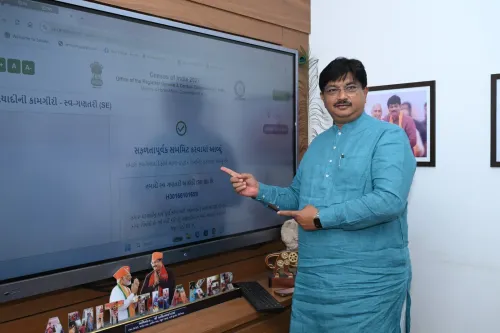
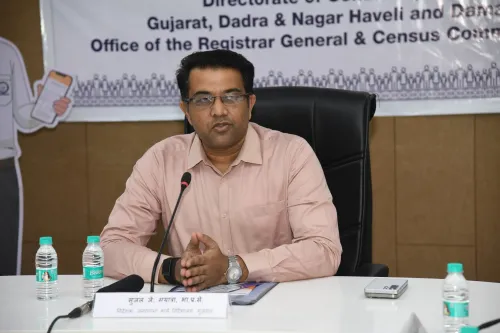
Gujarat on 1 June 2025 formally launched the first phase of Census 2027, marking the start of what officials describe as India's first fully digital census exercise. The state's Census Director Sujal Mayatra announced the commencement, noting that over 3.74 lakh Gujarat residents had already submitted self-enumeration forms ahead of the official kickoff.
What Phase 1 Covers
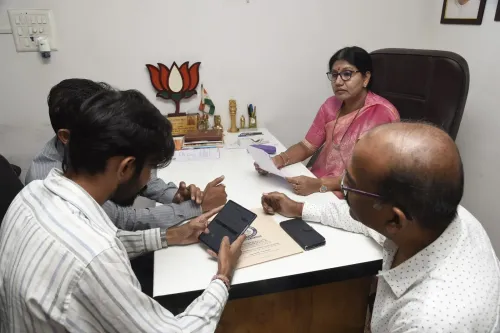
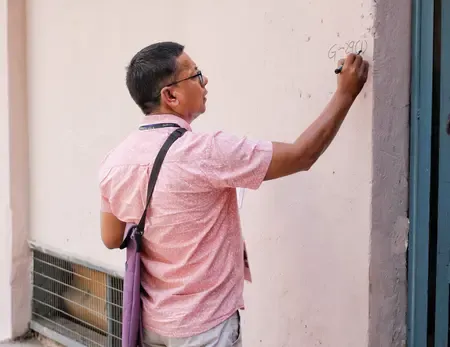
The first phase, formally called the House Listing and Housing Census (HLO), will run from 1 June to 30 June across all districts, municipal corporations, municipalities, and villages in Gujarat. Enumerators will ask a total of 33 questions covering housing conditions, household composition, sources of drinking water, sanitation facilities, and other household assets.
'The House Listing and Housing Census will be conducted across the state from June 1 to June 30. During this phase, enumerators will ask a total of 33 questions covering housing conditions, family details, source of drinking water, toilet facilities and other assets,' Mayatra said.
Scale of the Operation
The Gujarat enumeration will cover 1,10,598 House Listing Blocks (HLBs) and will be executed by 1,09,038 enumerators supported by 18,254 supervisors. All field personnel have completed training in three phases to prepare for the exercise.
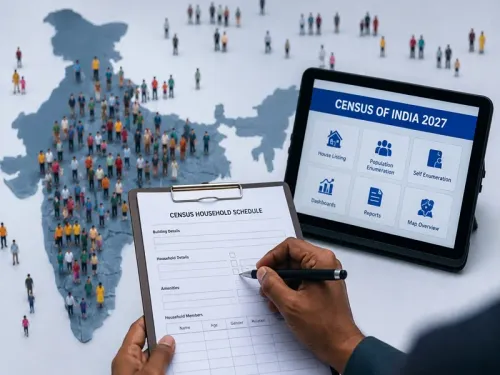
Dedicated Android and iOS applications have been developed in 16 languages, including Gujarati, with offline data collection capabilities to ensure enumeration can proceed in areas with limited internet connectivity. A self-enumeration portal allows residents to submit details directly without waiting for an enumerator.
Early Participation and Self-Enumeration
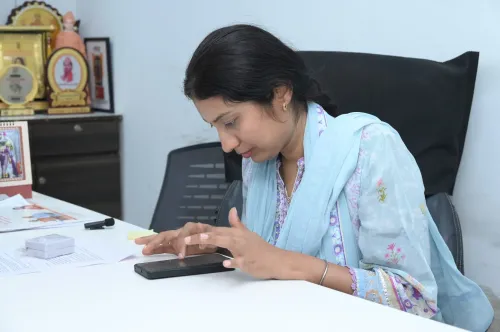
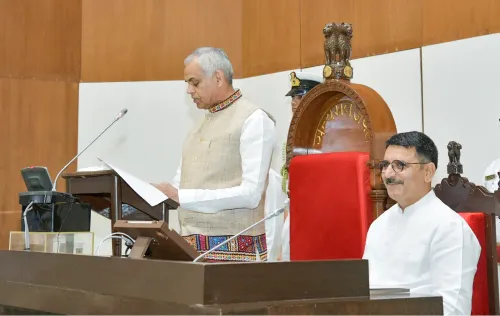
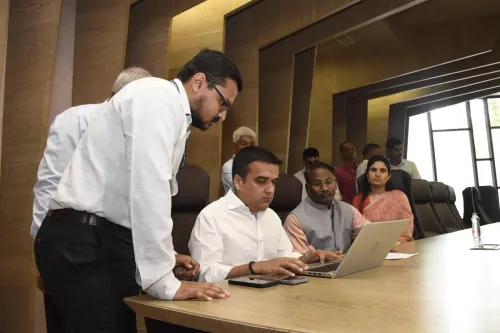
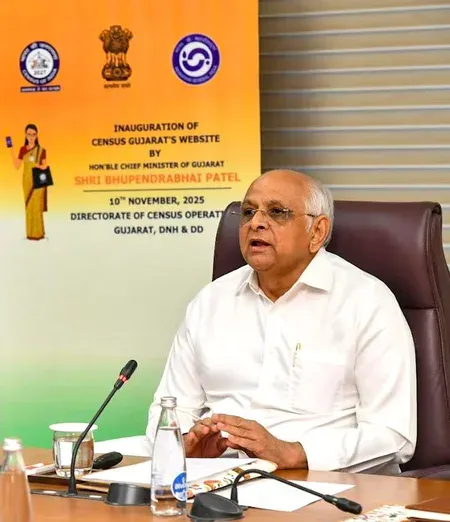
Gujarat's self-enumeration campaign, which commenced on 17 May, saw participation from senior officials including Governor Acharya Devvrat, Chief Minister Bhupendra Patel, Cabinet members, the Chief Secretary, district collectors, and municipal commissioners. As of 30 May, more than 3.74 lakh citizens had filled forms; of these, around 3.30 lakh submissions were successfully completed while approximately 44,000 remained under processing.
Phase 2: Population and Caste Enumeration
The second phase — comprising Population Enumeration (PE) and caste enumeration — is scheduled between 9 February and 28 February 2027. Mayatra confirmed that caste data collection will be conducted alongside the nationwide population count during this stage: 'Population enumeration and caste enumeration will be carried out, and the caste census exercise will also be completed across the country.'
This is the 16th census in India's history and the eighth since Independence. The previous census was conducted in 2011, making the 2027 exercise a 16-year gap — the longest interval between Indian censuses on record, delayed by the Covid-19 pandemic. Census authorities emphasised that all data collected under the Census Act, 1948, and the Census Rules, 1990, will remain strictly confidential and cannot be used for legal or taxation purposes. Citizens are legally required to provide accurate information, with penalties prescribed for refusal.
Point of View
Drawing constituencies, framing welfare schemes — with demographic data that predates Jio, demonetisation, and a pandemic. The digital-first design is a genuine leap, but the more consequential element is the caste enumeration in Phase 2, which will produce the first official caste count since 1931 and almost certainly reshape the political arithmetic around reservations. Gujarat's early self-enumeration numbers look encouraging, but the harder test will come in Phase 2, when the caste question moves from administrative exercise to political flashpoint.
NationPress
16 Oct 2026
Frequently Asked Questions
What is Census 2027 Phase 1 in Gujarat?
Phase 1 is the House Listing and Housing Census (HLO), running from 1 June to 30 June across all districts, municipal corporations, and villages in Gujarat. Enumerators will ask 33 questions on housing conditions, household composition, drinking water access, sanitation, and assets.
When will Phase 2 of Census 2027 take place?
Phase 2 — covering Population Enumeration and caste enumeration — is scheduled between 9 February and 28 February 2027. Caste data will be collected alongside the nationwide population count during this phase.
How many people have already self-enumerated in Gujarat?
As of 30 May, more than 3.74 lakh Gujarat residents had submitted self-enumeration forms. Of these, around 3.30 lakh were fully processed and approximately 44,000 remained under processing.
Why is Census 2027 significant?
It is the 16th census in India's history and the first since 2011 — a 16-year gap, the longest on record, caused by the Covid-19 pandemic. It is also India's first fully digital census and will include a caste enumeration, the first official caste count since 1931.
Is the information collected in Census 2027 confidential?
Yes. All data collected under the Census Act, 1948, and Census Rules, 1990, is strictly confidential and cannot be used for legal or taxation purposes. Citizens are legally required to provide accurate information; penalties apply for refusal.