Gujarat Census 2027 Phase 1 begins June 1; 3.74 lakh complete self-enumeration
Synopsis
For the first time in India's census history, Gujarat is going fully digital — and the numbers suggest a strong early start. Over 3.74 lakh residents have already self-enumerated before Phase 1 even begins on June 1. The real headline, however, is Phase 2: caste enumeration will be conducted alongside the population count for the first time in decades, a politically charged addition that could reshape welfare and reservation policy.
Key Takeaways
Gujarat launches Census 2027 Phase 1 on 1 June , running through 30 June , covering housing conditions, sanitation, and household assets via 33 questions .
More than 3.74 lakh residents completed self-enumeration by 30 May ; around 3.30 lakh forms processed and 44,000 under processing.
Phase 2 — Population Enumeration and caste census — is scheduled from 9 to 28 February 2027 .
The operation will deploy 1,09,038 enumerators and 18,254 supervisors across 1,10,598 House Listing Blocks .
Digital apps in 16 languages , including Gujarati, support offline data collection; this is described as India's first fully digital census .
All data is protected under the Census Act, 1948 ; it cannot be used for legal or taxation purposes.
Gujarat is set to launch the first phase of Census 2027 on 1 June, with more than 3.74 lakh residents already having completed self-enumeration ahead of the rollout. Officials have described the exercise as India's first fully digital census, marking a significant shift in how the country counts its population after a 16-year gap since the last census in 2011.
Phase 1: House Listing and Housing Census
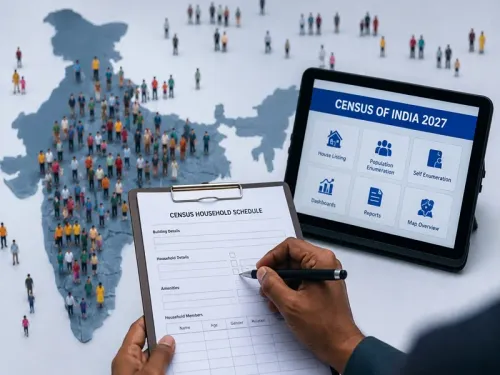
The first phase, formally called the House Listing and Housing Census (HLO), will run from 1 June to 30 June across all districts, municipal corporations, municipalities, and villages in Gujarat. Enumerators will pose 33 questions covering housing conditions, family composition, sources of drinking water, sanitation facilities, and household assets.
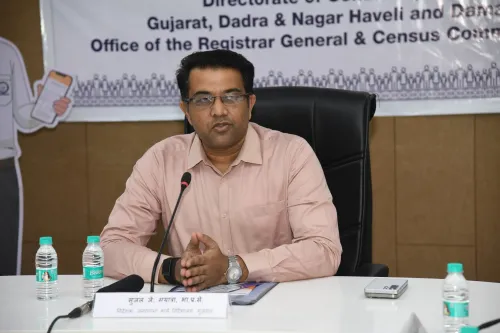
Census Director Sujal Mayatra said: 'The House Listing and Housing Census will be conducted across the state from June 1 to June 30. During this phase, enumerators will ask a total of 33 questions covering housing conditions, family details, source of drinking water, toilet facilities and other assets.'
The operation will span 1,10,598 House Listing Blocks (HLBs) and will be carried out by 1,09,038 enumerators supported by 18,254 supervisors, all of whom have undergone training in three phases.
Phase 2: Population and Caste Enumeration
The second phase — covering Population Enumeration (PE) and caste enumeration — is scheduled between 9 February and 28 February 2027. Notably, this will be the first time caste data is collected alongside the national population count in decades, a development that carries significant political and policy implications.
Mayatra confirmed: 'During this phase, population enumeration and caste enumeration will be carried out, and the caste census exercise will also be completed across the country.'
Self-Enumeration Drive and Digital Infrastructure
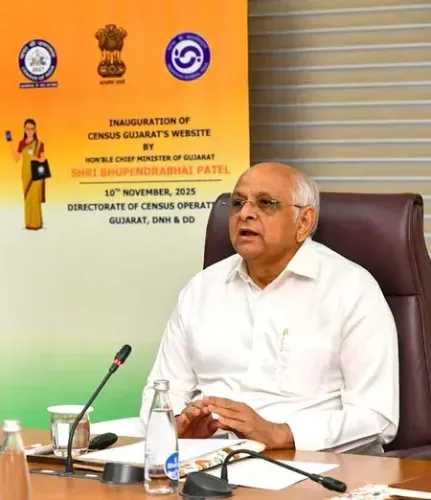
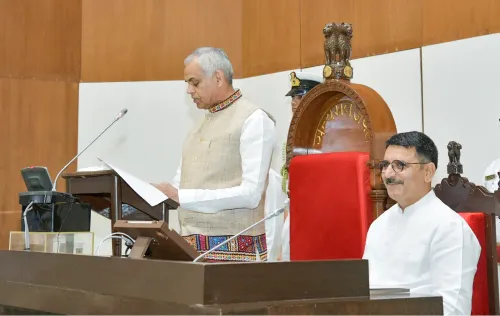
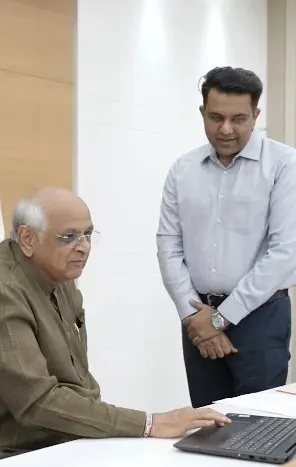
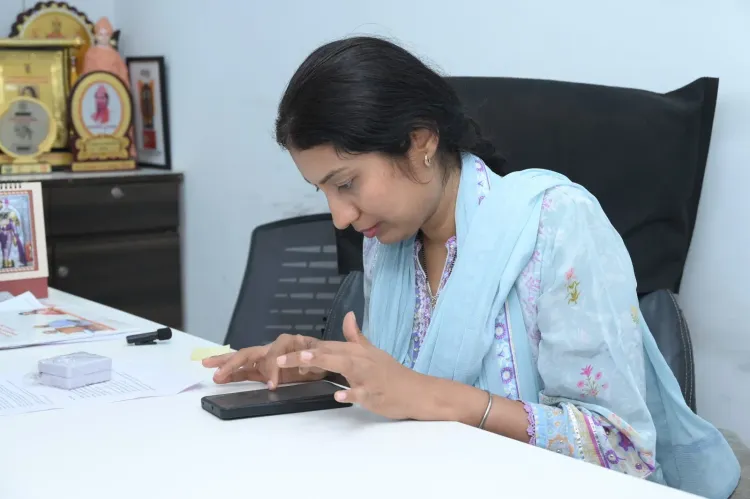
Gujarat's self-enumeration campaign, which began on 17 May, drew participation from Governor Acharya Devvrat, Chief Minister Bhupendra Patel, Cabinet members, the Chief Secretary, senior secretaries, district collectors, and municipal commissioners. As of 30 May, 3.74 lakh citizens had submitted self-enumeration forms — of which approximately 3.30 lakh were successfully processed and around 44,000 remained under processing.
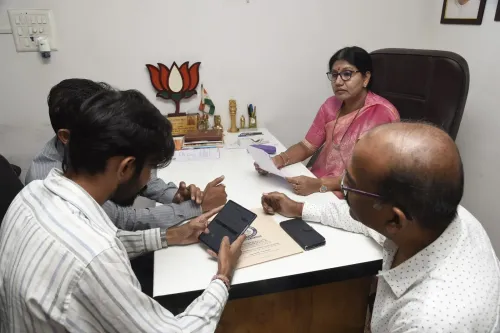
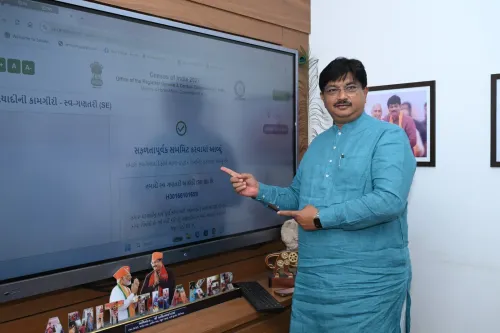
Dedicated Android and iOS applications have been developed in 16 languages, including Gujarati, with offline data-collection capabilities to support enumeration in areas with limited internet connectivity. A special self-enumeration portal allows residents to submit their information directly, without waiting for an enumerator's visit.
Confidentiality and Legal Obligations
Census authorities underscored that all information collected under the Census Act, 1948, and the Census Rules, 1990, will remain strictly confidential and cannot be used for legal or taxation purposes. At the same time, officials noted that every citizen is legally required to provide accurate and complete information, and that the law provides for penalties in cases of refusal.
Residents with queries have been directed to the Central government's helpline or the official census website for assistance. With groundwork already under way, the success of Gujarat's digital-first rollout will be closely watched as a template for the rest of the country.
Point of View
Economists, and welfare administrators working with badly outdated data — every scheme from MGNREGS allocations to urban housing targets has been calibrated on numbers that predate two general elections and a pandemic. The digital-first architecture is a genuine leap, but the more consequential story is the inclusion of caste enumeration in Phase 2. That data, once released, will land in the middle of an active debate over reservation expansion and OBC sub-categorisation, and no amount of 'strictly confidential' assurances will contain its political afterlife. Gujarat's early self-enumeration numbers look encouraging, but voluntary digital participation skews urban and educated — the harder test will be rural and tribal block coverage in Phase 1.
NationPress
18 Oct 2026
Frequently Asked Questions
When does Census 2027 Phase 1 begin in Gujarat?
Census 2027 Phase 1 — the House Listing and Housing Census — begins on 1 June and runs through 30 June across all districts, municipal corporations, municipalities, and villages in Gujarat. Enumerators will collect data on housing conditions, sanitation, drinking water, and household assets through 33 questions.
What is the self-enumeration facility in Census 2027?
Self-enumeration allows residents to submit their census information directly through an official government portal, without waiting for an enumerator's visit. As of 30 May, more than 3.74 lakh Gujarat residents had used this facility, of whom around 3.30 lakh submissions were fully processed.
When will the caste census be conducted?
Caste enumeration will be carried out during Phase 2, scheduled from 9 to 28 February 2027, alongside the main Population Enumeration. Census Director Sujal Mayatra confirmed that the caste census exercise will be completed nationwide during this phase.
Is census information kept confidential?
Yes. All data collected is protected under the Census Act, 1948, and the Census Rules, 1990, and cannot be used for legal or taxation purposes. Officials have emphasised that participation is legally mandatory and that penalties apply for refusal to provide information.
How is Census 2027 different from previous censuses?
Census 2027 is described as India's first fully digital census. It uses dedicated Android and iOS apps in 16 languages with offline capability, and introduces a self-enumeration portal. It is also the 16th census overall and the first since 2011 — a gap of 16 years — and will include caste data collection for the first time in decades.