Gujarat's Asiatic lion count triples to 891 since 1991, CM Patel tells IBCA Summit
Synopsis
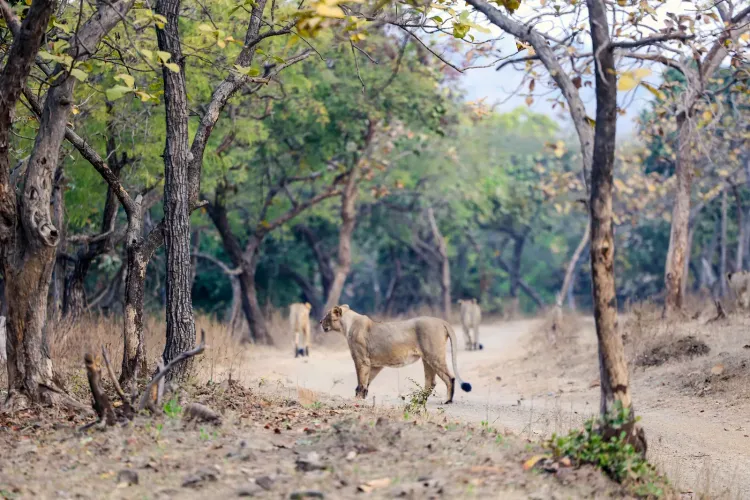
Gujarat's Asiatic lion count has nearly tripled — from 284 in 1991 to around 891 today — and the species has spread from three districts to eleven. With a ₹2,000 crore Project Lion underway and a second habitat established at Barda, India's most concentrated wildlife recovery story is now the centrepiece of the upcoming IBCA Summit.
Key Takeaways
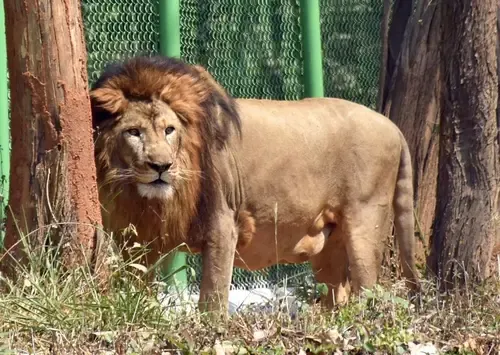
Gujarat's Asiatic lion population has grown from 284 in 1991 to approximately 891 as of May 2025 .
The lions' range has expanded from 3 districts to 11 districts across Gujarat.
Approximately 24 lions now inhabit the Barda Sanctuary in Porbandar, established as a second habitat.
The ₹2,000 crore Project Lion funds breeding centres, isolation centres, radio collars, and drone surveillance.
The IBCA Summit is scheduled for 1–2 June in New Delhi , with pre-events across five cities.
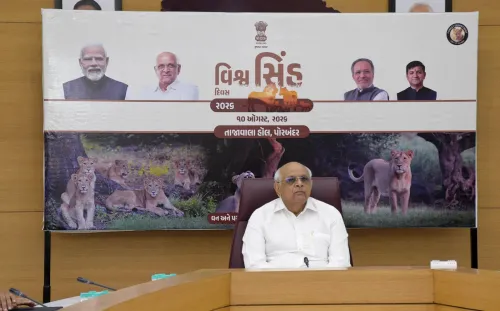
Gujarat's Asiatic lion population has surged from 284 in 1991 to approximately 891 today, Chief Minister Bhupendra Patel said on Thursday, 14 May, attributing the recovery to sustained conservation programmes and proactive forest management. Patel made the remarks while virtually inaugurating the first pre-event of the International Big Cat Alliance (IBCA) Summit-2026 at Sasan Gir in Junagadh, addressing the gathering from Gandhinagar.
Key Developments at the Sasan Gir Pre-Event
The Sasan Gir event, focused specifically on lion conservation, serves as a curtain-raiser to the full IBCA Summit scheduled for 1 and 2 June in New Delhi. Pre-events are also planned in Bhopal, Bhubaneswar, Gangtok, and Chandrapur in Maharashtra, covering cheetah, leopard, snow leopard, and tiger conservation respectively.
Patel described the lion population growth as a reflection of Prime Minister Narendra Modi's vision of 'Vikas Bhi, Virasat Bhi' — development alongside heritage. He credited conservation measures first initiated during Modi's tenure as Gujarat Chief Minister with accelerating big cat protection efforts across India.
Lions Spread Across 11 Districts
Beyond raw population numbers, the geographical range of Asiatic lions has expanded considerably. 'The lions' roaming area, which was once confined to three districts, has now spread across 11 districts in Gujarat,' Patel noted. He added that lions had naturally migrated to the Barda region in Porbandar district, with government support helping Barda Sanctuary emerge as a second established habitat. Approximately 24 lions are currently recorded in the Barda region.
Project Lion: ₹2,000 Crore Conservation Push
Patel highlighted the ₹2,000 crore 'Project Lion' initiative, which funds a range of infrastructure for long-term Asiatic lion protection. Facilities developed under the project include breeding centres, isolation centres, upgraded treatment centres, radio collar systems, and drone surveillance infrastructure.
The Chief Minister said the project was designed to benefit not only wildlife but also the communities residing in the Greater Gir region, linking ecological outcomes to local livelihoods and economic uplift. 'By linking ecology with emotion and strengthening the local economy, environmental conservation is being realised in Gujarat,' he said.
What This Means for Big Cat Conservation
The Asiatic lion — found exclusively in the wild in Gujarat — is listed as Endangered on the IUCN Red List. The near-tripling of the population over three decades is widely regarded as one of India's most significant wildlife recovery stories. Notably, the range expansion into a second habitat at Barda reduces the risk that a single disease outbreak or natural disaster could devastate the entire wild population — a concern that conservationists have flagged for decades given the species' geographic concentration.
With the IBCA Summit set to convene next month, India's lion recovery model is expected to be presented as a template for international big cat conservation partnerships.
Point of View
But the headline number warrants scrutiny on methodology — India's lion census relies on pug-mark and camera-trap estimates that carry margins of error rarely disclosed in official statements. The more consequential development is the range expansion: lions spreading into 11 districts and establishing a foothold in Barda meaningfully reduces the single-habitat extinction risk that conservationists have warned about for years. Project Lion's ₹2,000 crore outlay is substantial, but the real test is whether the community-livelihood component translates into reduced human-wildlife conflict, which remains the species' most persistent threat. The IBCA Summit framing also positions India as a global big cat conservation leader — a diplomatic narrative that carries weight ahead of multilateral biodiversity talks.
NationPress
24 Oct 2026
Frequently Asked Questions
How many Asiatic lions are there in Gujarat in 2025?
According to Chief Minister Bhupendra Patel, Gujarat's Asiatic lion population stands at approximately 891, up from 284 in 1991. The count reflects three decades of sustained conservation and forest management efforts in and around Sasan Gir.
What is Project Lion and how much has been allocated for it?
Project Lion is a government initiative with a ₹2,000 crore outlay aimed at the long-term protection of Asiatic lions. It funds breeding centres, isolation centres, upgraded treatment facilities, radio collar tracking, and drone surveillance infrastructure across the Greater Gir region.
Where do Asiatic lions live in India?
Asiatic lions are found exclusively in the wild in Gujarat, primarily in and around the Gir forest. Their range has expanded from three districts to eleven districts, and a second habitat has been established at Barda Sanctuary in Porbandar district, where around 24 lions currently reside.
What is the IBCA Summit 2026 and when is it being held?
The International Big Cat Alliance (IBCA) Summit 2026 is scheduled for 1 and 2 June in New Delhi. It is preceded by pre-events across five cities — Sasan Gir (lions), Bhopal (cheetah), Bhubaneswar (leopard), Gangtok (snow leopard), and Chandrapur in Maharashtra (tiger).
Why is the expansion of lions to a second habitat significant?
The establishment of Barda Sanctuary in Porbandar as a second Asiatic lion habitat reduces the risk of a single catastrophic event — such as a disease outbreak or natural disaster — wiping out the entire wild population. Conservationists have long flagged the danger of all wild Asiatic lions being concentrated in one location.