India hosts 5 of 7 big cat species as IBCA Summit 2026 nears
Synopsis
India shelters five of the planet's seven big cat species — a fact that makes the country the natural host of the IBCA Summit 2026. But the headline number from Sasan Gir is Gujarat's Asiatic lion count: up 32 per cent to 891, even as African lions decline globally. The Delhi Declaration expected in June could become the first multilateral framework to bind governments on big cat conservation.
Key Takeaways
India is home to five of the world's seven big cat species : tiger, lion, leopard, snow leopard, and cheetah.
The IBCA Summit 2026 will be held in New Delhi on 1 and 2 June 2026 , bringing together world leaders, scientists, and conservationists.
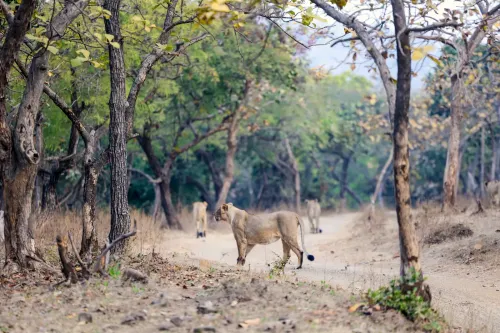
Gujarat's Asiatic lion population has risen by 32 per cent to 891 , bucking a global decline in lion numbers.
The summit is expected to produce the Delhi Declaration , a foundational document for international wildlife conservation cooperation.
Pre-summit events are being held across India: lion ( Sasan Gir ), cheetah ( Bhopal ), leopard ( Bhubaneswar ), snow leopard ( Gangtok ), tiger ( Chandrapur ).
The IBCA was established in 2023 under Prime Minister Narendra Modi's initiative to advance global big cat conservation.
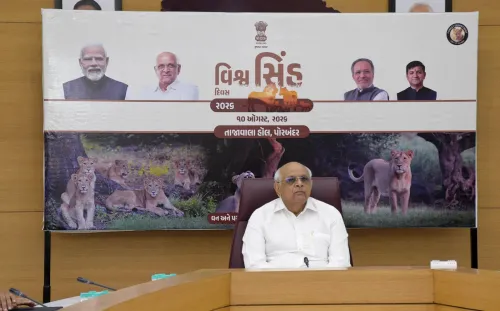
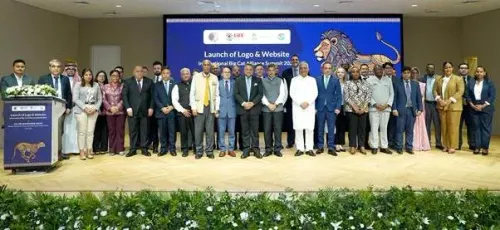
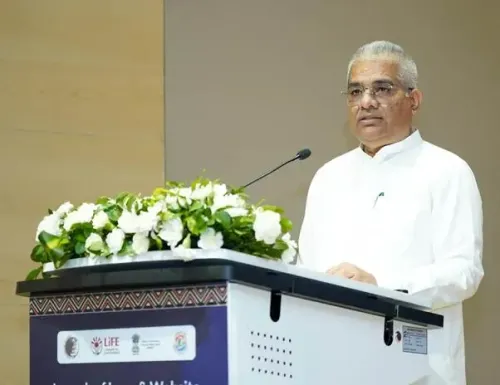
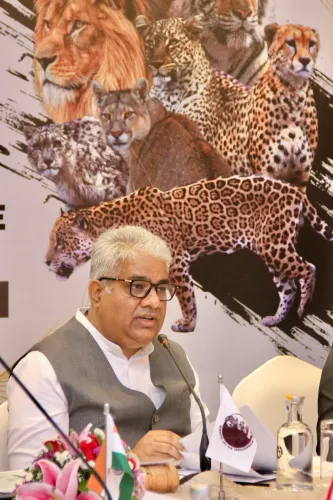
India is home to five of the world's seven recognised big cat species, Union Environment and Forest Minister Bhupender Yadav declared on Thursday, 14 May, at the first pre-event of the International Big Cat Alliance (IBCA) Summit 2026 held at Sasan Gir, Gujarat. The event, focused on lion conservation, was organised by the Union Ministry of Environment, Forest and Climate Change as a curtain-raiser to the main summit, scheduled for New Delhi on 1 and 2 June 2026.
India's Big Cat Standing
Of the seven globally recognised big cat species — tigers, lions, leopards, snow leopards, cheetahs, jaguars, and pumas — spread across 55 countries, five inhabit Indian territory. Tiger, lion, leopard, snow leopard, and cheetah are all found within India's borders, a distinction Yadav described as 'a matter of pride for the country.' Only jaguars and pumas are absent from India's wildlife landscape.
Gujarat's Lion Conservation Success
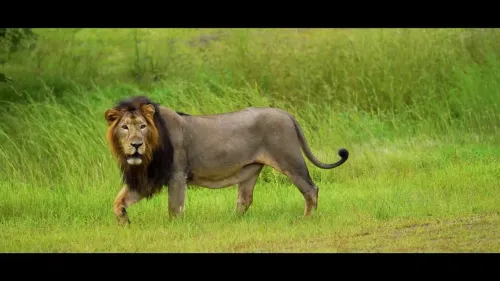
Yadav highlighted Gujarat as a global benchmark in lion conservation. While Asiatic lion populations face pressure in several regions worldwide, Gujarat's count has surged by 32 per cent to 891, even as African lion numbers have declined in parts of the world. New habitats, including the Barda sanctuary region, have been developed to sustain this growth. The minister said Gujarat's model has become a 'matter of pride' for the people of Saurashtra and the broader state.
What the IBCA Summit Will Deliver
The IBCA was conceived in 2023 under Prime Minister Narendra Modi's leadership to strengthen global cooperation on wildlife conservation. The upcoming New Delhi summit will bring together world leaders, wildlife experts, scientists, and corporate representatives to deliberate on conservation strategies for major feline species. A key outcome is expected to be the Delhi Declaration, described by Yadav as a 'foundational document for wildlife conservation cooperation.' The summit's overarching theme centres on protecting wildlife alongside humanity and the Earth's ecosystem.
Pre-Summit Events Across India
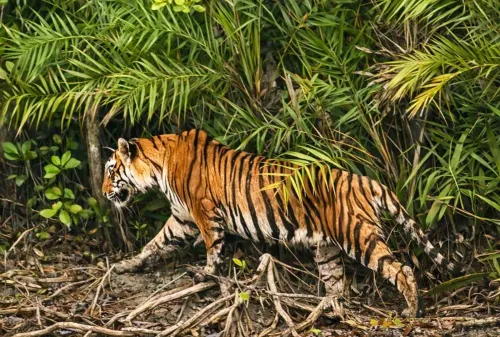
Ahead of the June summit, a series of species-specific pre-events are being held across the country. Programmes on cheetah conservation will take place in Bhopal, leopard conservation in Bhubaneswar, snow leopard conservation in Gangtok, and tiger conservation in Chandrapur, Maharashtra. The Sasan Gir event on lion conservation was the first in this series.
Broader Conservation Philosophy
Yadav stressed the need to balance development with environmental preservation, invoking a broader cultural argument: 'The Earth is not only for humans but also for all forms of life, and therefore conservation is equally necessary.' He added that Indian culture has historically emphasised compassion towards all living beings, positioning conservation as a civilisational responsibility rather than a policy choice alone. The IBCA framework, if it produces binding commitments at the June summit, could mark a significant step in multilateral wildlife diplomacy.
Point of View
Funding mechanisms, and independent monitoring — or whether it becomes another high-profile diplomatic gathering that yields a well-worded statement and little follow-through. Multilateral wildlife frameworks have a mixed record, and the test of India's leadership will be in the architecture it builds in June, not the optics of hosting.
NationPress
14 Sept 2026
Frequently Asked Questions
Which big cat species are found in India?
India is home to five of the world's seven recognised big cat species: tiger, lion, leopard, snow leopard, and cheetah. The two species absent from India are the jaguar and the puma.
What is the IBCA Summit 2026 and when is it being held?
The International Big Cat Alliance (IBCA) Summit 2026 is a global conservation conference being hosted by India in New Delhi on 1 and 2 June 2026. It will bring together world leaders, wildlife experts, scientists, and corporate representatives to deliberate on conservation strategies for big cat species.
How has Gujarat's Asiatic lion population changed?
Gujarat's Asiatic lion population has increased by 32 per cent to 891, even as lion populations in several other parts of the world have declined. New habitats, including the Barda sanctuary region, have been developed to support this growth.
What is the Delhi Declaration expected from the IBCA Summit?
The Delhi Declaration is expected to serve as a foundational document for international wildlife conservation cooperation, to be released at the conclusion of the IBCA Summit on 1-2 June 2026 in New Delhi. It is intended to formalise commitments among participating nations on big cat and broader wildlife conservation.
What pre-summit events are being held ahead of the IBCA Summit?
A series of species-specific pre-events are being organised across India: lion conservation at Sasan Gir (Gujarat), cheetah conservation in Bhopal, leopard conservation in Bhubaneswar, snow leopard conservation in Gangtok, and tiger conservation in Chandrapur, Maharashtra.