Gujarat orders solar rooftops for all Agriculture Dept offices after Modi's push
Synopsis
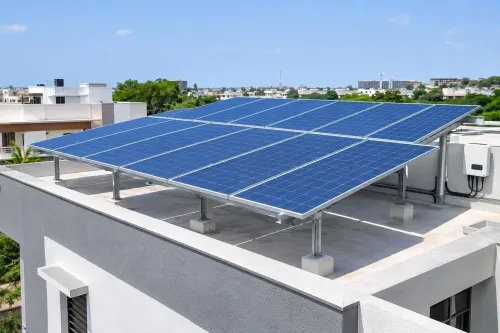
Gujarat has moved faster than most on Modi's renewable energy call — ordering every Agriculture Department office, university, and corporation to go solar immediately, with a seven-day deadline to submit proposals to GEDA. It is a rare instance of a prime ministerial public appeal converting into a binding state executive directive within days.
Key Takeaways
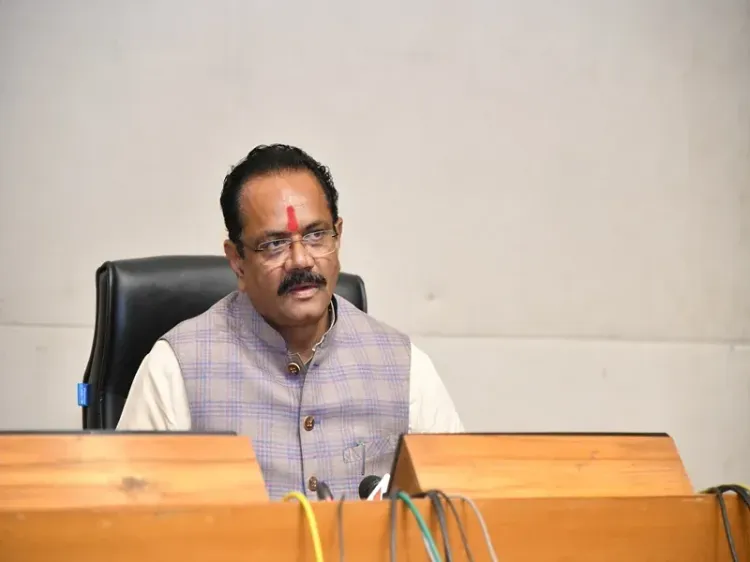
Gujarat Agriculture Minister Jitu Vaghani ordered all department offices, boards, corporations, and educational institutions to install solar rooftop systems on 28 May .
All offices must submit proposals to the Gujarat Energy Development Agency (GEDA) within seven days .
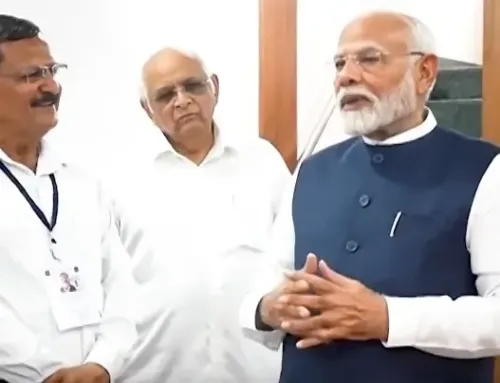
The directive follows PM Narendra Modi's seven-point energy appeal urging reduced fuel consumption and greater renewable energy adoption.
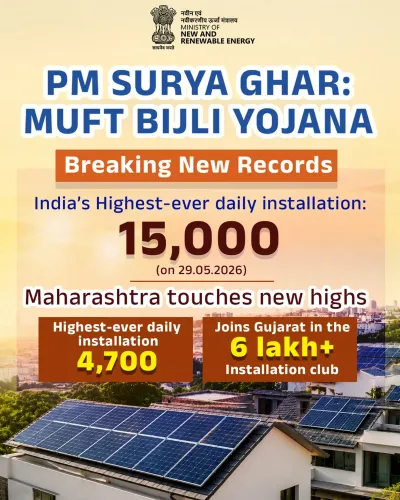
More than 25 lakh rooftop solar systems have been installed across India under PM Surya Ghar: Muft Bijli Yojana by March 2026 .
Gujarat is already among the leading states in rooftop solar implementation nationally.
The Gujarat government on Thursday, 28 May directed all offices, institutions, universities, and corporations under the state Agriculture Department to install solar rooftop systems, with Agriculture Minister Jitu Vaghani ordering an immediate start to the process. The move follows Prime Minister Narendra Modi's recent appeal to government institutions and citizens to adopt renewable energy and cut dependence on conventional fuels.
What Was Ordered
Vaghani issued a clear directive: every office, board, corporation, and educational institution under the Agriculture Department where solar rooftops are yet to be installed must begin the project 'on an immediate basis.' All concerned offices have been instructed to prepare and submit proposals to the Gujarat Energy Development Agency (GEDA) within the next seven days, so that implementation can proceed on a 'war footing.'
The decision was taken under the guidance of Chief Minister Bhupendra Patel and is aimed at reducing electricity expenditure in government offices while strengthening Gujarat's standing in the clean energy sector.
Modi's Seven-Point Energy Appeal
The directive is a direct response to a seven-point public appeal made by Prime Minister Modi earlier this month, issued against the backdrop of global energy uncertainty and rising pressure on India's fuel import bill. The appeals included reducing petrol and diesel consumption, encouraging public transport and carpooling, promoting work from home wherever feasible, using domestically produced goods, and avoiding unnecessary expenditure. Modi has also called for rooftop solar adoption to be taken up in 'mission mode' across cities, residential complexes, and public institutions to lower electricity costs and strengthen energy security.
Gujarat's Place in India's Rooftop Solar Push
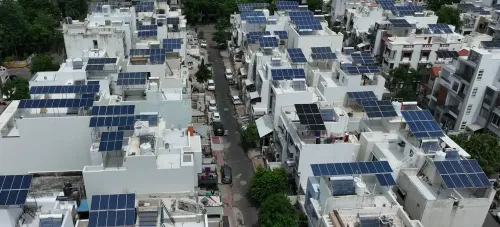
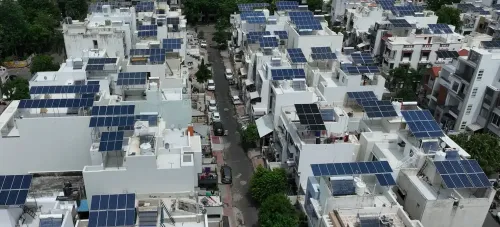
The order aligns with a broader national drive for rooftop solar expansion under the PM Surya Ghar: Muft Bijli Yojana. According to government data presented in Parliament, more than 25 lakh rooftop solar systems had been installed across India by March 2026, with Gujarat ranked among the leading states in implementation. Officials said the Agriculture Department initiative is expected to meaningfully reduce recurring electricity expenditure while reinforcing the state's clean-energy credentials.
Why This Matters
Gujarat has historically been a frontrunner in renewable energy adoption, and the Agriculture Department — which oversees a wide network of offices, universities, and corporations — represents a significant addition to the state's solar footprint. Notably, this is not a standalone decision: it is part of a cascading institutional response to a prime ministerial push, signalling that the Centre's energy messaging is translating into concrete state-level executive action. The seven-day proposal deadline to GEDA suggests the government is treating this as a priority rather than a routine compliance exercise.
With Gujarat's Agriculture Department now formally in the solar mandate, other state departments and neighbouring states may face similar pressure to accelerate their own rooftop installations in the weeks ahead.
Point of View
And whether GEDA has the bandwidth to process a sudden surge in proposals without creating a backlog that defeats the 'war footing' intent. The broader question is accountability: Gujarat's solar numbers are strong on paper, but the gap between proposals submitted and systems commissioned has historically been the weak link in state-level renewable programmes.
NationPress
13 Oct 2026
Frequently Asked Questions
What has the Gujarat government ordered regarding solar rooftops?
The Gujarat government has directed all offices, institutions, universities, and corporations under the state Agriculture Department to install solar rooftop systems immediately. Agriculture Minister Jitu Vaghani issued the order on 28 May, instructing all concerned bodies to submit proposals to the Gujarat Energy Development Agency (GEDA) within seven days.
Why did Gujarat issue this solar rooftop directive?
The directive is a direct response to Prime Minister Narendra Modi's recent seven-point public appeal urging citizens and government institutions to reduce fuel consumption and increase the use of renewable energy. Chief Minister Bhupendra Patel's guidance underpinned the state-level action.
What is the role of GEDA in this initiative?
The Gujarat Energy Development Agency (GEDA) is the nodal body to which all Agriculture Department offices must submit their solar rooftop proposals within seven days. GEDA will oversee the project execution, which the government has said should be completed on a 'war footing.'
How does this fit into India's national rooftop solar programme?
The initiative aligns with the PM Surya Ghar: Muft Bijli Yojana, under which more than 25 lakh rooftop solar systems had been installed across India by March 2026. Gujarat is already among the top-performing states in the scheme's implementation.
What were the key points in PM Modi's energy appeal?
PM Modi's seven-point appeal, made earlier in May 2026, called for reduced petrol and diesel consumption, greater use of public transport and carpooling, work-from-home adoption, use of domestic products, and avoidance of unnecessary expenditure. He also separately urged rooftop solar adoption in 'mission mode' across public institutions and residential complexes.