Gujarat Police rescues elderly, women, children in Ahmedabad flood crisis
Synopsis
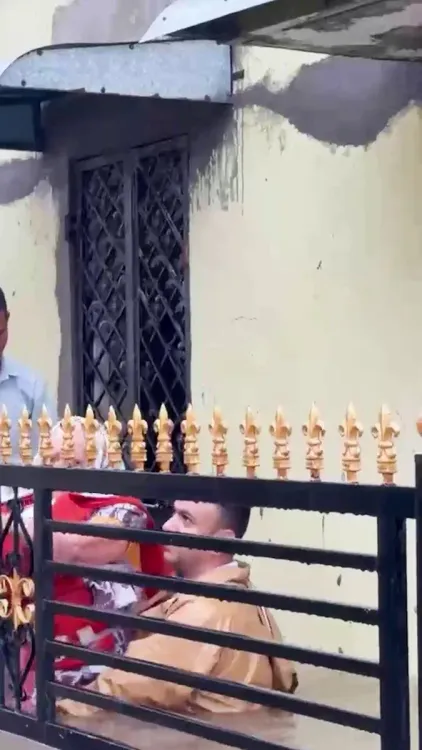
The Chief Minister's Office of Gujarat on 25 July 2026 publicly commended Ahmedabad Rural Police for risking their lives to rescue elderly persons, women, and children during severe monsoon flooding, calling the effort an outstanding example of courage and humanitarian service.
Key Takeaways
The Chief Minister's Office of Gujarat posted on 25 July 2026 commending police rescue efforts during heavy rainfall in Ahmedabad district.
Ahmedabad Rural Police conducted evacuations of elderly residents, women, and children at personal risk amid extreme monsoon conditions.
The CMO referred to officers as Aapda Mitras ('disaster friends'), invoking the National Disaster Management Authority volunteer framework.
Gujarat has formally integrated police units into flood rescue roles since its post- 2001 Bhuj earthquake disaster management reforms.
The commendation reflects a wider state pattern of publicly recognising first responders during climate-related crises to sustain morale and public trust.
Post-monsoon reviews of police training and equipment for disaster response are expected in the coming weeks.
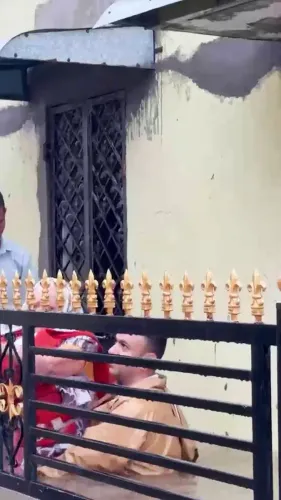
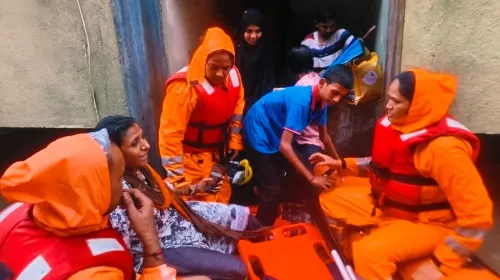
The Chief Minister's Office of Gujarat on Friday, 25 July 2026, publicly commended the Ahmedabad Rural Police for conducting emergency rescues of elderly persons, women, and children amid severe rainfall conditions, calling the effort a demonstration of courage, service, and sensitivity beyond the call of duty.
Context
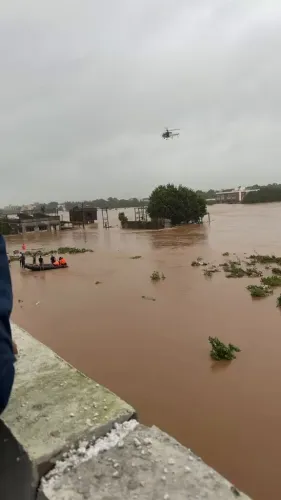
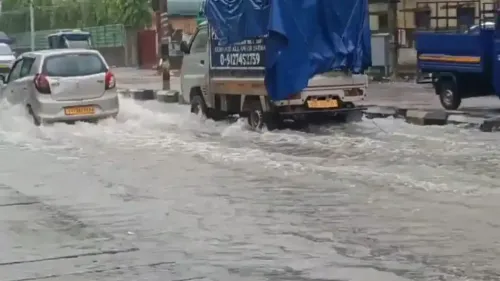
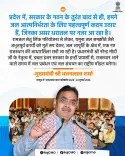
The CMO's post, written in Gujarati, described the situation as one of ativrishti (excessive rainfall), with police personnel risking their own lives to evacuate vulnerable residents from inundated areas. The post referred to the officers as Aapda Mitras — 'disaster friends' — praising their 'outstanding humanitarian work' as 'not merely duty, but an excellent example of courage, spirit of service, and sensitivity.'
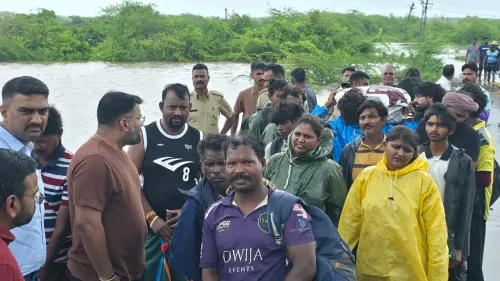
The Ahmedabad Rural Police, the district-level unit covering areas surrounding the city, carried out the highlighted rescue operations during what authorities described as extremely adverse monsoon conditions. Elderly residents, women, and children were among those evacuated safely.
Policy Backdrop
Gujarat's integration of police units into flood rescue roles has a long institutional history. Following the 2001 Bhuj earthquake, the state significantly expanded its disaster management framework, establishing multi-agency coordination protocols that formally included police personnel in civil emergency responses alongside specialised disaster teams.
The state has periodically updated its State Disaster Management Plan, with major monsoon events in the 2000s and 2010s reinforcing the role of district police in flood evacuation. The Aapda Mitra programme — a National Disaster Management Authority initiative — has further institutionalised community-level disaster response, and the CMO's use of the term to describe police officers reflects how deeply that framework has been absorbed into Gujarat's official disaster language.
Stakeholders and Impact
The immediate beneficiaries are rural residents of Ahmedabad district — particularly the elderly, women, and children identified in the post as the most vulnerable groups rescued. For Gujarat Police personnel, the public recognition from the Chief Minister's Office serves as both a morale signal and a reaffirmation of their expanded humanitarian mandate.
Broader civil society and disaster management observers note that such official acknowledgements matter in sustaining the willingness of frontline officers to take personal risks during extreme weather events. Gujarat experiences recurrent monsoon flooding across both urban and rural zones, making this integration of law enforcement into disaster relief a recurring operational necessity rather than an exception.
What's Next
Attention will now turn to the state government's post-monsoon review of preparedness, including any announcements on additional training, equipment, or manpower allocations for district police units ahead of the remaining monsoon season. The public commendation also sets a precedent for how the CMO frames first-responder recognition in climate-related crises — a pattern likely to continue as extreme weather events grow more frequent across the state.
Point of View
A shift that has institutional roots going back to the Bhuj earthquake. By invoking the Aapda Mitra label for uniformed police, the state government blurs the line between volunteer disaster responders and the force, potentially expanding public expectations of police during climate events. This messaging also serves a political function: in a state prone to monsoon flooding, associating the government with visible rescue heroism reinforces administrative credibility. The pattern is consistent with how Indian state governments increasingly use social media to shape first-responder narratives during crises.
NationPress
25 Jul 2026
Frequently Asked Questions
What did Gujarat Police do during the July 2026 heavy rains?
Ahmedabad Rural Police conducted emergency rescues of elderly persons, women, and children from flood-affected areas during severe monsoon rainfall, as commended by the Chief Minister's Office of Gujarat on 25 July 2026.
What is Aapda Mitra and why was it mentioned?
Aapda Mitra is a National Disaster Management Authority programme that trains community volunteers and responders for disaster situations. The CMO used the term to describe Gujarat Police officers, highlighting their humanitarian disaster-response role beyond traditional law enforcement.
Which police unit carried out the rescues in Ahmedabad?
The Ahmedabad Rural Police, the district-level unit covering areas surrounding Ahmedabad city, was specifically commended for the rescue operations during the heavy rainfall event.
Why does Gujarat Police get involved in flood rescues?
Following the 2001 Bhuj earthquake, Gujarat updated its State Disaster Management Plan to formally include police personnel in flood rescue and evacuation roles alongside specialised disaster teams, making it a standard part of monsoon emergency response.
What happens after the monsoon rescue operations in Gujarat?
The state government typically conducts post-monsoon reviews of disaster preparedness, which may include announcements on additional training, equipment, or manpower for district police units to strengthen future responses.