Ahmedabad stormwater drainage: AMC to float ₹900 crore tenders after record rains
Synopsis
Record rainfall — over 504 mm in Bopal alone — has forced Ahmedabad to confront a structural drainage deficit in its newly merged panchayat zones. The AMC's ₹900 crore tender plan signals that the city is finally moving beyond stopgap flood management, but the scale of the gap between legacy panchayat-era networks and a fast-expanding metropolis raises questions about how long that transition will take.
Key Takeaways
AMC plans to float tenders worth ₹900 crore for permanent stormwater drainage works in newly merged panchayat areas and western suburbs including Bopal and Ghuma .
Bopal recorded the highest rainfall at 504.3 mm (over 20 inches ); the South-West Zone averaged 458.33 mm over the event.
All 22 gates of the Vasna Barrage were opened; 550 pumps across 125 stations operated at full capacity.
Waterlogging complaints received from 126 residential societies ; 52 cleared by Friday, with work ongoing at the rest.
IMD red alert remains in force; schools, colleges, and anganwadis closed, residents advised to work from home.
Bopal and Ghuma still depend on outdated gram panchayat-era drainage networks, identified as a core infrastructure gap.
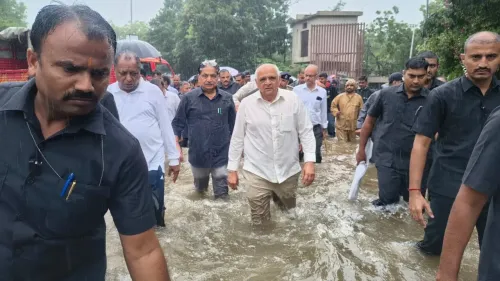
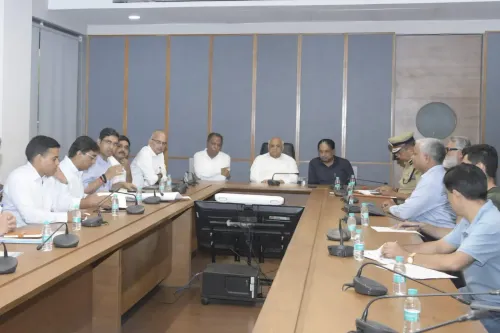
The Ahmedabad Municipal Corporation (AMC) is set to invite tenders worth approximately ₹900 crore for permanent stormwater drainage works in newly merged panchayat areas and the city's western suburbs, after record rainfall over 24–25 July exposed critical gaps in the city's drainage infrastructure. Gujarat's Minister-in-Charge for Ahmedabad district, Rushikesh Patel, made the announcement on Friday, 25 July, following a joint inspection of rain-hit localities with Chief Minister Bhupendra Patel.
What Triggered the Decision
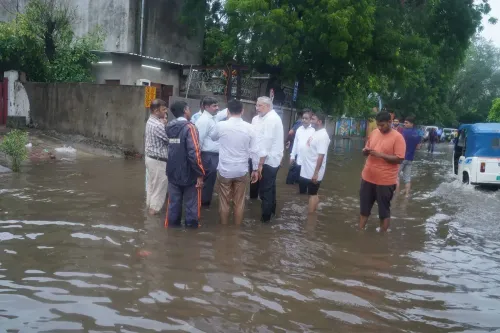
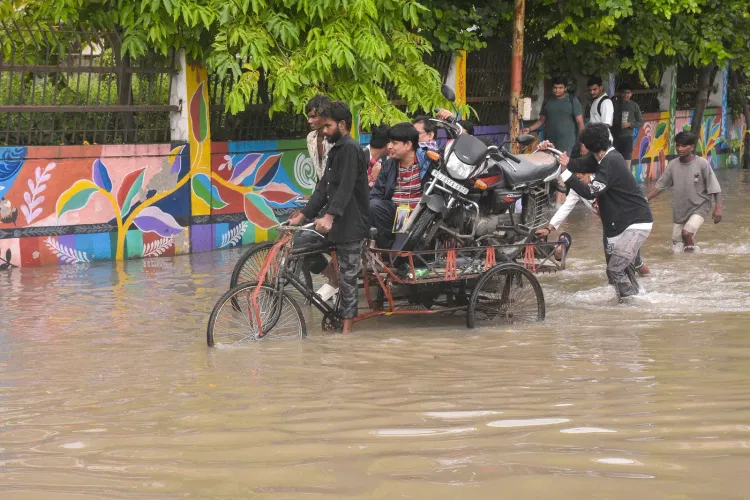
Two zones of Ahmedabad recorded unprecedented rainfall within a very short window, overwhelming existing drainage systems and causing prolonged waterlogging across residential and commercial areas. The South-West Zone bore the brunt with an average of 458.33 mm of rainfall, followed by the North-West Zone at 395.21 mm. The highest single-point rainfall was recorded in Bopal at 504.3 mm — exceeding 20 inches — according to Municipal Commissioner Banchhanidhi Pani.
Across the city, an average of 18.42 inches of rainfall was recorded, prompting authorities to open all 22 gates of the Vasna Barrage. A total of 245 pumps at 42 stormwater pumping stations and 305 pumps at 83 drainage pumping stations were deployed at full capacity.
Key Developments on the Ground
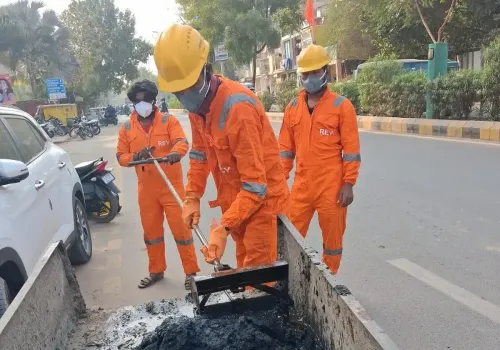
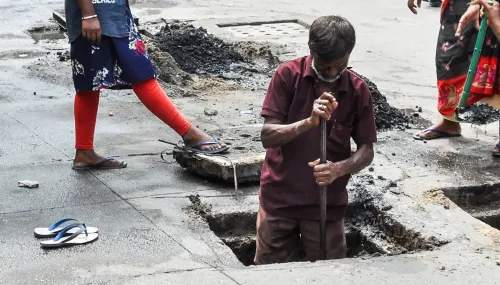
AMC's Standing Committee chairman Kamlesh Patel said waterlogging complaints were received from 126 residential societies, of which 52 had been cleared by Friday. The corporation had identified 148 waterlogging locations for priority action, with systematic clearance operations continuing at the remaining sites.
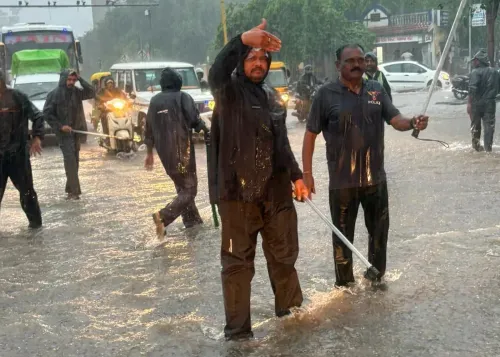
Around 40 Varun pumps were deployed across all seven municipal zones, with provision for additional units if rainfall intensified. More than 11 underpasses were shut at the peak of the deluge; by Thursday, only the Chandlodia underpass remained closed. BRTS and AMTS bus services resumed normally across most of the city, barring a few waterlogged stretches.
Officials also attended to 173 complaints of fallen trees and 46 complaints related to streetlights. Road cave-ins were reported at several locations; Minister Rushikesh Patel said repair work was being carried out on priority and that AMC was working to prevent recurrence on newly constructed roads.
The Infrastructure Gap Behind the Flooding
The flooding has brought into sharp focus a structural challenge: Bopal and Ghuma — among the worst-affected localities — still rely on the old stormwater network from their gram panchayat days, according to Municipal Commissioner Pani. As Ahmedabad has expanded and absorbed former panchayat areas into its municipal limits, the legacy drainage networks have proved inadequate for urban-scale rainfall loads.
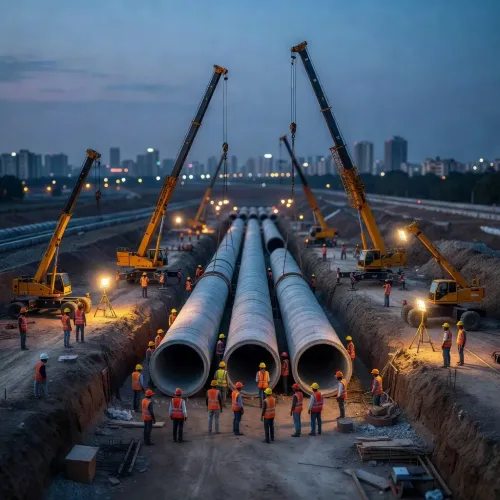
Minister Rushikesh Patel noted that flooding at previously identified black spots had reduced compared with earlier years, indicating some progress — but acknowledged that the city's rapid growth had outpaced drainage capacity. The proposed ₹900 crore tender package will cover newly merged panchayat areas, western localities including Bopal and Ghuma, and drainage lines connected to the S.P. Ring Road to improve rainwater discharge.
Precautions and Advisories in Place
With the India Meteorological Department (IMD) issuing a red alert for continued heavy rainfall, the civic administration said all precautionary measures remained active. Schools, colleges, and anganwadis have been closed, and residents have been advised to work from home where possible, avoid unnecessary travel, and follow civic advisories.
Minister Rushikesh Patel said the administration was fully prepared with additional drainage arrangements if required, adding that the target was to ensure water receded from most parts of the city by 6 pm on Friday. With the ₹900 crore tender package expected to be floated soon, the AMC is signalling a shift from reactive flood management to long-term drainage infrastructure investment.
Point of View
And what happens if the drainage works lag behind the next monsoon? Reactive crisis management after each flood event is not a substitute for a multi-year urban drainage master plan tied to Ahmedabad's growth projections.
NationPress
24 Jul 2026
Frequently Asked Questions
Why is AMC planning ₹900 crore in stormwater drainage tenders?
Record rainfall in late July exposed severe drainage deficits in Ahmedabad's newly merged panchayat areas and western suburbs such as Bopal and Ghuma, which still rely on outdated gram panchayat-era networks. The ₹900 crore tender package aims to build permanent stormwater infrastructure in these zones and along the S.P. Ring Road drainage lines.
How much rainfall did Ahmedabad receive during the July 2025 event?
Ahmedabad recorded an average of 18.42 inches of rainfall across the city. Bopal registered the highest single-point rainfall at 504.3 mm — exceeding 20 inches — while the South-West Zone averaged 458.33 mm over the event period.
What immediate measures did AMC take during the flooding?
AMC deployed 245 pumps at 42 stormwater pumping stations and 305 pumps at 83 drainage pumping stations, along with 40 Varun pumps across all seven municipal zones. All 22 gates of the Vasna Barrage were opened, and waterlogging was cleared from 52 of 126 affected residential societies by Friday.
Which areas were worst affected by the Ahmedabad flooding?
The South-West and North-West zones were the hardest hit, with Bopal and Ghuma among the most severely waterlogged localities. More than 11 underpasses were shut at the peak of the event, and 126 residential societies reported waterlogging.
What precautions are in place as more rain is forecast?
With IMD issuing a red alert for continued heavy rainfall, schools, colleges, and anganwadis remain closed. Residents have been advised to work from home, avoid unnecessary travel, and follow civic advisories. The administration says additional drainage arrangements are on standby if required.