CM Fadnavis Closes Paryavarnachi Wari-Pandharichya Dari Initiative
Synopsis
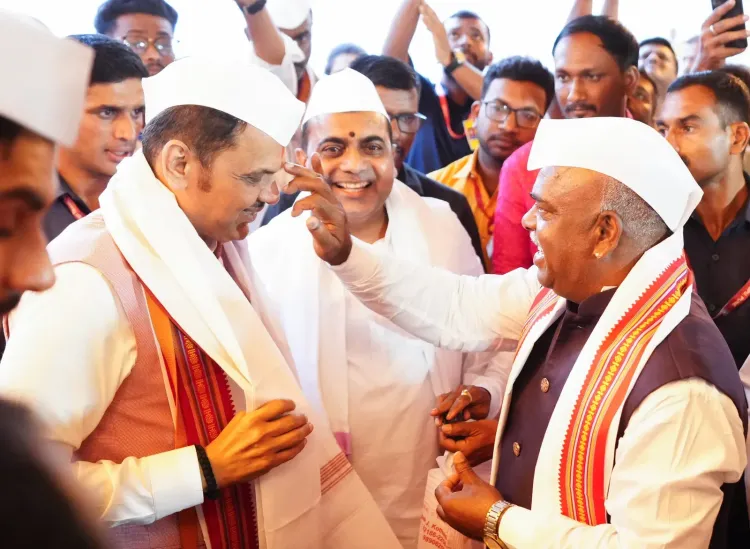
Chief Minister Devendra Fadnavis closed the 'Paryavarnachi Wari-Pandharichya Dari' environmental initiative at Pandharpur on 24 July 2026. The programme ties the annual Wari pilgrimage to sustainability and ecological awareness. Ministers Girish Mahajan and Jaykumar Gore, along with MLAs Autade and Padalkar, attended the ceremony.
Key Takeaways
CM Devendra Fadnavis presided over the closing ceremony of the 'Paryavarnachi Wari-Pandharichya Dari' initiative at Pandharpur on 24 July 2026 .
The initiative links the annual Pandharpur Wari pilgrimage to environmental awareness and sustainable practices.
Minister Girish Mahajan , Minister Jaykumar Gore , MLA Samadhan Autade , and MLA Gopichand Padalkar were present at the ceremony.
The programme reflects Maharashtra's broader strategy of embedding sustainability campaigns within major religious and cultural gatherings.
Follow-up government statements on measurable outcomes such as waste volumes and participant pledges are anticipated.
The model may be considered for extension to other state pilgrimages based on this edition's outcomes.
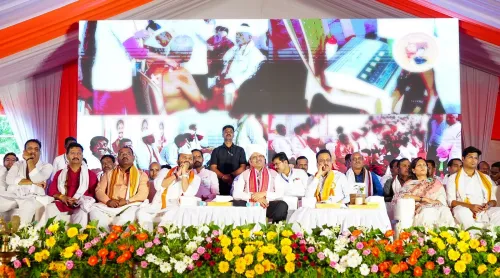
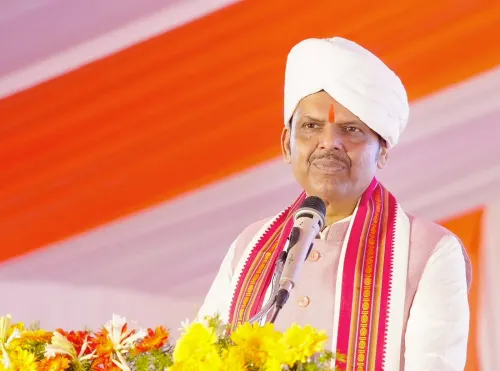
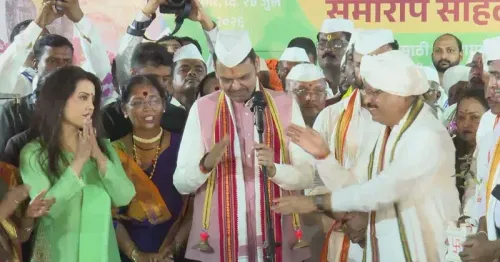
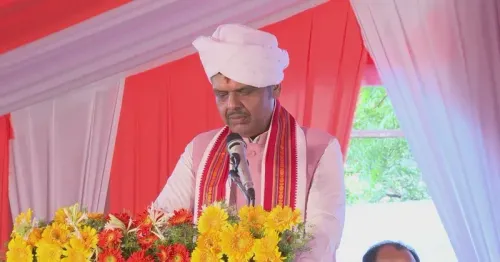
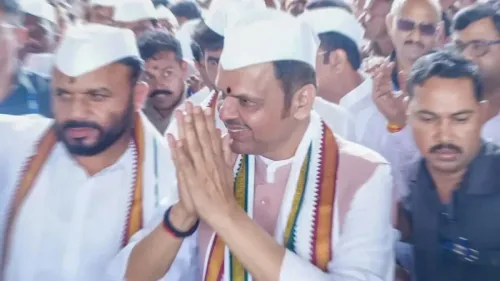
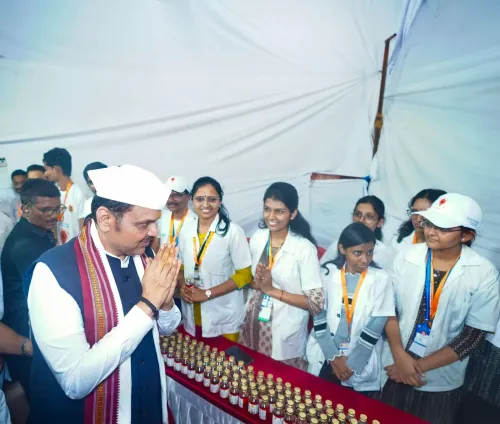
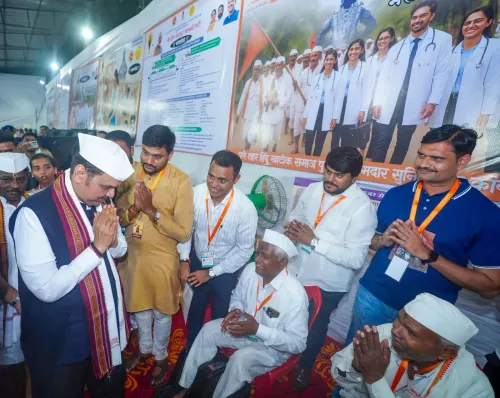
The Chief Minister's Office of Maharashtra announced that Chief Minister Devendra Fadnavis presided over the closing ceremony of the 'Paryavarnachi Wari-Pandharichya Dari' initiative at Pandharpur on 24 July 2026 at 6:45 pm. Senior ministers and legislators joined him at the event marking the conclusion of the state-backed environmental programme tied to the Pandharpur Wari pilgrimage.
Context
The initiative, whose name translates as 'Paryavarnachi Wari-Pandharichya Dari' ('An Environmental Wari at the Doorstep of Pandhari'), was conceived to channel the mass participation of the annual Wari pilgrimage toward environmental awareness and sustainable practices. Pandharpur, a major pilgrimage centre in Solapur district of Maharashtra, draws lakhs of warkaris (devotees) each year for the procession to the Vithoba temple. The closing ceremony on 24 July 2026 marked the formal conclusion of this edition of the programme.
The post confirmed the presence of Minister Girish Mahajan, Minister Jaykumar Gore, MLA Samadhan Autade, and MLA Gopichand Padalkar, alongside other dignitaries, underscoring the political weight the state government attached to the event.
Policy Backdrop
Maharashtra governments have periodically linked large religious gatherings to campaigns on waste reduction and ecological protection. The Pandharpur Wari, one of the largest annual pilgrimages in the country, presents a unique platform: the sheer volume of participants allows the state to scale environmental messaging without requiring new statutory frameworks or separate outreach infrastructure.
This approach reflects a broader pattern in Indian state governance — embedding sustainability campaigns within culturally significant events to maximise public reach. By associating the initiative with the Wari's spiritual prestige, the state aims to reinforce conservation messaging among communities that might otherwise be harder to engage through conventional government programmes.
Stakeholders and Impact
The primary stakeholders are the lakhs of warkari pilgrims who participate in the Pandharpur Wari each year, as well as the local communities of Pandharpur and surrounding areas who bear the environmental burden of mass gatherings. Waste generation, water use, and pressure on local ecosystems are recurrent concerns during pilgrimage seasons.
By closing the programme at a high-profile ceremony attended by CM Fadnavis and senior cabinet members, the state signals institutional commitment to the initiative beyond a symbolic gesture. The presence of elected representatives from the region — including MLA Samadhan Autade and MLA Gopichand Padalkar — also points to local political ownership of the programme's outcomes.
What's Next
The government is expected to release follow-up assessments detailing measurable outcomes from this edition of the initiative, such as waste collection volumes, participant pledges, or ecological surveys. Such data would be critical in determining whether the model is extended to other major state pilgrimages and cultural gatherings.
With the Wari cycle recurring annually, the closing ceremony sets the stage for a review of this year's impact before the state decides on the scope and structure of future editions. The involvement of senior ministers suggests the programme may be positioned for broader rollout across Maharashtra's pilgrimage circuit.
Point of View
The state elevates the initiative beyond a departmental exercise into a visible political commitment. The attendance of cabinet ministers and regional MLAs signals a deliberate effort to distribute ownership across the ruling coalition — useful for both electoral messaging and local accountability. The real test, however, will lie in whether the government publishes verifiable outcome data, which would distinguish this from ceremonial green-washing and set a replicable standard for festival-linked conservation campaigns across India.
NationPress
25 Jul 2026
Frequently Asked Questions
What is the Paryavarnachi Wari-Pandharichya Dari initiative?
'Paryavarnachi Wari-Pandharichya Dari' is a Maharashtra government initiative that links the annual Pandharpur Wari pilgrimage to environmental awareness, promoting sustainable practices and ecological protection among the lakhs of pilgrims who participate each year.
Where was the closing ceremony of Paryavarnachi Wari-Pandharichya Dari held?
The closing ceremony was held at Pandharpur , the major pilgrimage town in Solapur district of Maharashtra, on 24 July 2026 at 6:45 pm .
Who attended the closing ceremony of the Wari environment initiative?
Chief Minister Devendra Fadnavis presided over the ceremony. Minister Girish Mahajan , Minister Jaykumar Gore , MLA Samadhan Autade , MLA Gopichand Padalkar , and other dignitaries were also present.
What is the Pandharpur Wari?
The Pandharpur Wari is one of Maharashtra's largest annual pilgrimage processions, in which lakhs of warkari devotees walk to the Vithoba temple in Pandharpur. It is a centuries-old tradition central to the Varkari spiritual movement.
Will the Paryavarnachi Wari initiative be extended to other pilgrimages in Maharashtra?
The government has not made a formal announcement, but the involvement of senior ministers and the programme's structure suggest it could be extended to other major state pilgrimages, depending on the measurable outcomes from this edition.