CM Fadnavis closes 'Nirmal Vari, Samruddha Vari' and Charan Seva drives at Pandharpur
Synopsis
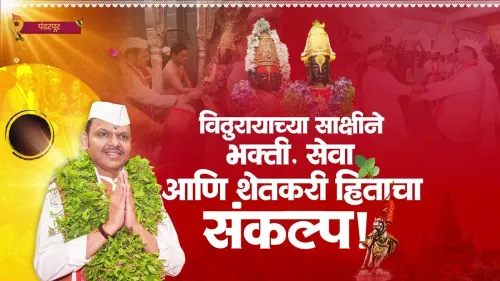
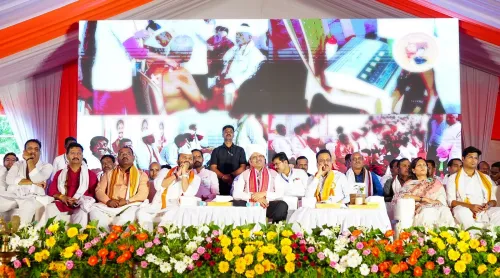
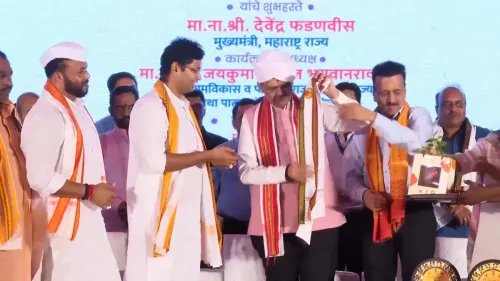
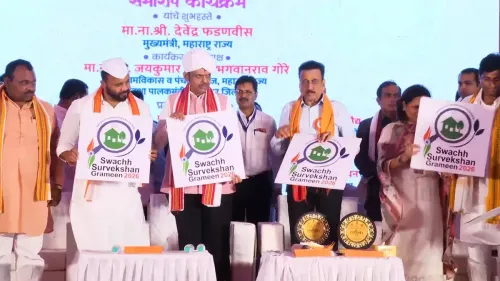
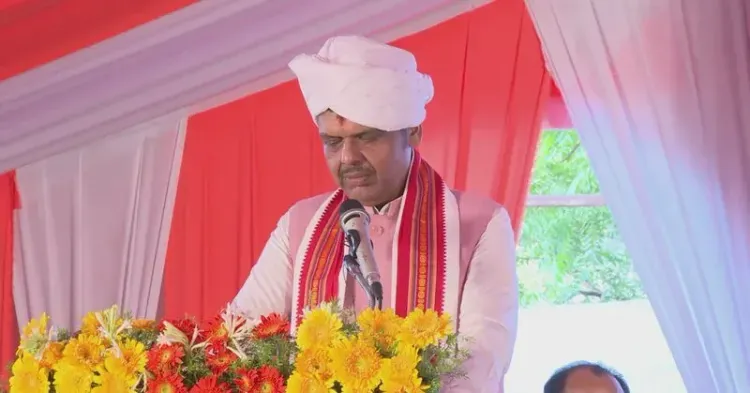
Chief Minister Devendra Fadnavis on 24 July 2026 chaired the closing ceremony of 'Nirmal Vari, Samruddha Vari' — Maharashtra's pilgrimage-linked cleanliness drive — and the 'Charan Seva' volunteer initiative of the Chief Minister's Relief Fund at Pandharpur, marking the conclusion of welfare operations during the Ashadhi Wari pilgrimage cycle.
Key Takeaways
CM Devendra Fadnavis personally presided over the closing ceremony of two pilgrimage welfare programmes at Pandharpur on 24 July 2026 .
The 'Nirmal Vari, Samruddha Vari' scheme, run by the Gram Vikas and Panchayat Raj Department , focused on cleanliness and waste management along the Wari pilgrimage route.
The 'Charan Seva' initiative, backed by the Mukhya Mantri Sahayata Nidhi (Chief Minister's Relief Fund), provided volunteer-led emergency aid and welfare services to pilgrims.
Both programmes are part of Maharashtra's long-standing practice of aligning Swachh Bharat Mission objectives with the annual Ashadhi Wari pilgrimage at Pandharpur .
Key stakeholders include lakhs of rural pilgrims, village panchayats , and frontline sanitation and relief workers deployed along Wari corridors.
Outcome reports and potential budget provisions for expanding these schemes to other pilgrimage circuits are expected in forthcoming rural development discussions.
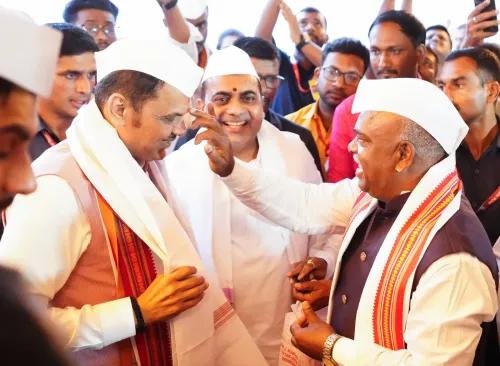
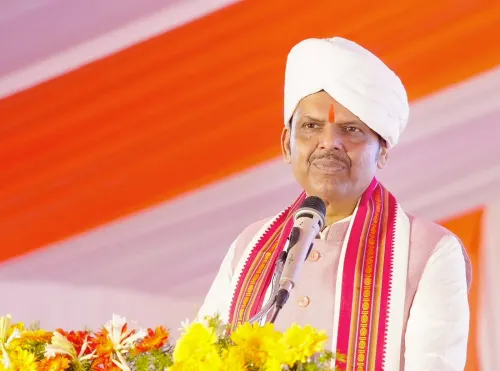
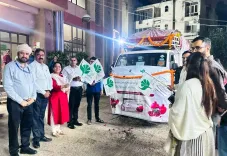
The Chief Minister's Office of Maharashtra announced on Friday, 24 July 2026 that Chief Minister Devendra Fadnavis presided over the closing ceremony of two major pilgrimage-linked welfare initiatives — the 'Nirmal Vari, Samruddha Vari' scheme of the Gram Vikas and Panchayat Raj Department and the 'Charan Seva' initiative run under the Mukhya Mantri Sahayata Nidhi (Chief Minister's Relief Fund) — at Pandharpur, the revered pilgrimage town in Solapur district, Maharashtra.
Context
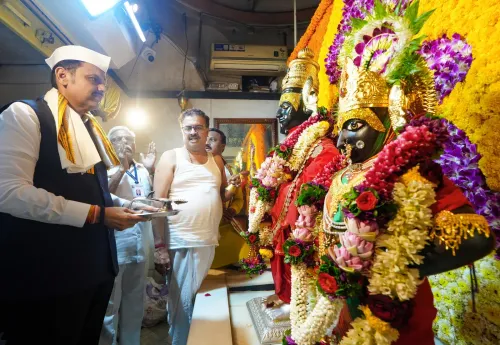
Pandharpur is the spiritual heart of the Wari tradition, drawing hundreds of thousands of warkaris (devotees) every year in a procession to the Vitthal temple. The Ashadhi Wari — the pilgrimage coinciding with the Hindu month of Ashadha — is one of Maharashtra's largest annual mass gatherings, making it both a cultural landmark and a significant public-health and logistics challenge for state authorities.
The Gram Vikas and Panchayat Raj Department launched 'Nirmal Vari, Samruddha Vari' as a state initiative centred on cleanliness, solid-waste management and community welfare along the Wari route and at the Pandharpur site itself. The 'Charan Seva' programme, supported by the Chief Minister's Relief Fund, mobilised volunteers to provide on-ground assistance and emergency aid to pilgrims throughout the pilgrimage period.
Policy Backdrop
Maharashtra has woven sanitation drives into the Wari calendar since at least the mid-2010s, aligning successive campaigns with the objectives of the Swachh Bharat Mission. The logic is straightforward: a single pilgrimage cycle concentrates a vast rural population along defined corridors, giving panchayat institutions a measurable, time-bound window to demonstrate sanitation and service-delivery capacity.
The Chief Minister's Relief Fund has supported seva initiatives at Pandharpur in earlier pilgrimage cycles through the 2010s and 2020s, making 'Charan Seva' a continuation of an established relief-outreach model rather than an entirely new programme. CM Fadnavis, who previously held the chief ministerial office from 2014 to 2019, has been a consistent proponent of linking rural development mandates to large cultural gatherings.
Stakeholders and Impact
The primary beneficiaries of both initiatives are the lakhs of pilgrims who walk the Wari routes — many of them from rural Maharashtra — as well as the village panchayats and sanitation workers deployed along the way. For panchayat institutions, the Wari provides a high-visibility occasion to operationalise waste-management infrastructure and volunteer networks that can then be sustained beyond the pilgrimage season.
The 'Charan Seva' cell under the Mukhya Mantri Sahayata Nidhi specifically targets emergency medical and welfare needs of elderly and vulnerable pilgrims, channelling relief-fund resources toward frontline volunteer service. The closing ceremony, chaired personally by CM Fadnavis, signals the government's intent to treat the programme's conclusion as an accountability milestone rather than a routine administrative wrap-up.
What's Next
Attention will now turn to implementation reports covering sanitation outcomes, volunteer deployment numbers and relief disbursements from the 2026 Ashadhi Wari cycle. Any budgetary provisions for expanding 'Charan Seva' coverage or scaling the 'Nirmal Vari, Samruddha Vari' model to other pilgrimage circuits in Maharashtra are expected to surface in the forthcoming rural development budget discussions. The government's ability to publish transparent outcome data will determine whether this edition of the programme advances the state's broader rural sanitation and panchayat-strengthening agenda.
Point of View
Personally chairing the wrap-up event reinforces his administration's positioning on rural development and public service, building on a policy lineage he helped establish during his earlier tenure. The dual-programme structure — one departmental, one relief-fund-driven — also reflects an effort to institutionalise volunteer seva within the formal government machinery rather than leaving it to ad-hoc civil-society mobilisation. Whether the model scales meaningfully beyond the Wari will depend on the transparency and reach of the outcome data the government chooses to publish.
NationPress
22 Oct 2026
Frequently Asked Questions
What is 'Nirmal Vari, Samruddha Vari' in Maharashtra?
'Nirmal Vari, Samruddha Vari' is a Maharashtra government scheme run by the Gram Vikas and Panchayat Raj Department to promote cleanliness, solid-waste management and community welfare along the annual Wari pilgrimage route to Pandharpur.
What is Charan Seva under the Chief Minister's Relief Fund?
'Charan Seva' is a volunteer service initiative supported by the Mukhya Mantri Sahayata Nidhi (Chief Minister's Relief Fund) that provides emergency aid and welfare assistance to pilgrims during the Wari pilgrimage at Pandharpur.
Why did CM Devendra Fadnavis attend the Pandharpur event on 24 July 2026?
CM Devendra Fadnavis presided over the closing ceremony of the 'Nirmal Vari, Samruddha Vari' and 'Charan Seva' programmes, marking the conclusion of government welfare operations during the 2026 Ashadhi Wari pilgrimage cycle.
What is the Wari pilgrimage and why does the Maharashtra government run programmes during it?
The Wari is an annual Hindu pilgrimage to the Vitthal temple in Pandharpur, Solapur district, attracting lakhs of devotees. The Maharashtra government uses the pilgrimage period to scale up sanitation and relief-fund outreach because the mass gathering provides a concentrated, time-bound opportunity to reach rural communities.
Is 'Nirmal Vari, Samruddha Vari' linked to Swachh Bharat Mission?
Yes, the scheme aligns with the objectives of the Swachh Bharat Mission. Maharashtra has run cleanliness campaigns during the Wari since at least the mid-2010s, progressively integrating them with national sanitation goals and panchayat-level governance mandates.