CM Fadnavis Offers Mahapuja at Pandharpur on Ashadhi Ekadashi
Synopsis
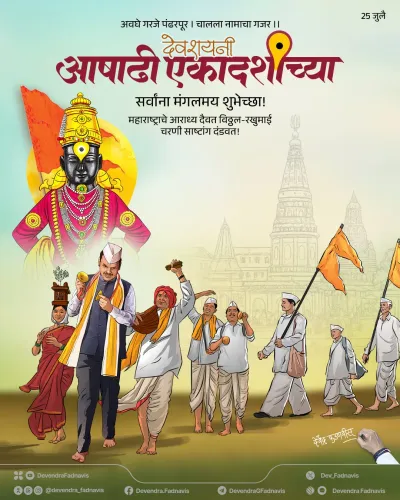
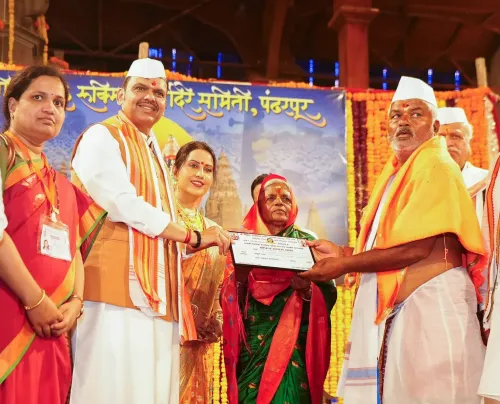
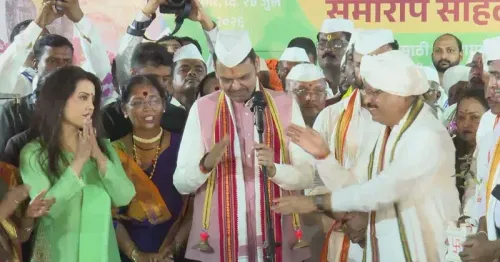
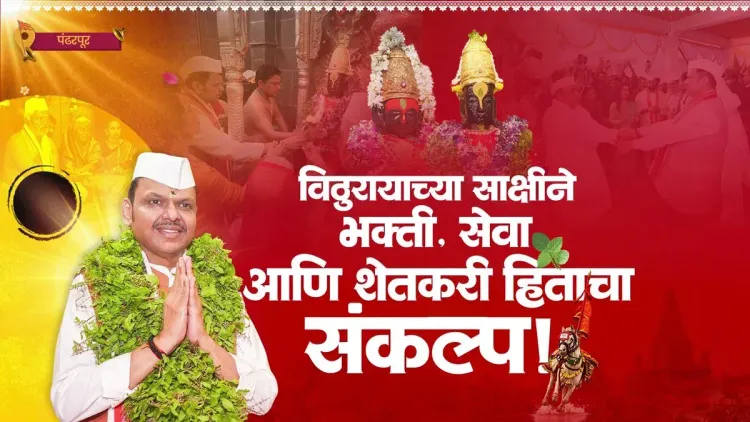
Maharashtra Chief Minister Devendra Fadnavis performed the Mahapuja at the Vitthal temple in Pandharpur on Ashadhi Ekadashi (24–25 July 2026), sharing highlights of the occasion and reaffirming the state government's commitment to a sustainable, eco-friendly Nirmal Wari pilgrimage.
Key Takeaways
CM Devendra Fadnavis attended the Ashadhi Ekadashi observance at Pandharpur on 24–25 July 2026 .
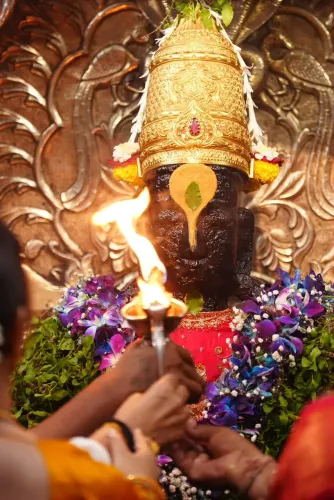
He performed the Mahapuja at the Vitthal temple and prayed for Maharashtra's all-round development.
Fadnavis reaffirmed the state's commitment to a sustainable, eco-friendly and Nirmal Wari pilgrimage.
The Nirmal Wari campaign has been a Maharashtra government initiative for over a decade, focusing on cleanliness, hygiene, and waste management during the Wari.
The Wari draws hundreds of thousands of varkari pilgrims to Pandharpur annually, making public-health and environmental management a key state priority.
Maharashtra Chief Minister Devendra Fadnavis participated in the Ashadhi Ekadashi observance at Pandharpur on 24–25 July 2026, performing the Mahapuja at the Vitthal temple and reaffirming the state's commitment to a sustainable, clean Wari pilgrimage.
Context
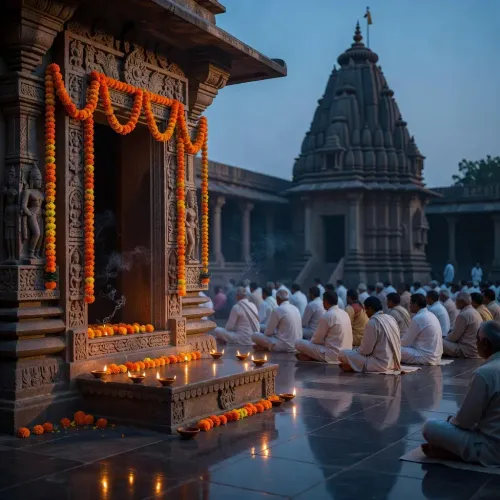
Ashadhi Ekadashi — the eleventh day of the bright fortnight in the Hindu month of Ashadh — is one of Maharashtra's most significant religious occasions. It marks the beginning of Chaturmas, the four-month period of spiritual observance, and draws hundreds of thousands of varkaris (devotees) to the temple town of Pandharpur in Solapur district for the annual Wari procession.
Fadnavis shared what he described as 'unforgettable moments' from his participation, posting in both English and Marathi. In Marathi, he wrote of 'embracing the resolve for an eco-friendly, health-promoting and Nirmal Wari' — paryavaranpurak, arogyaadayi aani Nirmal Warichi sankalp — before performing the Mahapuja and praying at the feet of VithuMauli for Maharashtra's all-round development.
Policy Backdrop
The Nirmal Wari campaign is an ongoing Maharashtra government initiative that promotes cleanliness, hygiene, and reduced environmental impact during the Pandharpur pilgrimage. State authorities have run successive waste-management and sanitation drives under this banner for more than a decade, reflecting a broader policy of integrating public-health measures into large-scale religious events.
Maharashtra governments have progressively aligned eco-friendly messaging with the Wari cycle, covering areas such as solid-waste disposal, single-use plastic reduction, and drinking-water access along pilgrimage routes. Chief ministerial presence at the Vitthal temple has become a recurring feature of the Ashadhi Ekadashi calendar, combining cultural participation with the promotion of state development priorities.
Stakeholders and Impact
The Wari draws pilgrims — known as varkaris — from across Maharashtra and beyond, making Pandharpur one of the state's most consequential annual gatherings from both a logistical and public-health standpoint. Residents of Pandharpur and surrounding villages are directly affected by the footfall, waste generation, and infrastructure demands of the event.
For the BJP-led state government, visible participation in the Wari carries both cultural and political significance. The Varkari tradition commands deep reverence across caste and class lines in Maharashtra, and senior leaders' attendance at Mahapuja is closely watched by devotees and political observers alike.
What's Next
Attention will now turn to the rollout details of any new waste-management, green-procurement, or public-health measures announced for the current Wari cycle, as well as whether dedicated budget allocations follow the Chief Minister's stated commitment to a 'sustainable and Nirmal Wari.' The next major pilgrimage milestone on the Varkari calendar is Kartiki Ekadashi, which will serve as a gauge of how far the government's eco-friendly pledges translate into on-ground action.
Point of View
The CM ties a devotional moment to a tangible policy identity — one that speaks to both the Varkari community's sensibilities and urban voters concerned with public hygiene. The move also signals that the BJP-led government intends to keep environmental stewardship of religious events as a visible part of its administrative record. How the Nirmal Wari commitments translate into measurable outcomes before Kartiki Ekadashi will determine whether the pledge carries policy weight or remains largely symbolic.
NationPress
24 Oct 2026
Frequently Asked Questions
What is Ashadhi Ekadashi and why is it significant in Maharashtra?
Ashadhi Ekadashi is the eleventh day of the bright fortnight in the Hindu month of Ashadh and marks the start of the four-month Chaturmas period. It is the most important day of the Pandharpur Wari pilgrimage, drawing hundreds of thousands of Varkari devotees to the Vitthal temple in Pandharpur.
What is the Nirmal Wari campaign?
Nirmal Wari is a Maharashtra government initiative promoting cleanliness, hygiene, and reduced environmental impact during the annual Pandharpur Wari pilgrimage. It covers waste management, sanitation, and efforts to reduce single-use plastics along pilgrimage routes, and has been active for over a decade.
What did CM Devendra Fadnavis do at Pandharpur on Ashadhi Ekadashi 2026?
CM Devendra Fadnavis performed the Mahapuja at the Vitthal temple in Pandharpur on 24–25 July 2026, offered prayers for Maharashtra's all-round development, and reaffirmed the state's commitment to a sustainable and Nirmal Wari.
Where is Pandharpur and why is it important?
Pandharpur is a pilgrimage town in Maharashtra's Solapur district, home to the ancient Vitthal (Vithoba) temple. It is the endpoint of the Wari procession and one of Maharashtra's most sacred religious sites for the Varkari community.
What is the Mahapuja at the Vitthal temple?
The Mahapuja is a grand ritual worship ceremony performed at the Vitthal temple in Pandharpur. On Ashadhi Ekadashi, senior dignitaries and state officials traditionally perform or attend the Mahapuja as a mark of devotion and cultural respect.