CM Fadnavis closes Pandharpur eco-awareness drive
Synopsis
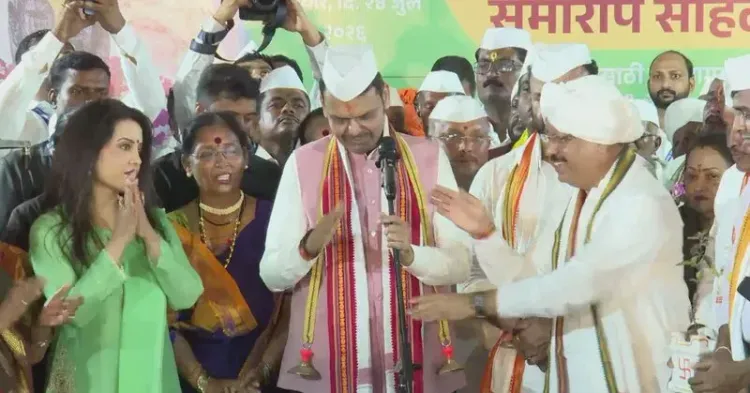
Chief Minister Devendra Fadnavis presided over the closing ceremony of 'Paryavaranachi Wari Pandharichya Dari', Maharashtra's environmental awareness drive anchored at the Pandharpur pilgrimage, using the Wari's mass gathering to deliver sustainability messaging across the state.
Key Takeaways
Chief Minister Devendra Fadnavis was the chief guest at the closing ceremony of 'Paryavaranachi Wari Pandharichya Dari' on 25 July 2026 .
The campaign used the Pandharpur Wari pilgrimage — one of Maharashtra's largest annual religious gatherings — as a platform for environmental public outreach.
Pandharpur is located in Solapur district and hosts the iconic Vitthal temple , drawing hundreds of thousands of devotees each year.
Maharashtra has linked civic and environmental messaging to the Wari pilgrimage since at least 2014 under the Swachh Bharat Abhiyan framework.
Key stakeholders include Wari pilgrims and Pandharpur residents , who serve as both audience and carriers of the awareness message to their home districts.
Follow-up assessments of campaign reach and potential new state environmental schemes tied to pilgrimage routes are expected.
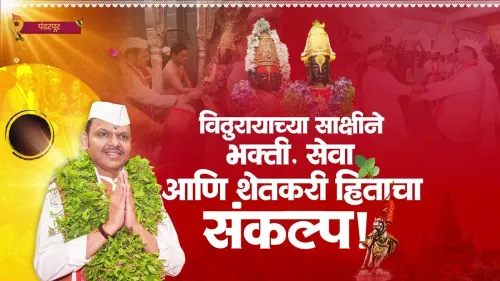
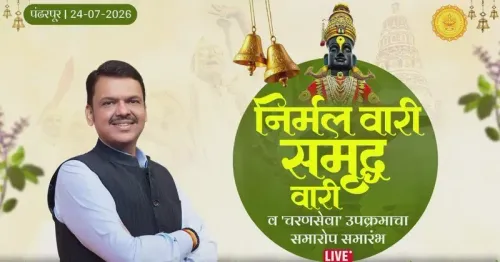
The Chief Minister's Office of Maharashtra announced on Friday, 25 July 2026, that Chief Minister Devendra Fadnavis was the chief guest at the closing ceremony of 'Paryavaranachi Wari Pandharichya Dari' ('Environment's Wari at Pandharpur's Doorstep'), a state-run environmental awareness initiative centred on the sacred pilgrimage town of Pandharpur.
Context
The initiative, titled 'Paryavaranachi Wari Pandharichya Dari', was designed as a public outreach campaign to embed environmental consciousness within the cultural fabric of the Wari pilgrimage — one of Maharashtra's largest annual religious gatherings. Pandharpur, located in Solapur district, draws hundreds of thousands of warkari devotees each year to the Vitthal temple, making it a high-visibility venue for mass awareness drives.
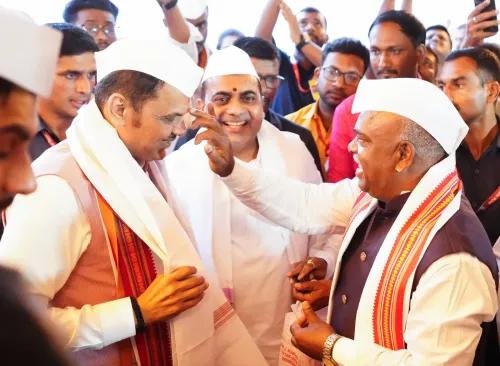
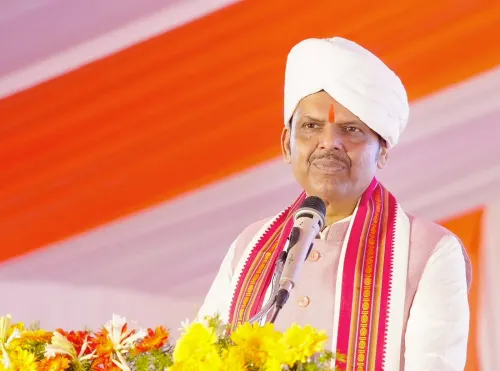
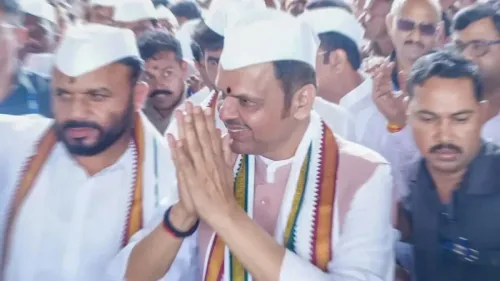
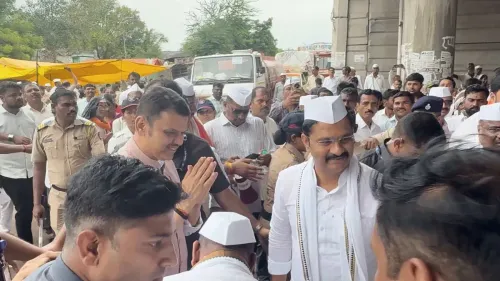
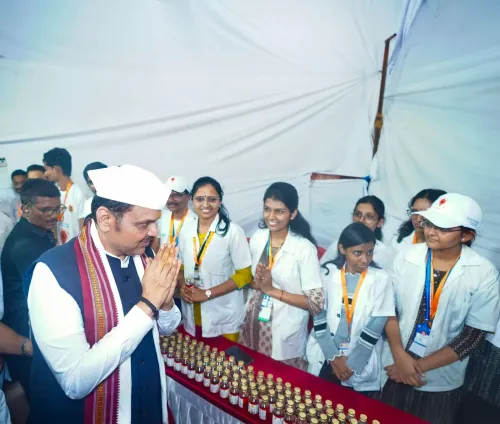
Chief Minister Devendra Fadnavis presided over the concluding event, signalling the state government's direct engagement with the campaign. His presence at the samaropa sohala (closing ceremony) underscored the administration's intent to give the initiative political and institutional weight.
Policy Backdrop
Maharashtra has a documented history of attaching public welfare messaging to the Wari pilgrimage cycle. Since the rollout of the Swachh Bharat Abhiyan in 2014, successive state governments have leveraged the pilgrimage's scale — and its built-in mass audience — to advance cleanliness, public health, and sustainability goals along pilgrimage routes.
This approach reflects a broader pattern across Indian states: integrating environmental and civic messaging into large religious and cultural events, where the congregation of citizens from diverse regions offers an unmatched outreach opportunity. The Wari, with its deep spiritual resonance among rural and semi-urban Maharashtra, provides a platform that conventional government campaigns rarely match in reach or trust.
Stakeholders and Impact
The primary beneficiaries and participants of the campaign are Wari pilgrims and Pandharpur residents, who are both the audience and the agents of any behavioural change the initiative seeks to promote. Pilgrims travelling from across Maharashtra carry awareness messages back to their home districts, effectively extending the campaign's geographic footprint beyond Solapur.
Environmental campaigns tied to pilgrimage routes typically address issues such as solid waste management, water body conservation, and reduction of single-use plastics — concerns particularly acute along the Bhima river corridor that runs through Pandharpur. The closing ceremony marks the formal end of this campaign cycle, though the state has not yet detailed specific measurable outcomes.
What's Next
Attention will now turn to any follow-up assessments the state government commissions to gauge the campaign's reach and behavioural impact among pilgrims. Observers will also watch for announcements of dedicated environmental schemes linked to pilgrimage infrastructure — a logical next step if the administration intends to institutionalise this model beyond a single campaign cycle.
Whether the Fadnavis government formalises 'Paryavaranachi Wari Pandharichya Dari' as an annual fixture alongside the Wari calendar, or expands it to other major pilgrimages in Maharashtra, will be a key indicator of the state's long-term environmental outreach strategy.
Point of View
Fadnavis signals that the initiative carries political priority, not merely bureaucratic routine. This fits a broader pattern in Indian governance where mass religious gatherings are increasingly viewed as force-multipliers for public campaigns, from sanitation to vaccination. The real test will be whether the campaign translates into measurable environmental outcomes along the Bhima river corridor, or remains primarily a visibility exercise.
NationPress
23 Oct 2026
Frequently Asked Questions
What is 'Paryavaranachi Wari Pandharichya Dari'?
'Paryavaranachi Wari Pandharichya Dari' is a Maharashtra government environmental awareness initiative that uses the Pandharpur Wari pilgrimage as a platform to spread sustainability and ecological consciousness among pilgrims and local residents.
Why was the campaign held at Pandharpur?
Pandharpur is Maharashtra's most prominent pilgrimage centre, drawing hundreds of thousands of Wari devotees annually to the Vitthal temple, making it an ideal venue for mass public outreach campaigns.
What did CM Devendra Fadnavis do at the event?
Chief Minister Devendra Fadnavis served as the chief guest and presided over the closing ceremony, known as the samaropa sohala , of the environmental awareness drive on 25 July 2026.
How does Maharashtra use the Wari pilgrimage for public campaigns?
Since 2014, Maharashtra has periodically attached cleanliness, public health, and environmental messaging to the Wari pilgrimage under frameworks like the Swachh Bharat Abhiyan, leveraging the event's large and diverse audience.
What happens after the campaign closes?
The state is expected to conduct follow-up assessments of the campaign's reach and may announce dedicated environmental schemes tied to pilgrimage routes, depending on the administration's plans to institutionalise the model.