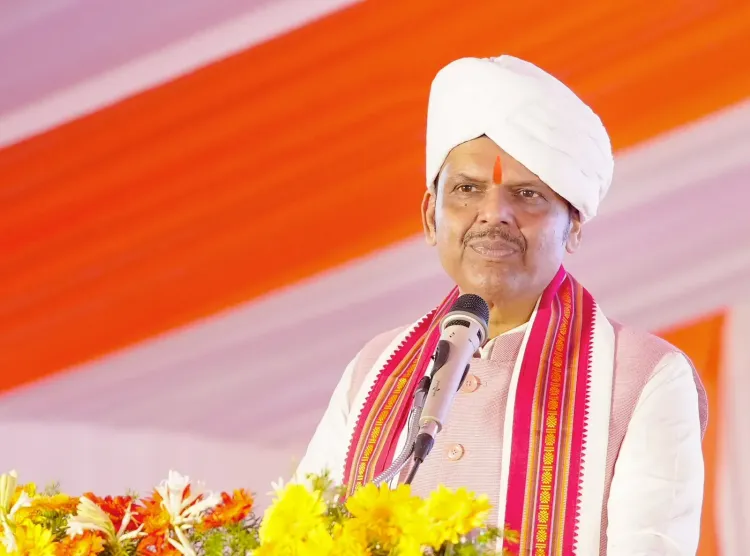
CM Fadnavis at Nirmal Wari and Charan Seva closing ceremony in Pandharpur
Synopsis
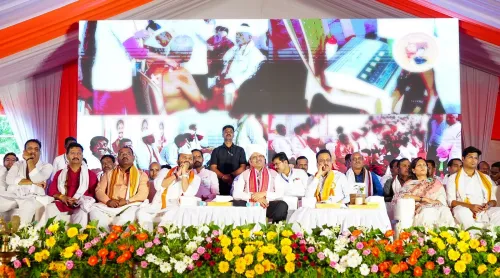
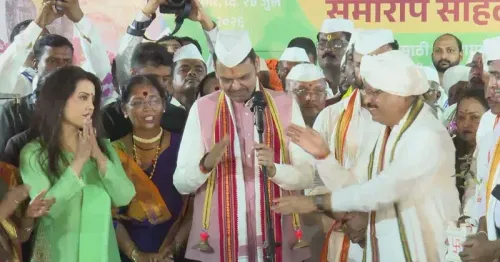
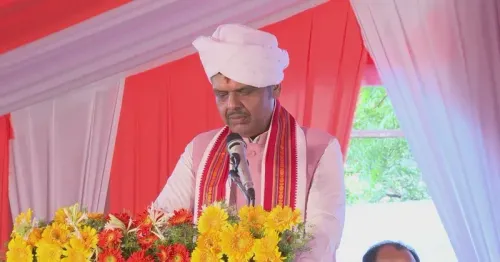
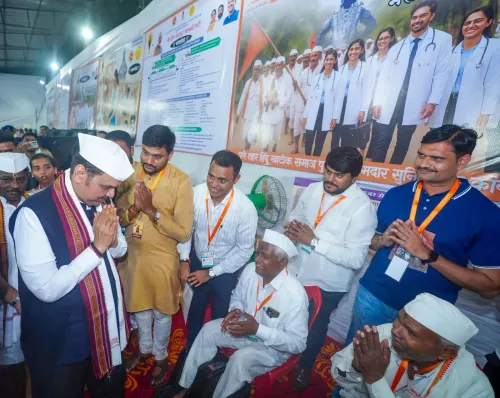
Chief Minister Devendra Fadnavis presided over the closing ceremony of Maharashtra's Nirmal Wari sanitation drive and Charan Seva medical assistance initiative at Pandharpur on 24 July 2026, marking the conclusion of two welfare programmes aligned with the annual Ashadhi Wari pilgrimage.
Key Takeaways
CM Devendra Fadnavis attended the closing ceremony of Nirmal Wari and Charan Seva at Pandharpur on 24 July 2026 .
Nirmal Wari is a cleanliness campaign run by Maharashtra's Rural Development and Panchayat Raj Department during the Ashadhi Wari pilgrimage.
Charan Seva is a medical assistance initiative operated by the Chief Minister's Medical Assistance Cell for Warkari pilgrims.
Senior ministers including Girish Mahajan and Jaykumar Gore , along with several MLAs, were present at the ceremony.
Both programmes continue a Maharashtra tradition of deploying sanitation and health services at the Pandharpur pilgrimage site, rooted in the Swachh Bharat Mission framework.
The government may consider extending these models to other state pilgrimages such as Jyotirlinga yatras.
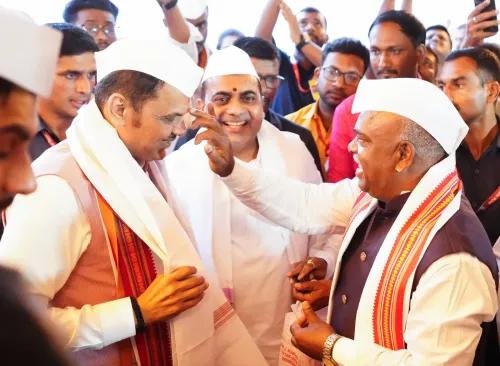
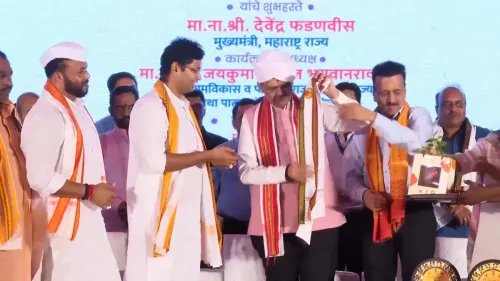
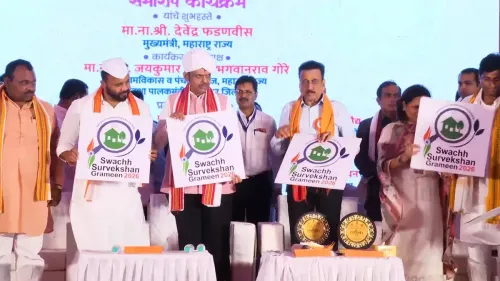
Chief Minister Devendra Fadnavis attended the closing ceremony of two welfare initiatives — the Rural Development and Panchayat Raj Department's 'Nirmal Wari' cleanliness campaign and the Chief Minister's Medical Assistance Cell's 'Charan Seva' programme — at Pandharpur on 24 July 2026 at 4:45 pm. The ceremony marked the conclusion of both drives, which ran alongside the annual Ashadhi Wari pilgrimage.
The Chief Minister's Office shared the event on X with a Marathi couplet that translates as: 'Jhadu ghewuni haati, swachhata ti kari | Swacchhatecha sankalp, nandato Pandhari' — 'Taking the broom in hand, cleanliness is done; the resolve of cleanliness thrives in Pandharpur.' The verse frames the Nirmal Wari initiative within the devotional ethos of the Wari pilgrimage itself.
Context
Pandharpur, situated in Solapur district, is Maharashtra's foremost Vaishnava pilgrimage centre, drawing lakhs of Warkari devotees every year during the Ashadhi Ekadashi and Kartiki Ekadashi fairs. The sheer scale of the pilgrimage — with processions arriving from across the state — creates acute demands on sanitation infrastructure and public health services. The closing ceremony of Nirmal Wari and Charan Seva signals the formal end of the state government's operational deployment for this cycle.
Policy Backdrop
Maharashtra's tradition of linking sanitation campaigns to the Wari dates to the Sant Gadge Baba Swachhata Abhiyan in the early 2000s, which promoted village-level cleanliness along pilgrimage routes. After the launch of the national Swachh Bharat Mission in 2014, state governments formalised the integration of sanitation drives into major public gatherings, including religious pilgrimages. The Nirmal Wari programme by the Rural Development and Panchayat Raj Department is a direct descendant of this lineage, targeting waste management and open-defecation-free norms along Wari routes and at the Pandharpur site. Charan Seva, run by the Chief Minister's Medical Assistance Cell, complements this by providing medical camps and health outreach for pilgrims who travel long distances on foot.
Stakeholders and Impact
The primary beneficiaries of both initiatives are Warkari pilgrims and the rural panchayats through which Wari processions pass. Sanitation drives reduce disease burden at densely congregated sites, while medical assistance camps address foot injuries, dehydration, and other ailments common among those who walk hundreds of kilometres to reach Pandharpur. Minister Girish Mahajan, Minister Jaykumar Gore, MLC Rajendra Raut, MLA Samadhan Autade, and MLA Gopichand Padalkar were among the senior officials and elected representatives present at the closing ceremony, reflecting the cross-departmental character of the effort.
What's Next
With the Ashadhi Wari cycle concluded, attention will turn to whether the state government extends the Nirmal Wari and Charan Seva models to other major Maharashtra pilgrimages, including Jyotirlinga yatras. Analysts will also watch whether the operational learnings from these programmes feed into the state's next budget allocations for rural sanitation and public health infrastructure. The government's sustained political and administrative focus on Pandharpur suggests these welfare deployments will remain a fixture of Maharashtra's pilgrimage governance calendar.
Point of View
Maximising both public health impact and political optics. CM Fadnavis's personal presence at the closing ceremony underscores the ruling dispensation's effort to project administrative responsiveness to the Warkari community, a numerically and symbolically significant constituency in Maharashtra. The cross-departmental structure — rural development handling sanitation, the CM's own medical cell handling health — signals coordinated governance rather than siloed programme delivery. If these models are extended to other pilgrimages, they could become a template for Maharashtra's broader approach to welfare at mass gatherings.
NationPress
23 Oct 2026
Frequently Asked Questions
What is Nirmal Wari in Maharashtra?
Nirmal Wari is a cleanliness and sanitation campaign run by Maharashtra's Rural Development and Panchayat Raj Department during the annual Pandharpur Wari pilgrimage, targeting waste management and open-defecation-free norms along pilgrimage routes.
What is Charan Seva and who runs it?
Charan Seva is a medical assistance initiative operated by the Chief Minister's Medical Assistance Cell, providing health camps and medical support to Warkari pilgrims who travel to Pandharpur, often on foot over long distances.
Why did CM Devendra Fadnavis go to Pandharpur on 24 July 2026?
CM Devendra Fadnavis attended the closing ceremony of the Nirmal Wari sanitation drive and the Charan Seva medical assistance programme at Pandharpur on 24 July 2026, marking the formal conclusion of both welfare initiatives for the Ashadhi Wari cycle.
What is the Ashadhi Wari pilgrimage?
Ashadhi Wari is the annual pilgrimage to Pandharpur in Maharashtra, observed on Ashadhi Ekadashi, during which lakhs of Warkari devotees walk in processions from across the state to the Vitthal temple.
Which ministers attended the Nirmal Wari closing ceremony in Pandharpur?
Ministers Girish Mahajan and Jaykumar Gore, MLC Rajendra Raut, and MLAs Samadhan Autade and Gopichand Padalkar were among the dignitaries present at the closing ceremony alongside CM Devendra Fadnavis.