CM Fadnavis closes Nirmal Wari, Charanaseva drives at Pandharpur
Synopsis
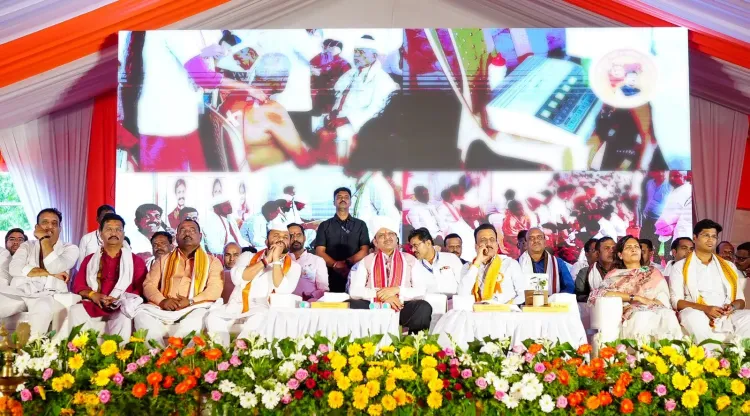
Chief Minister Devendra Fadnavis presided over the conclusion of Maharashtra's Nirmal Wari sanitation drive and Charanaseva medical programme at Pandharpur on 25 July 2026, citing 5,000 mobile toilets, a cleaned Chandrabhaga River, and care for 30-35 lakh Warkaris across 14 districts.
Key Takeaways
The Nirmal Wari and Charanaseva concluding ceremony was held at Pandharpur on 25 July 2026 under CM Devendra Fadnavis .
Nirmal Wari was first launched in 2016 and received dedicated budgetary support in the 2017 Maharashtra state budget .
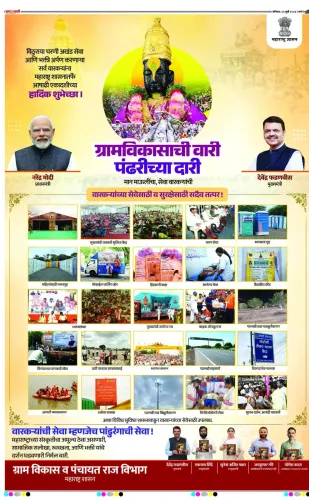
This year's drive covered 14 districts along the pilgrimage corridor with 5,000 mobile toilets and clean drinking-water facilities.
The Chandrabhaga River and Pandharpur's sandy riverbank were cleaned to handle an influx of 30–35 lakh Warkaris .
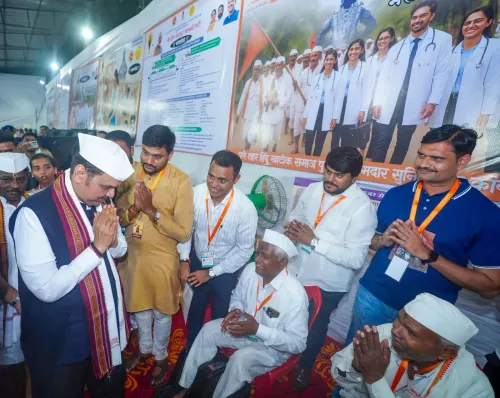
Charanaseva , run through the Chief Minister's Medical Assistance Cell, deployed young doctors and volunteers to provide foot-care and medical relief to fatigued pilgrims.
Ministers Girish Mahajan and Jaikumar Gore and three MLAs attended the ceremony.
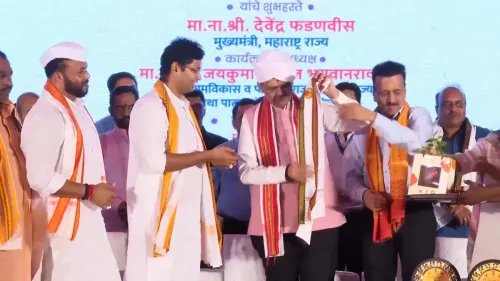
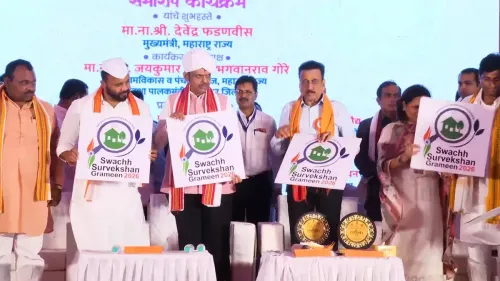
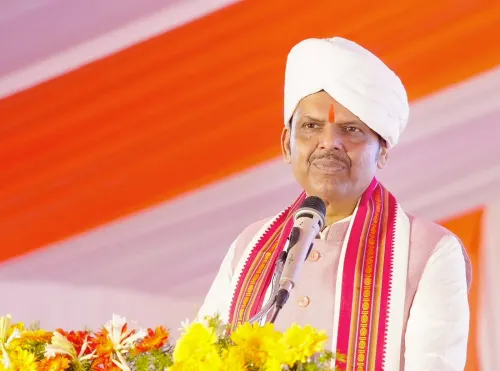
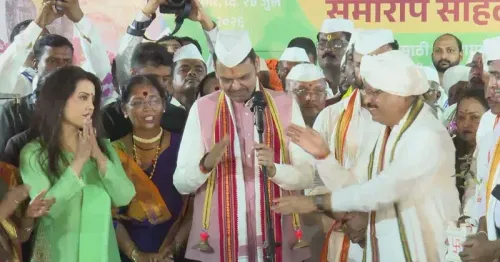
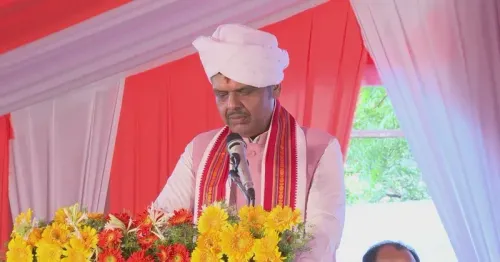
The Chief Minister's Office of Maharashtra announced on Friday, 25 July 2026 that the concluding ceremony of the Nirmal Wari cleanliness initiative and the Charanaseva medical-assistance programme was held at Pandharpur, with Chief Minister Devendra Fadnavis presiding over the event.
Context
Speaking at the ceremony, CM Fadnavis underscored the unbroken continuity of the Wari tradition: 'वारीची परंपरा प्राचीन काळापासून शतकानुशतके अखंड सुरू आहे' ('The tradition of the Wari has continued uninterrupted for centuries since ancient times'). He noted that lakhs of Warkaris from Maharashtra and neighbouring states undertake the Ashadhi and Kartiki Wari on foot each year, carrying the banner of Bhagavat Dharma to Pandharpur. The Chief Minister emphasised that this pilgrimage endured even through Mughal invasions and British rule.
Fadnavis described Pandharpur as the 'capital of the path of devotion' and called it the state government's duty to provide the best possible services and facilities to Warkaris in a progressive state like Maharashtra.
Policy Backdrop
The Nirmal Wari programme was first launched in 2016 by the Gram Vikas and Panchayati Raj Department to address sanitation, disease, and odour problems in villages along the Palkhi route and in Pandharpur itself. Budgetary provisions to expand the scheme were incorporated into the Maharashtra state budget of 2017, broadening its reach and resources. This year's drive covered 14 districts along the pilgrimage corridor, with the CM noting that Warkaris themselves expressed satisfaction with the arrangements.
Facilities deployed this season included 5,000 mobile toilets, potable drinking-water supply, and essential sanitation infrastructure. The Chandrabaga River flowing through Pandharpur was cleaned, and the vaLavanat (sandy riverbank area) at Pandharpur was cleared. Authorities also ensured that Pandharpur would remain clean even after an estimated 30 to 35 lakh Warkaris passed through the town.
Charanaseva: Medical Relief for Pilgrims
Running alongside Nirmal Wari, the Charanaseva initiative — operated through the Chief Minister's Medical Assistance Cell — provided foot-care and medical relief to pilgrims fatigued by the long walk. CM Fadnavis praised the young doctors and volunteers who served with deep devotion, saying their service demonstrated the true character of India's youth and the spirit of Maharashtra Dharma. He described the sight as a clear reflection of India's cultural ethos.
The programme is seen as a model for integrating contemporary public-health standards into a centuries-old walking ritual without altering its essential religious character. Maharashtra governments have progressively extended such civic services — mobile toilets, clean water, and medical camps — to major annual pilgrimages across the state.
Stakeholders and Impact
Warkaris — rural and urban pilgrims drawn from across Maharashtra and neighbouring states — are the primary beneficiaries of both schemes. The sanitation drive directly addresses public-health risks that historically accompanied large congregations at Pandharpur in Solapur district. The Chandrabhaga clean-up additionally benefits the local population and the river's downstream ecology.
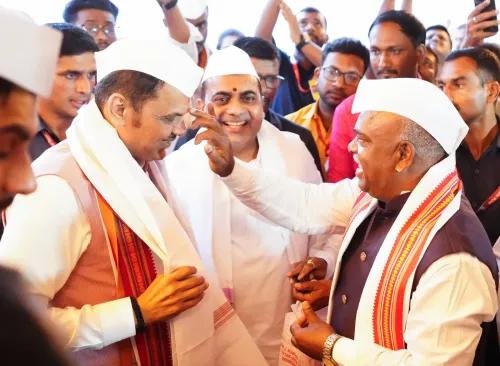
Ministers Girish Mahajan and Jaikumar Gore, along with MLAs Rajendra Raut, Samadhan Autade, and Gopichand Padalkar, were present at the concluding ceremony.
What's Next
With the Ashadhi Wari 2026 cycle now concluded, attention will shift to preparations for the Kartiki Wari later in the year. The government is expected to evaluate whether the 14-district coverage can be expanded further and whether additional budgetary allocations will be sought to sustain and scale both the Nirmal Wari and Charanaseva programmes. The success of the Chandrabhaga clean-up may also inform similar river-conservation efforts at other pilgrimage sites across the state.
Point of View
The CMO signals continuity of ownership over a scheme he initiated in 2016 during his first term. The Charanaseva component adds a visible welfare layer, projecting the state as a caring administrator of faith rather than a passive bystander. If the model scales to Kartiki Wari and beyond, it could set a replicable template for pilgrimage governance across India.
NationPress
23 Oct 2026
Frequently Asked Questions
What is Nirmal Wari in Maharashtra?
Nirmal Wari is a sanitation and cleanliness programme launched in 2016 by Maharashtra's Gram Vikas and Panchayati Raj Department to address waste, disease, and odour problems along the Pandharpur Wari pilgrimage route and in Pandharpur town itself.
What is Charanaseva and who runs it?
Charanaseva is a foot-care and medical relief initiative run through the Chief Minister's Medical Assistance Cell, providing treatment and support to Warkaris fatigued by the long walking pilgrimage to Pandharpur.
How many districts were covered under Nirmal Wari 2026?
According to CM Devendra Fadnavis, Nirmal Wari 2026 covered 14 districts along the pilgrimage corridor, with 5,000 mobile toilets and potable water supply deployed across the route.
When was Nirmal Wari started and who started it?
Nirmal Wari was started in 2016 under Chief Minister Devendra Fadnavis during his first term. It was given dedicated budgetary support in the Maharashtra state budget of 2017 to expand its reach.
How many Warkaris attend the Ashadhi Wari at Pandharpur?
CM Fadnavis stated that between 30 and 35 lakh Warkaris visit Pandharpur during the Ashadhi Wari, and that sanitation arrangements were made to keep the town clean even after such a large congregation.