17 Villages in Gujarat's Rajkot Selected for Tirthgam and Pavangam Initiatives
Synopsis
In a commitment to fostering crime-free villages, the Gujarat government has selected 17 villages under the Tirthgam and Pavangam schemes. These initiatives aim to promote communal harmony and social development, making strides in rural progress.
Key Takeaways
Gujarat government promotes crime-free villages.
17 villages selected under Tirthgam and Pavangam schemes.
Focus on communal harmony and local dispute resolution.
Specific social benchmarks must be met for eligibility.
Continued commitment to rural development initiatives.
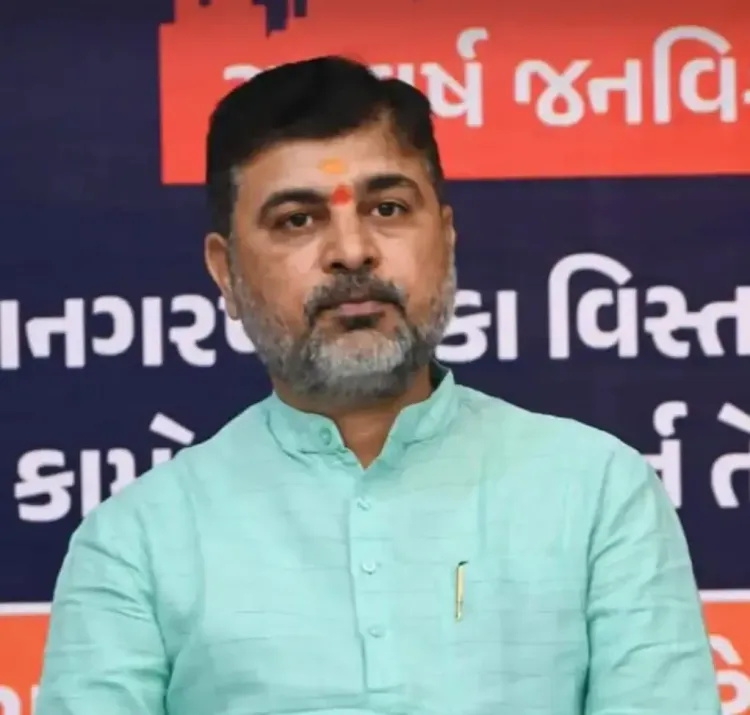
Gandhinagar, Feb 28 (NationPress) The Gujarat administration has reiterated its dedication to fostering crime-free and socially advanced communities, as state Panchayat Minister Sanjaysinh Mahida announced to the state Assembly that a total of 17 villages have been designated under the 'Tirthgam' and 'Pavangam' initiatives over the last two fiscal years.
In response to inquiries during the ongoing session of the Gujarat Legislative Assembly on Saturday, Mahida detailed the primary goals of these schemes, which are designed to promote communal harmony, facilitate local dispute resolution, and guarantee comprehensive rural development.
He emphasized that the state government, under the leadership of Chief Minister Bhupendra Patel, is “constantly devoted to ensuring that rural residents enjoy the direct advantages of various programs offered by the Panchayat Department.”
Elucidating the selection criteria, the Minister stated that a village marked ‘Tirthgam’ has experienced no crime incidents, aside from accidents, over the previous five years. Meanwhile, villages classified as ‘Pavangam’ must have maintained this crime-free status for three years.
Aside from having a clean crime record, these villages are required to meet specific social standards, which include abolishing untouchability, achieving 100 percent school enrollment, maintaining cleanliness, and following prohibition regulations.
“This initiative has been launched with the noble aim of nurturing mutual understanding in rural settings, ensuring that conflicts are settled within the village, and promoting holistic development,” Mahida articulated in the House.
He also referenced the 2012 amendment to the program, stipulating that general category villages need to attain a minimum of 70 out of 100 points to qualify for benefits, while tribal villages must secure at least 60 points.
Providing insights at the district level, Mahida mentioned that in Rajkot district, six villages were selected for the initiatives in the fiscal year 2023-24, with an additional 11 villages chosen for 2024-25.
The Minister affirmed that the government will persist in ensuring that eligible villages gain direct access to the initiatives of the Panchayat Department.
Point of View
The initiatives by the Gujarat government to promote crime-free and socially progressive villages reflect a positive step towards rural development. The selection of 17 villages under the Tirthgam and Pavangam schemes highlights the importance of community-driven solutions and local governance. This approach not only aims to enhance social standards but also ensures that rural citizens directly benefit from various government schemes.
NationPress
25 Sept 2026
Frequently Asked Questions
What are the Tirthgam and Pavangam schemes?
The Tirthgam and Pavangam schemes are initiatives by the Gujarat government aimed at promoting crime-free villages and ensuring holistic rural development.
How many villages were selected under these schemes?
A total of 17 villages were selected under the Tirthgam and Pavangam schemes over the last two financial years.
What criteria are used for village selection?
Villages must have no crime incidents, except accidents, for specified periods and meet social benchmarks such as school enrollment and cleanliness.
Who is overseeing these initiatives?
The initiatives are overseen by the Gujarat government, led by Chief Minister Bhupendra Patel and state Panchayat Minister Sanjaysinh Mahida.
What is the goal of these schemes?
The goal is to foster communal harmony, resolve disputes locally, and ensure comprehensive development in rural areas.