Dwarka Krishna Museum: ₹92.70-crore project with 9 galleries and digital experiences
Synopsis
Gujarat is investing ₹92.70 crore in a nine-gallery Shri Krishna Museum in Dwarka — one of Hinduism's holiest cities — combining 3D projection mapping, motion-sensor experiences, and a lotus pond amphitheatre complex. It is the latest and most tech-forward entry in India's accelerating push to modernise pilgrimage heritage sites.
Key Takeaways
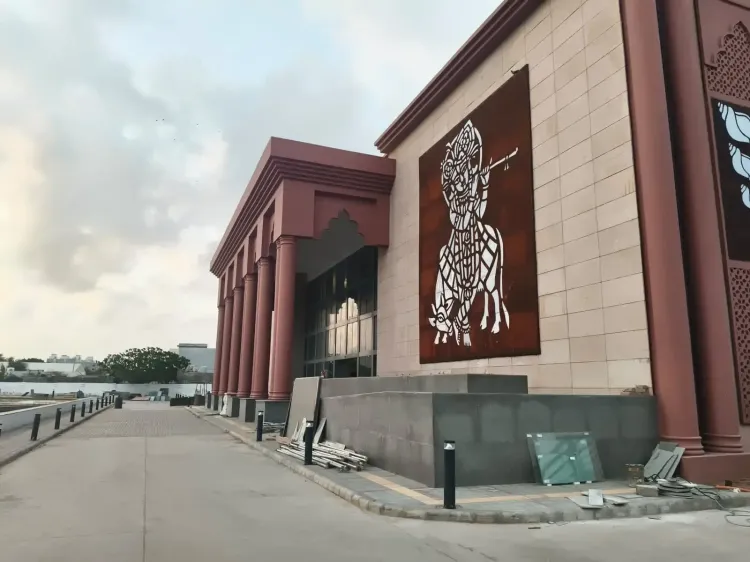
A ₹92.70-crore Shri Krishna Museum is under development in Dwarka, Gujarat , approximately 1.6 km from the Dwarkadhish Temple .
The museum will feature nine thematic galleries covering Krishna's life from birth to his role in the Mahabharata .
Digital features include 3D projection mapping , motion-sensor experiences, touchscreen kiosks, soundscapes, and a light-and-sound show.
The project is being executed under CM Bhupendra Patel and Deputy CM Harsh Sanghavi , aligned with PM Modi 's Vikas Bhi, Virasat Bhi heritage initiative.
The complex will also include a lotus pond , amphitheatre , café, souvenir shop, and accessibility provisions for persons with disabilities.
Dwarka is one of the four Char Dham pilgrimage sites and among the seven sacred cities in Hindu tradition.
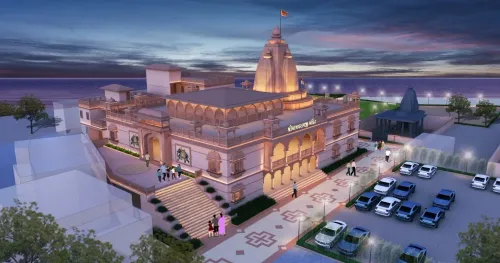
A ₹92.70-crore museum dedicated to Lord Krishna is being developed in Dwarka, Gujarat, featuring nine thematic galleries and state-of-the-art digital installations designed to bring episodes from his life, philosophical teachings, and the message of the Bhagavad Gita to visitors in immersive formats. The Shri Krishna Museum, located approximately 1.6 km from the iconic Dwarkadhish Temple, is conceived as a cultural and spiritual landmark combining traditional exhibits with modern technology.
What the Nine Galleries Will Cover
The galleries are structured to follow the arc of Krishna's life chronologically and thematically. The journey begins with his birth and childhood, moving through key episodes from Gokul and Vrindavan — including the lifting of Govardhan Hill, the subduing of the serpent Kaliya, and the Raas Leela.
Later galleries will depict his journey to Mathura, the killing of Kansa, the establishment of Dwarka as a city, and his defining role in the Mahabharata. Sculptures, paintings, artworks, handicrafts, and replicas will be used throughout to illustrate these episodes alongside interactive media.
Technology at the Heart of the Experience
The museum's design places significant emphasis on accessible, technology-driven storytelling. Planned features include touchscreen information kiosks, motion-sensor-based experiences, thematic lighting, soundscapes, 3D projection mapping, and multimedia digital storytelling — all intended to engage younger visitors and first-time learners of Krishna's narratives.
The broader complex will also feature a landscaped area, a lotus pond, a light-and-sound projection show, and an amphitheatre. Visitor facilities planned include a digital information system, accessibility provisions for persons with disabilities, a café, a souvenir shop, and organised parking.
Political and Policy Context
Officials stated that the museum is being developed 'under the leadership of Chief Minister Bhupendra Patel and Deputy Chief Minister Harsh Sanghavi, in line with Prime Minister Narendra Modi's Vikas Bhi, Virasat Bhi (development as well as heritage) approach.' The project reflects the Centre and Gujarat government's broader push to develop religious and heritage tourism infrastructure at sites of national significance.
Why Dwarka and Why Now
Dwarka is one of the four Char Dham pilgrimage destinations and figures among the seven sacred cities recognised in Hindu tradition, drawing devotees and tourists from across India and abroad. The museum is expected to add a cultural and educational dimension to visits centred on the Dwarkadhish Temple, while also generating economic opportunities for businesses in tourism, transport, handicrafts, and hospitality. This comes amid a wider national effort to present India's classical and spiritual heritage through contemporary means — a pattern seen at sites including Kashi, Ayodhya, and Kedarnath in recent years.
Point of View
Kashi, and Kedarnath in quick succession. The ₹92.70 crore outlay is sizeable for a single museum, and the emphasis on immersive technology signals an ambition to pull in younger, experience-seeking visitors beyond the traditional devotee base. The deeper question is sustainability: heritage tech installations require ongoing maintenance and curatorial renewal that state agencies have historically underfunded after inauguration. Whether the Bhagavad Gita's philosophical depth is served or flattened by gamified exhibits will depend entirely on curatorial choices — details that have not yet been publicly specified.
NationPress
22 Oct 2026
Frequently Asked Questions
What is the Shri Krishna Museum being built in Dwarka?
The Shri Krishna Museum is a ₹92.70-crore cultural and spiritual attraction being developed in Dwarka, Gujarat, approximately 1.6 km from the Dwarkadhish Temple. It will feature nine thematic galleries covering Lord Krishna's life, teachings, and the Bhagavad Gita, with immersive digital experiences including 3D projection mapping and motion-sensor exhibits.
Where exactly in Dwarka is the museum located?
The museum is located approximately 1.6 km from the Dwarkadhish Temple in Dwarka, one of the four Char Dham pilgrimage destinations and among the seven sacred cities in Hindu tradition.
What technology will the Krishna Museum use?
The museum plans to deploy touchscreen information kiosks, motion-sensor-based experiences, 3D projection mapping, thematic lighting, soundscapes, digital storytelling, and multimedia projections. A light-and-sound projection show and an amphitheatre are also part of the complex.
Who is overseeing the Dwarka Krishna Museum project?
Officials stated the museum is being developed under the leadership of Gujarat Chief Minister Bhupendra Patel and Deputy Chief Minister Harsh Sanghavi, in line with Prime Minister Narendra Modi's 'Vikas Bhi, Virasat Bhi' heritage development approach.
How will the museum benefit Dwarka's economy?
The project is expected to generate economic opportunities for businesses and workers in tourism, transport, handicrafts, and hospitality. The complex will include visitor facilities such as a café, souvenir shop, and organised parking, designed to support longer and higher-value visits to the pilgrimage city.