Will the Gujarat Government's Amendments to the Marriage Registration Act Protect Daughters?
Synopsis
The Gujarat government is taking a significant step with amendments to the Marriage Registration Act, emphasizing the protection of daughters and cultural traditions. Discover how these changes will affect the marriage registration process and what it means for love and tradition in the state.
Key Takeaways
Amendments enhance transparency in marriage registration.
Parental involvement is now mandatory.
Focus on protecting daughters from deceit.
New rules aim to preserve cultural traditions .
Public feedback is invited for further improvement.
Gandhinagar, Feb 20 (NationPress) The government led by Bhupendra Patel has unveiled crucial amendments to the Gujarat Registration of Marriages Act, 2006, with the goal of enhancing the transparency and integrity of the marriage registration process while also protecting daughters and honoring cultural traditions.
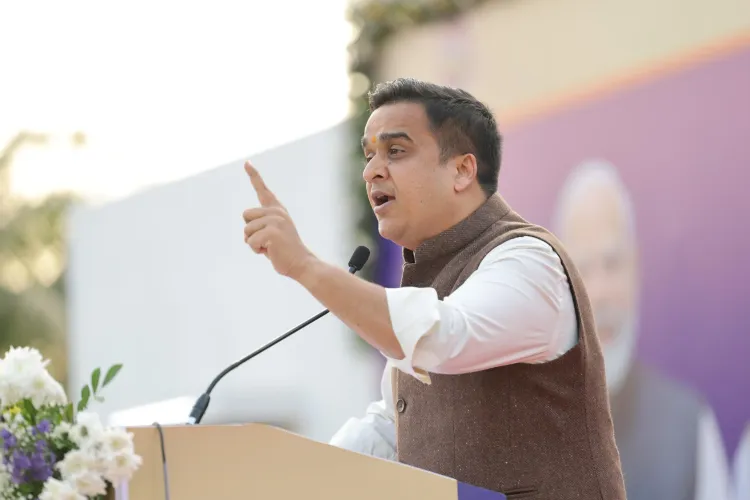
Deputy Chief Minister and Home Minister Harsh Sanghavi presented the amendments in the Legislative Assembly, describing them as "extremely important and sensitive" for safeguarding daughters and maintaining social structure.
As part of the new regulations, parents will officially participate in the marriage registration process. "The marriage registration will now involve parents, and a dedicated portal will be established for this purpose," Sanghavi stated.
Parents will receive formal notifications, and their consent will become a vital component of the process.
Sanghavi reiterated that the government does not oppose love marriages but is determined to prevent deceit and coercive practices.
"Our administration is not against love. We are dedicated to taking stringent action against those who exploit the notion of love. Marriage is one of the 16 sacred samskaras. Deception must not breach tradition. It is a serious issue if someone conceals their identity to ensnare a daughter, and the government cannot overlook this," he emphasized.
He also cautioned against attempts to exploit young women under false identities. "If anyone, impersonating someone like Salim Suresh, attempts to deceive a daughter of this state, this government will ensure that he will never dare to lay eyes on any daughter again," he asserted.
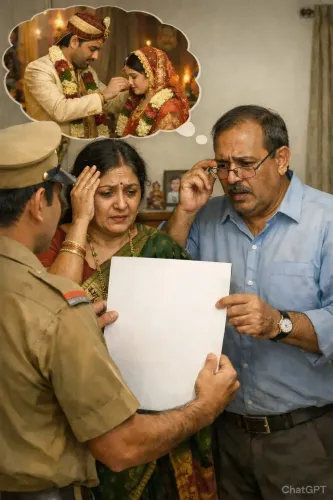
This announcement comes in response to events in the Panchmahal district, where numerous 'Nikah' certificates were issued in villages like Kankodakui and Nathkuva, despite the absence of Muslim families.
"Marriages conducted under false identities are an affront to our culture. This government stands as a guardian of every daughter's dignity and our rich traditions," Sanghavi remarked.
The amendments also aim to address existing loopholes, promoting accountability and transparency in the registration process.
The registration procedure will require both parties and two witnesses to submit a notarized application along with identification documents such as Aadhaar cards, passports, or driving licenses. Parents must provide their full names, addresses, Aadhaar numbers, and mobile contact information.
The Assistant Registrar will inform parents within 10 working days and will forward the application to the district or taluka Registrar. Registration will be finalized after a 30-day verification period, and a certificate will be issued via an online portal, which will include serial numbers, page numbers, and volume details.
Sanghavi noted that the government had consulted with Chief Minister Bhupendra Patel and engaged in 30 rounds of discussions with social organizations. "To sustain our social structure and prevent injustice, digitizing the registration process and involving local witnesses will ensure accountability," he said.
Public feedback and suggestions on the new regulations are being accepted over the next 30 days through the official website of the Health and Family Welfare Department.
A committee will evaluate the submissions within constitutional boundaries before finalizing the implementation.
Reflecting on the cultural significance of daughters, Sanghavi expressed, "When a daughter is born, she flourishes in her father's courtyard like the Tulsi plant. While love marriages are not opposed, strict measures will be enforced against deceit and coercion. This government champions the honor of every daughter and our ancient traditions."
Point of View
It's essential to recognize the implications of the Gujarat government's amendments to the Marriage Registration Act. While the intent is to safeguard daughters and uphold traditions, the effectiveness of these measures will depend on their implementation and public acceptance. These changes reflect a growing concern for cultural integrity and the protection of individual rights within the marriage framework.
NationPress
13 Oct 2026
Frequently Asked Questions
What are the main amendments proposed to the Gujarat Marriage Registration Act?
The amendments aim to involve parents formally in the marriage registration process, ensuring their consent is necessary and enhancing transparency.
How will the new registration process work?
Both parties and witnesses must submit a notarized application along with identification proofs. Parents will be notified, and the application will be processed through an online portal.
Is the government against love marriages?
No, the government is not against love marriages but is committed to preventing deceit and coercion in the registration process.
What actions will the government take against deceitful practices?
The government plans to enforce strict measures against individuals who attempt to exploit young women under false pretenses.
How can the public provide feedback on the new rules?
Public suggestions and objections can be submitted over the next 30 days via the Health and Family Welfare Department's official website.