H-FAST seizes 36 tonnes of adulterated ghee in Hyderabad raids across 130 units
Synopsis
Hyderabad's H-FAST unit seized 36 tonnes of adulterated ghee from 130 establishments in a single synchronised sweep — uncovering a network that blended palm oil, Dalda, and artificial flavours, then sold the mixture as 'Premium' or '100% Pure' ghee to hotels, sweet shops, and even Ayurvedic medicine outlets across Telangana and neighbouring states.
Key Takeaways
H-FAST and the Hyderabad Police inspected 130 establishments — 39 manufacturing units and 91 selling outlets — on 18 August .
Total seizure: 36 tonnes , including 25.5 tonnes of adulterated ghee , 8.7 tonnes of cream , 1,200 litres of palm oil , and 600 litres of Vanaspati .
Adulteration levels ranged from approximately 10% to 40% ; products were falsely labelled as '100% Pure Ghee' and 'Premium Ghee' , with no FSSAI details or expiry dates.
Raw materials were reportedly sourced from suppliers in Maharashtra , Uttar Pradesh , Madhya Pradesh , Gujarat , Karnataka , and Tamil Nadu .
Adulterated ghee was reportedly distributed to hotels, sweet shops, bakeries, caterers, and Ayurvedic medicine shops across Telangana and neighbouring states.
All seized stock has been handed to Food Safety Authorities ; laboratory analysis of samples is underway.
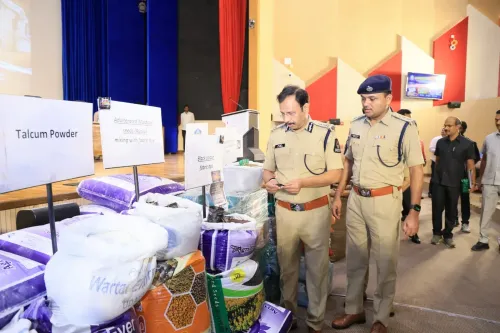
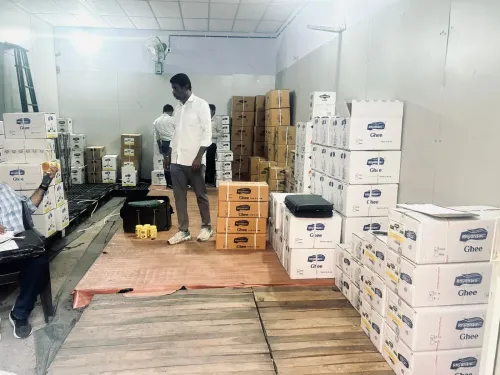
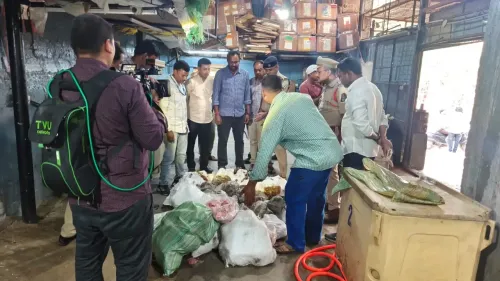
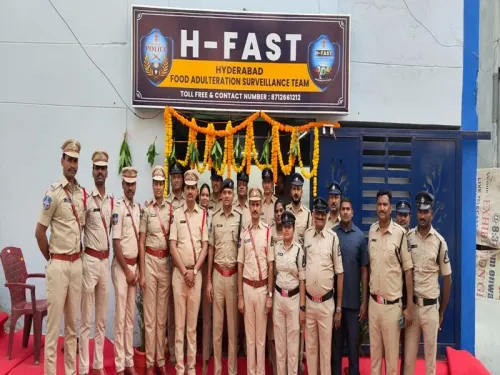
Hyderabad's Food Adulteration Surveillance Team (H-FAST), operating under the Hyderabad Police, conducted a sweeping enforcement drive on 18 August across 130 establishments in the city, seizing 36 tonnes of adulterated ghee, raw materials, and hazardous chemical additives. The operation, carried out in coordination with the Food Safety Department, targeted illicit ghee manufacturing and commercial selling units across the Hyderabad Police Commissionerate limits.
Scale of the Operation
Hyderabad Police Commissioner V. C. Sajjanar announced the findings at a media conference on Tuesday, describing the drive as a 'massive, synchronised special enforcement action.' Joint enforcement teams conducted simultaneous inspections at 39 ghee manufacturing units and 91 ghee-selling outlets, acting on credible intelligence and tip-offs received from the public.
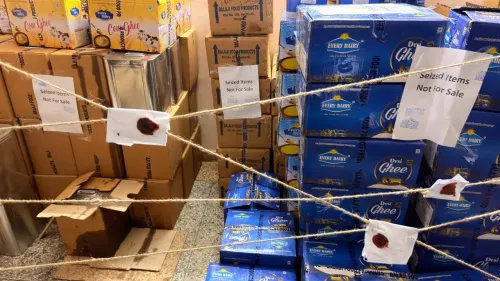
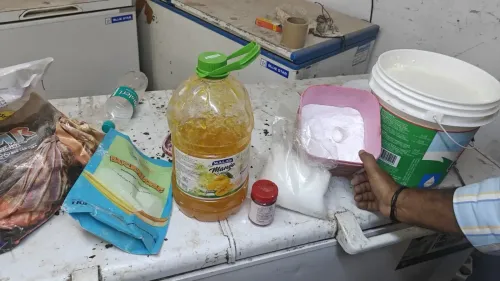
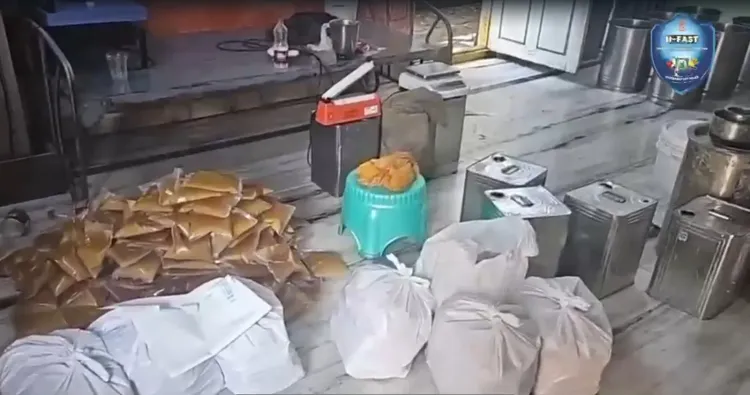
The seized stock includes 25.5 tonnes of adulterated ghee, 8.7 tonnes of cream, 1,200 litres of palm oil, 600 litres of Vanaspati (Dalda), six bottles of artificial ghee flavours, and 30 kg of starch. All seized material has been formally handed over to the Food Safety Authorities for further legal action.
How the Adulteration Was Carried Out
Investigators found that manufacturers were allegedly blending non-milk ingredients — including palm oil, Dalda, skimmed milk powder (0% milk fat), and starch — with artificial ghee flavour to replicate the taste, aroma, and appearance of genuine ghee. Adulteration levels reportedly ranged from approximately 10% to 40%, with products selectively diverted to different buyers based on the degree of adulteration.
The milk cream used in the manufacturing process was reportedly sourced from suppliers across Maharashtra, Uttar Pradesh, Madhya Pradesh, Gujarat, Karnataka, and Tamil Nadu. The finished product was manufactured at low cost using cheaper substitute ingredients and sold at prices comparable to genuine ghee, generating substantial illegal profits, according to Commissioner Sajjanar.
Deceptive Packaging and Labelling Violations
The adulterated products were packed in transparent covers and falsely marketed under brand names such as '100% Pure Ghee', 'Premium Ghee', 'Farm Fresh Ghee', and 'Natural Ghee'. Critically, none of the packaging carried mandatory details including batch or lot numbers, FSSAI licence information, Certificate of Analysis (COA), or dates of manufacture and expiry — clear violations of food safety regulations.
Public Health Risk and Distribution Network
According to Commissioner Sajjanar, the adulterated ghee was reportedly distributed across Telangana and neighbouring states, supplied to dairy shops, sweet shops, hotels, star hotels, tiffin centres, bakeries, caterers, and even Ayurvedic medicine shops. The reach of the network underscores the breadth of the public health risk. Food safety inspectors collected statutory samples on the spot for comprehensive laboratory analysis.
This crackdown is among the largest single food adulteration seizures recorded in Hyderabad in recent years, and authorities have indicated that investigations into the supply chain and procurement networks are ongoing.
Point of View
Finished product flowing out to star hotels and Ayurvedic shops. That breadth suggests systemic procurement failures, not isolated violations. The absence of FSSAI licence details and expiry dates on packaging points to a parallel informal market operating with near-zero regulatory friction. The real accountability question is how 39 manufacturing units were running at scale without triggering routine inspections — and whether this crackdown is a one-off or the start of sustained surveillance.
NationPress
18 Aug 2026
Frequently Asked Questions
What did the H-FAST Hyderabad raid uncover on 18 August?
The H-FAST team, in coordination with the Food Safety Department, inspected 130 establishments and seized 36 tonnes of adulterated ghee, raw materials, and hazardous chemical additives. Investigators found that manufacturers were blending palm oil, Dalda, skimmed milk powder, starch, and artificial flavours to imitate genuine ghee.
How was the adulterated ghee being sold to consumers?
The adulterated ghee was packed in transparent covers and falsely marketed under names such as '100% Pure Ghee', 'Premium Ghee', 'Farm Fresh Ghee', and 'Natural Ghee'. None of the packaging carried mandatory FSSAI licence details, batch numbers, or expiry dates, violating food safety labelling regulations.
Where was the adulterated ghee being distributed?
According to Hyderabad Police Commissioner V. C. Sajjanar, the adulterated ghee was reportedly distributed across Telangana and neighbouring states. It was supplied to dairy shops, sweet shops, hotels, star hotels, tiffin centres, bakeries, caterers, and Ayurvedic medicine shops.
What is H-FAST and what powers does it have?
H-FAST stands for the Hyderabad Food Adulteration Surveillance Team, a specialised unit of the Hyderabad Police. It conducts enforcement drives in coordination with the Food Safety Department to detect and act against food adulteration, and can seize stock and hand cases over to Food Safety Authorities for legal action.
What happens next after the seizure?
The entire seized stock — 36 tonnes of adulterated ghee and associated materials — has been formally handed over to the Food Safety Authorities for further legal proceedings. Food safety inspectors collected statutory samples on the spot, and comprehensive laboratory analysis is currently underway.