HAL delivers Tejas FOC trainers, HTT-40 aircraft to IAF in Bengaluru
Synopsis
HAL completed a landmark triple handover on 18 September — Tejas FOC twin-seat trainers and HTT-40 basic trainers to the IAF, plus Dhruv NG helicopters to Pawan Hans — closing out the Tejas FOC contract and ending India's long reliance on imported basic trainer aircraft in a single ceremony. Rajnath Singh's 'no big bang' doctrine signals that New Delhi is setting expectations carefully, even as the pressure to deliver on self-reliance mounts.
Key Takeaways
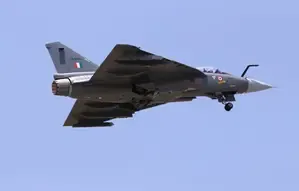
HAL handed over two LCA Tejas FOC Twin Seater Trainers to the IAF on 18 September 2026 in Bengaluru — completing the FOC contract.
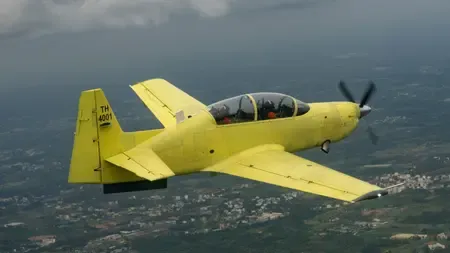
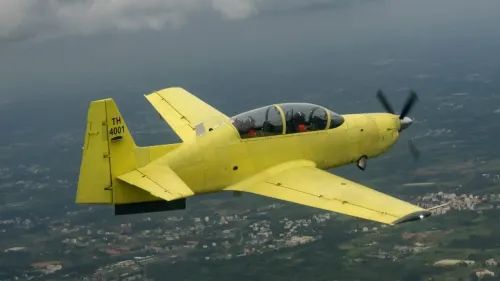
Three HTT-40 Basic Trainer Aircraft were also delivered to the IAF, replacing an imported platform India had traditionally relied on for primary pilot training.
Four Dhruv NG helicopters were handed over to Pawan Hans Limited , marking HAL's entry into the civil and commercial aviation segment.
Defence Minister Rajnath Singh called aerospace self-reliance a 'vast and gradual process' with no room for a 'big bang' approach, and urged realistic project timelines.
Singh highlighted AI , autonomous systems, unmanned aerial systems and next-generation propulsion as priorities for indigenous development over the coming decade.
Chief of the Air Staff Air Chief Marshal A.P.
Singh and senior secretaries from Defence Production and Civil Aviation attended the ceremony.
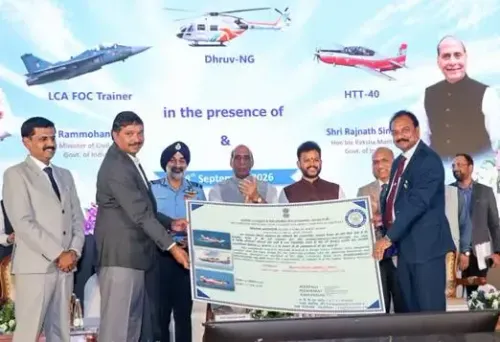
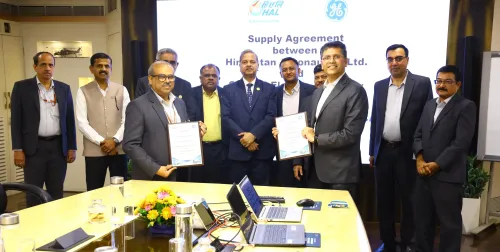
Hindustan Aeronautics Limited (HAL) on Friday, 18 September 2026, handed over two LCA Tejas Final Operational Clearance (FOC) Twin Seater Trainers and three HTT-40 Basic Trainer Aircraft to the Indian Air Force (IAF) at a ceremony in Bengaluru. Separately, four Dhruv Next Generation (NG) helicopters were handed over to Pawan Hans Limited (PHL), the government-owned civil helicopter services operator under the Ministry of Civil Aviation. Defence Minister Rajnath Singh described the occasion as a significant milestone in India's journey toward indigenous aerospace self-reliance.
What Was Handed Over
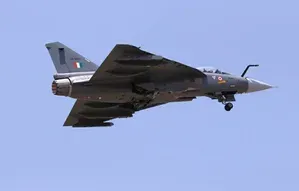
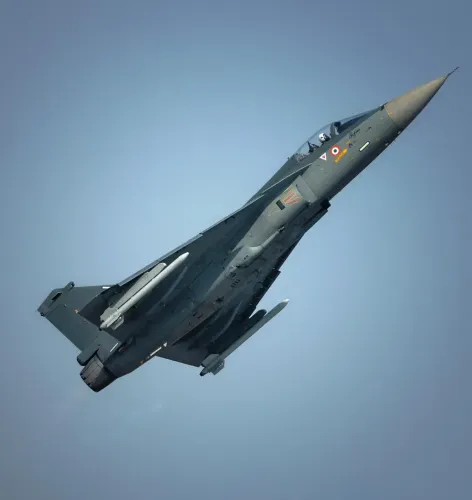
The two Tejas FOC Twin Seater Trainers are the final aircraft delivered under the FOC contract, completing that phase of the programme. They will support the IAF's pilot training pipeline, providing an indigenous continuum that leads directly to frontline fighter operations.
The HTT-40 Basic Trainer is an indigenously designed aircraft built to meet primary training requirements of the armed forces. It is equipped for aerobatics, instrument flying, navigation, night flying and close formation flying — capabilities that India has traditionally sourced through imported platforms, according to officials.
The Dhruv NG, configured for civil operations, features enhanced avionics, a more powerful engine and modern systems. It can be deployed for passenger transport, emergency medical services and offshore logistics support, marking HAL's deliberate expansion into the commercial helicopter segment.
Rajnath Singh's Key Remarks
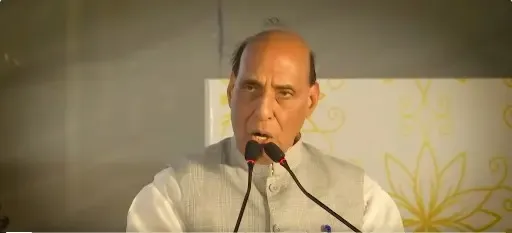
Addressing the ceremony alongside Civil Aviation Minister K. Rammohan Naidu, Defence Minister Rajnath Singh stressed that aerospace self-reliance demands a gradual, sustained approach. 'There can be no sudden 'big bang' in the development of aerospace systems. It is a vast and gradual process involving a wide range of components,' he said, urging that challenges be treated as milestones on a long-term roadmap.
Singh called for an integrated aerospace ecosystem that serves both civil and military aviation, citing the synergy demonstrated by Friday's dual handover. He urged HAL to expand its footprint across the full value chain — design, development, manufacturing, certification, lifecycle support and global marketing — and pressed for realistic project timelines, noting that delays raise costs and risk technological obsolescence.
He also flagged the growing importance of artificial intelligence, autonomous systems, unmanned aerial systems, electronic warfare and next-generation propulsion, calling on young scientists, engineers, test pilots and technicians to develop technologies that do not yet exist and to position India as a global aerospace leader within the coming decade.
Civil Aviation and HAL Leadership Speak
Civil Aviation Minister K. Rammohan Naidu said the certification and induction of the Dhruv NG into civil operations marked an important milestone for India's indigenous civil aviation ecosystem, reflecting the growing ability of Indian industry to develop and support advanced platforms for commercial use.
HAL Chairman and Managing Director Ravi K said the simultaneous handover of the Tejas FOC Twin Seater Trainers, HTT-40 Basic Trainers and Dhruv NG helicopters demonstrated HAL's capacity to develop and deliver across diverse civil and defence requirements.
Broader Significance for India's Aerospace Ambitions
The handover comes as India accelerates its push to reduce dependence on foreign defence imports, which have historically accounted for a large share of its military procurement bill. Notably, the HTT-40's induction directly addresses one of the IAF's oldest import dependencies — basic pilot training aircraft. Singh also expressed confidence in the HTT-40's export potential, signalling a shift from import substitution toward global market participation.
Chief of the Air Staff Air Chief Marshal A.P. Singh, Secretary (Defence Production) Sanjeev Kumar and Civil Aviation Secretary Samir Kumar Sinha also attended the ceremony. The next phase of India's indigenous aerospace push will hinge on whether HAL and the broader Defence Public Sector Undertaking (DPSU) ecosystem can close gaps in propulsion and avionics — the two areas still most reliant on foreign partnerships.
Point of View
Illustrating precisely the timeline risk Rajnath Singh himself flagged. The 'no big bang' framing is a pragmatic reset of expectations, but it also risks providing institutional cover for future delays. India's real aerospace test is whether it can indigenise the engine — the one critical gap that still makes Tejas dependent on imported GE F404 powerplants and constrains both production rate and export pitch.
NationPress
19 Sept 2026
Frequently Asked Questions
What aircraft did HAL hand over to the IAF on 18 September 2026?
HAL handed over two LCA Tejas FOC Twin Seater Trainers and three HTT-40 Basic Trainer Aircraft to the Indian Air Force at a ceremony in Bengaluru on 18 September 2026. The Tejas trainers complete the final deliveries under the FOC contract, while the HTT-40 replaces imported basic training platforms.
What is the HTT-40 and why does it matter?
The HTT-40 is an indigenously designed and developed basic trainer aircraft built by HAL to meet the IAF's primary training requirements. It is capable of aerobatics, instrument flying, navigation, night flying and close formation flying, ending India's historical reliance on imported aircraft for basic pilot training.
What are the Dhruv NG helicopters and who received them?
The Dhruv NG is HAL's next-generation civil helicopter, featuring modern avionics, enhanced systems and a more powerful engine. Four units were handed over to Pawan Hans Limited, the government-owned civil helicopter operator, for use in passenger transport, emergency medical services and offshore logistics support.
What did Defence Minister Rajnath Singh say at the ceremony?
Rajnath Singh described the handover as a significant milestone for indigenous aerospace capability and stressed that self-reliance requires sustained, gradual development rather than a sudden transformation. He called for an integrated aerospace ecosystem, realistic project timelines, and urged HAL to expand across the full value chain including design, certification and global marketing.
How does this handover fit into India's broader defence self-reliance goals?
The deliveries are part of India's ongoing push to reduce dependence on foreign defence imports. The HTT-40 directly addresses one of the IAF's oldest import dependencies, while the Tejas FOC Trainer extends an indigenous fighter training continuum. Singh also flagged AI, autonomous systems and next-generation propulsion as future indigenous priorities, signalling the ambition extends well beyond current programmes.