Haryana CMO marks 12 years of welfare with women-led schemes
Synopsis
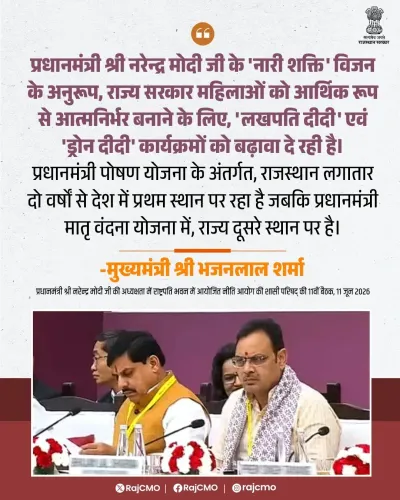
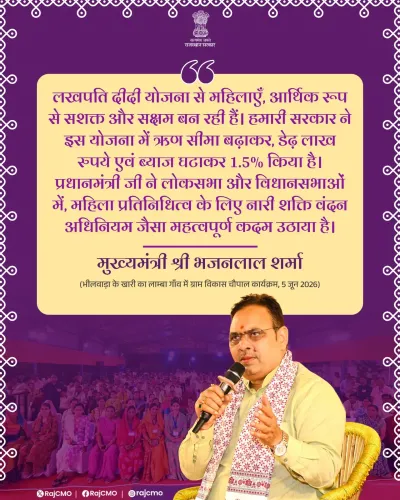
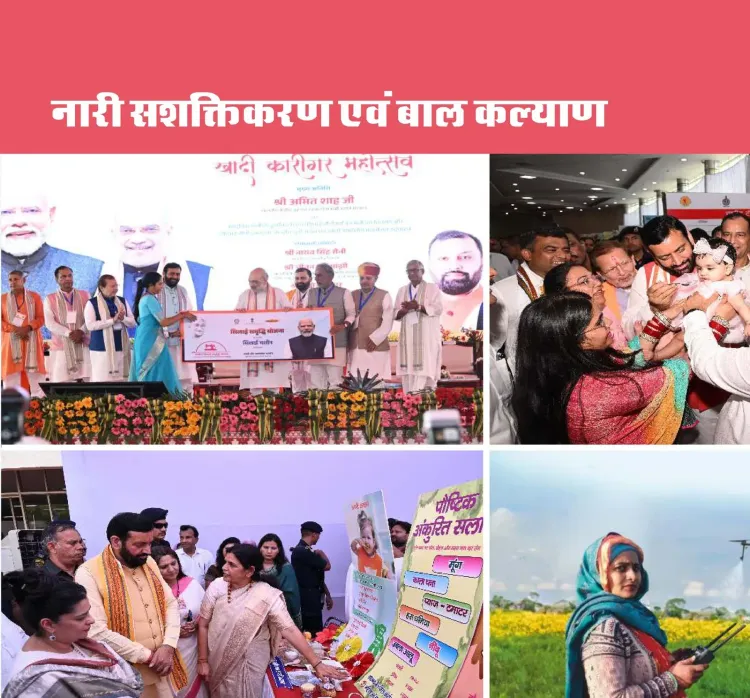
On 18 October 2026, Haryana's Chief Minister's Office marked 12 years of governance by spotlighting Lado Laxmi, Lakhpati Didi, and Drone Didi as cornerstones of women's economic empowerment, alongside Anganwadi-backed maternal and child nutrition support.
Key Takeaways
Lado Laxmi is a Haryana state scheme providing financial support to advance girls' education and women's economic participation.
Lakhpati Didi , launched nationally in 2023 under NRLM, targets rural self-help groups to raise household income to at least Rs 1 lakh annually.
Namo Drone Didi , announced in Union Budget 2024 , aims to train 15,000 women drone pilots over three years for agri-services.
Haryana has aligned state spending with central ICDS and NRLM frameworks since 2014 to address child malnutrition and low female workforce participation.
The CMO framing links '12 years of development' with 'two years of new resolutions,' signalling political continuity in welfare delivery.
District-level rollout targets and the 2026-27 state budget will be the next key markers for scheme expansion.
Twelve years of governance and two years of fresh commitments — on Sunday, 18 October 2026, the Chief Minister's Office of Haryana used its official X account to spotlight the state's sustained push for women's economic self-reliance, anchoring the message around three flagship schemes: Lado Laxmi, Lakhpati Didi, and Drone Didi.
Three schemes, one goal: economic independence for women
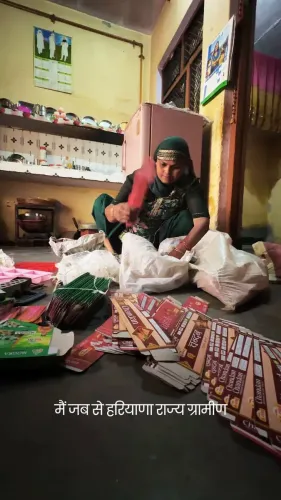
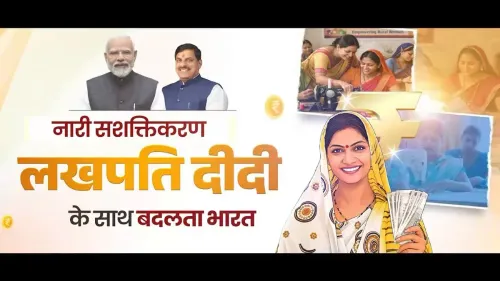
The post frames the trio as a coordinated ladder of opportunity. Lado Laxmi is a state-level scheme offering financial support to promote girls' education and women's economic participation — a Haryana-specific instrument layered on top of central missions. Lakhpati Didi, launched nationally in 2023 under the Deendayal Antyodaya Yojana–National Rural Livelihoods Mission, targets rural women self-help groups, aiming to lift annual household income to at least Rs 1 lakh. Together, they address both the entry point — a girl's education — and the earning endpoint — a rural household's financial floor.
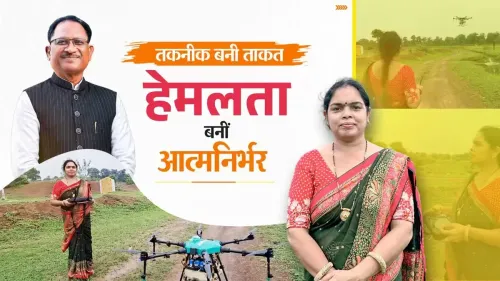
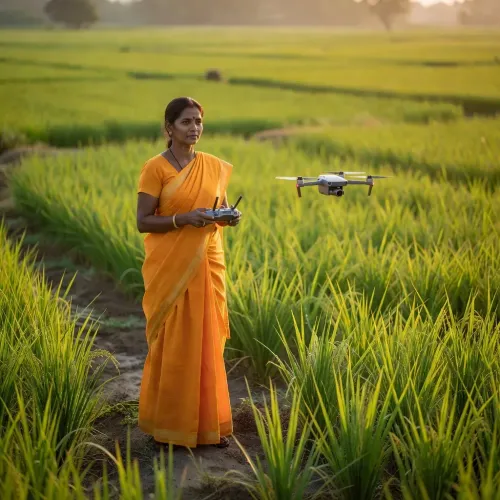
The sharpest addition is Drone Didi, or Namo Drone Didi as it was announced in the Union Budget 2024. The central initiative set out to train 15,000 women drone pilots over three years for agricultural spraying, crop mapping, and rural services. In Haryana, where paddy and wheat cultivation dominate, putting women behind a drone controller is not a symbolic gesture. It is a direct entry into a high-skill agri-services market.
Mothers, children, and the Anganwadi backbone
Beyond income generation, the CMO's message highlights maternity support, improved nutrition, and Anganwadi infrastructure as pillars for securing the futures of mothers and children. The Integrated Child Development Services network — of which Anganwadis are the delivery arm — has operated since 1975, but Haryana has aligned state spending with central ICDS frameworks since 2014 to tackle child malnutrition and improve pre-school outreach in underserved districts.
The framing of '12 years of development' alongside 'two years of new resolutions' signals a deliberate political narrative: continuity of intent, fresh acceleration of delivery. The subtext is that welfare infrastructure built over a decade is now being upgraded — not replaced — with next-generation tools like drone training and self-help group enterprise scaling.
What Haryana's 2026-27 budget will reveal
The real test of these commitments lies ahead. District-level rollout targets for Drone Didi beneficiaries and fresh allocations under Lado Laxmi in the 2026-27 state budget will show whether the rhetoric of 12 years translates into measurable expansion. Haryana's persistently low female workforce participation rate makes women's economic schemes a structural priority — not just a campaign talking point.
A state that can train a woman to fly a drone over a wheat field and simultaneously ensure her newborn is weighed, vaccinated, and fed at a local Anganwadi is making a compounded bet on human capital. Whether the numbers back that bet is a question the next budget cycle will have to answer.
Point of View
Or remains a messaging exercise — a question the 2026-27 budget allocations will partially answer. If Drone Didi pilot numbers in Haryana districts rise sharply, it would mark a meaningful shift from welfare to economic agency.
NationPress
18 Oct 2026
Frequently Asked Questions
What is the Lado Laxmi scheme in Haryana?
Lado Laxmi is a Haryana state government scheme that provides financial support and incentives to promote girls' education and women's economic participation in the state.
What is the Lakhpati Didi scheme and who benefits?
Lakhpati Didi is a central scheme launched in 2023 under the Deendayal Antyodaya Yojana–NRLM that targets rural women in self-help groups, aiming to help households earn at least Rs 1 lakh per year through enterprise activities.
What is Drone Didi and how many women does it aim to train?
Drone Didi, formally called Namo Drone Didi, was announced in the Union Budget 2024 and targets training 15,000 women as drone pilots over three years for agricultural spraying, mapping, and rural services.
What role do Anganwadis play in Haryana's welfare push?
Anganwadis are centres under the Integrated Child Development Services network delivering supplementary nutrition, health check-ups, and pre-school education; Haryana has aligned state spending with ICDS to improve maternal and child outcomes since 2014.
How long has the current Haryana government been in power?
The Haryana CMO's post on 18 October 2026 references '12 years of governance,' placing the start of that continuity at around 2014, when the current ruling dispensation came to power in the state.