Is Serving Cows Our Collective Moral Obligation? Haryana CM Speaks on Gopashtami
Synopsis
In a heartfelt address during Gopashtami celebrations, Haryana CM Nayab Singh Saini urged citizens to protect cows, emphasizing their moral significance and the government's commitment to enhancing gaushalas. With a historical connection to wealth and spirituality, cows hold a revered place in Indian culture, as highlighted in the CM's address.
Key Takeaways
Public awareness campaigns for cow protection are essential.
Government initiatives aim to enhance gaushalas and cow welfare.
Cows hold spiritual and cultural significance in Indian society.
Scientific research supports the health benefits of indigenous cow milk .
Strict laws are in place to ensure the safety of cows .
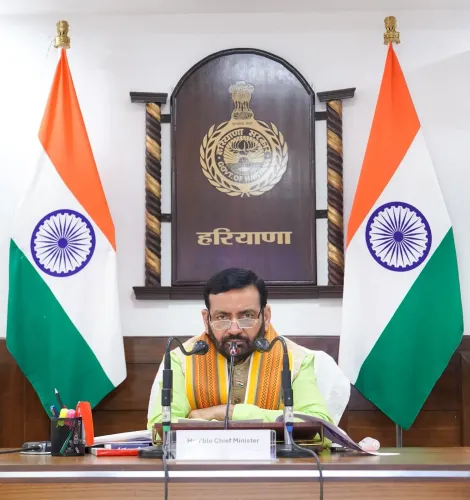
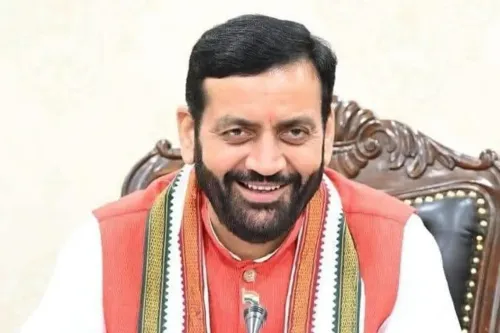
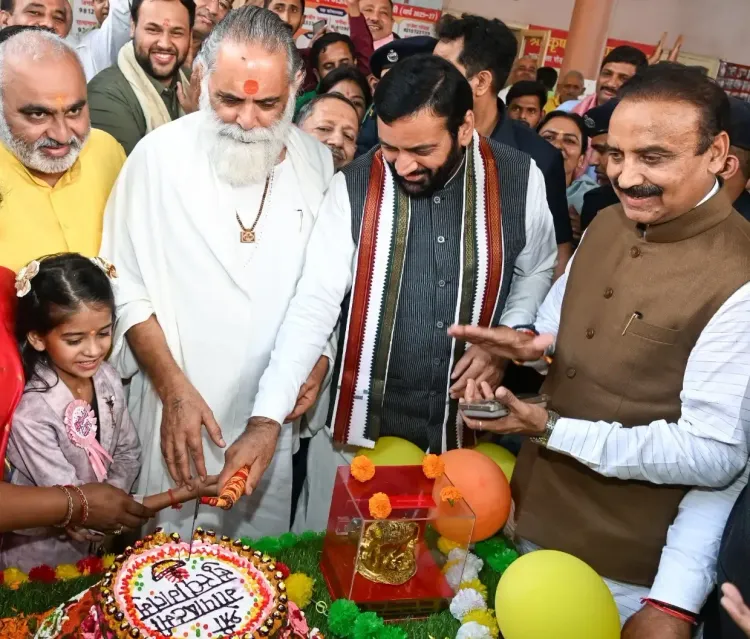
Chandigarh, Oct 30 (NationPress) Haryana Chief Minister Nayab Singh Saini emphasized on Thursday that cow enthusiasts should spearhead a public awareness initiative for the safeguarding of cows, asserting that nurturing them is a shared moral obligation.
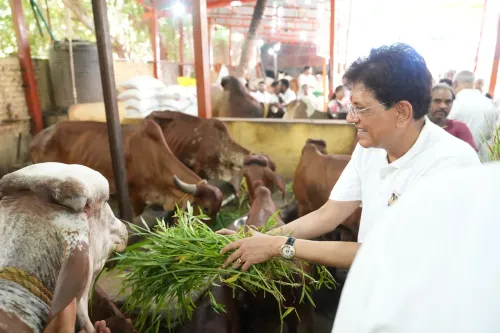
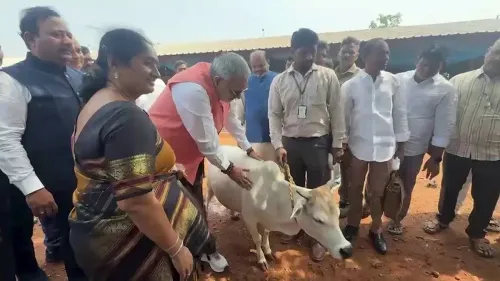
He urged individuals to refrain from abandoning cows on roads and to actively engage in efforts to make gaushalas (cow shelters) self-sustaining.
Additionally, he encouraged residents to utilize products derived from cow dung and urine. The Chief Minister declared a grant of Rs 21 lakh from his discretionary fund to Shri Krishna Gaushala in Karnal during the Gopashtami festivities.
In his greetings for Gopashtami, he highlighted how this auspicious day within the Indian Sanatan tradition fosters connections among people through culture, brotherhood, and compassion.
"Gopashtami transcends being just a festival; it embodies kindness, service, and a sense of duty," he stated.
CM Saini remarked that the cow possesses both social and spiritual significance and has long been associated with wealth and prosperity. Historically, a person's affluence was gauged by the number of cows they owned.
According to mythology, Kamadhenu, the sacred cow, was among the 14 precious gems that emerged during the ocean's churning by gods and demons.
Another tale recounts that when Lord Shri Krishna lifted the Govardhan mountain to shield the cowherds, Lord Indra, on the eighth day, sought his refuge. Indra then performed the abhishek (anointing) of Lord Krishna with Kamadhenu, granting him the title of Govind. Consequently, the eighth day is commemorated as Gopashtami.
The Chief Minister noted that cows are revered as divine and spiritual entities, often regarded as a mother.
He remarked, "The milk of cows is esteemed as equivalent to nectar. Scientific research indicates that milk from indigenous (desi) cows is highly advantageous for health and is as nutritious as mother's milk."
CM Saini mentioned that the government has implemented various initiatives for the enhancement of gaushalas, the protection of cattle, and the promotion of natural farming.
Eleven years ago, the 'Gau Seva Aayog' received a mere Rs 2 crore in grants, but since the BJP government took charge, funding has steadily increased.
The government has now allocated Rs 600 crore for cow protection and promotion. In 2014, there were 215 registered gaushalas in the state, sheltering 1.75 lakh cattle; today, there are 686 gaushalas housing over four lakh cattle.
The procurement process for 800 e-rickshaws for gaushalas is currently underway. The government is also supplying electricity to gaushalas at Rs 2 per unit, and has eliminated stamp duty on land registration for gaushalas.
Furthermore, strict regulations have been enacted to ensure cow safety, with provisions for 10 years of imprisonment for cow slaughter and seven years for cow smuggling.
Point of View
It is crucial to recognize the multifaceted role cows play in Indian society—spiritually, culturally, and economically. The government's initiatives reflect a growing awareness of this responsibility, aligning with recent trends in animal welfare and sustainable practices. Balancing tradition with modernity, the emphasis on cow protection resonates with a broader audience, resonating with both believers and those advocating for animal rights.
NationPress
9 Oct 2026
Frequently Asked Questions
Why is cow protection important according to the Haryana CM?
The Haryana CM believes cow protection is essential as it connects individuals with their cultural heritage and moral responsibilities, emphasizing the spiritual significance of cows.
What initiatives has the Haryana government announced for cow welfare?
The Haryana government has allocated Rs 600 crore for cow protection, promoted self-sustaining gaushalas, and enacted strict laws against cow slaughter and smuggling.
How does cow milk benefit health?
Scientific studies suggest that milk from indigenous cows is highly nutritious and has health benefits comparable to mother's milk.
What is the historical significance of cows in India?
Historically, cows have been associated with wealth and prosperity, with a person's wealth often measured by the number of cows they owned.
What is Gopashtami and its significance?
Gopashtami is a festival that celebrates the divine connection between humans and cows, symbolizing kindness, service, and moral duty.