CM Saini: Haryana to Mark Partition Horrors Day on Aug 14

Synopsis
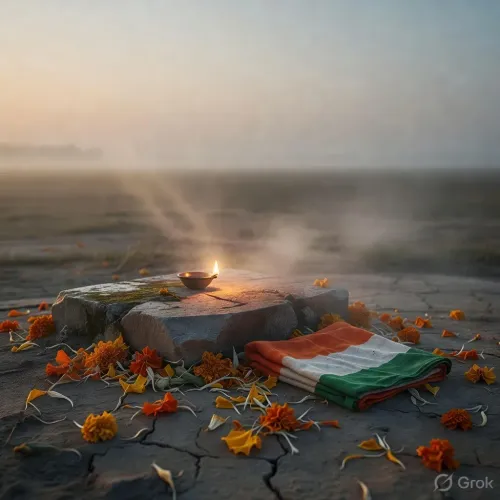
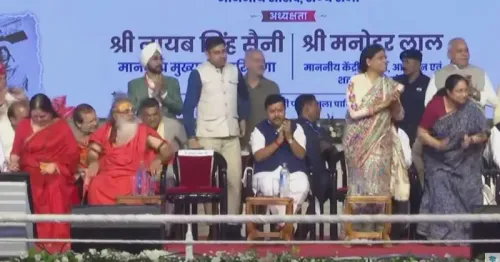
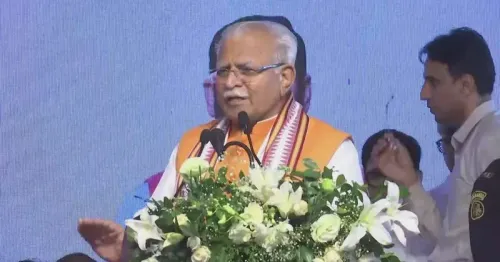
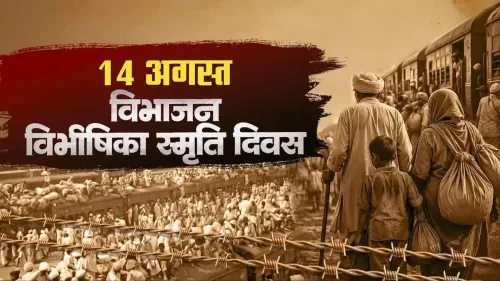
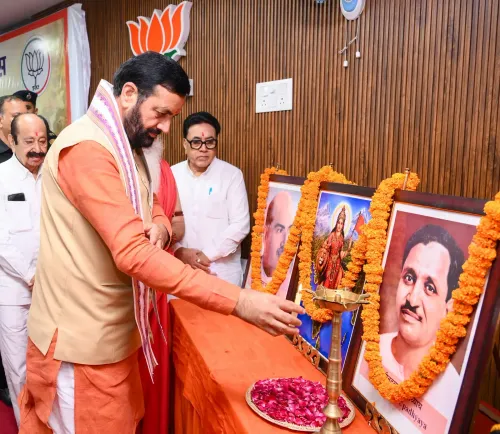
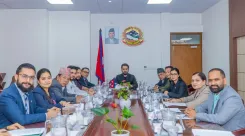
Haryana Chief Minister Nayab Singh Saini has announced that Vibhajan Vibhishika Smriti Diwas — Partition Horrors Remembrance Day — will be observed statewide on 14 August 2026, honouring the millions displaced and killed in the 1947 Partition of British India.
Key Takeaways
Haryana will observe Vibhajan Vibhishika Smriti Diwas on 14 August 2026 , as announced by CM Nayab Singh Saini .
The day commemorates the 1947 Partition of British India, which displaced an estimated 10–20 million people and caused mass communal violence.
The observance was instituted by the Central Government in 2021 and is held every year on 14 August .
Haryana's connection to Partition is direct — the state was part of undivided Punjab , the province most devastated by the violence and displacement of 1947.
State-level observances will be held across Haryana , taking the commemoration beyond the national capital to communities with deep Partition-era roots.
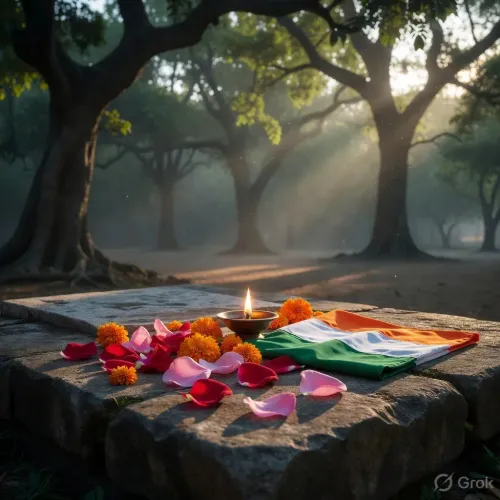
Every year on the eve of Independence Day, India pauses to remember one of the bloodiest ruptures in modern history — and this year, Haryana Chief Minister Nayab Singh Saini has confirmed the state will formally observe Partition Horrors Remembrance Day (Vibhajan Vibhishika Smriti Diwas) on 14 August 2026.
What Vibhajan Vibhishika Smriti Diwas commemorates
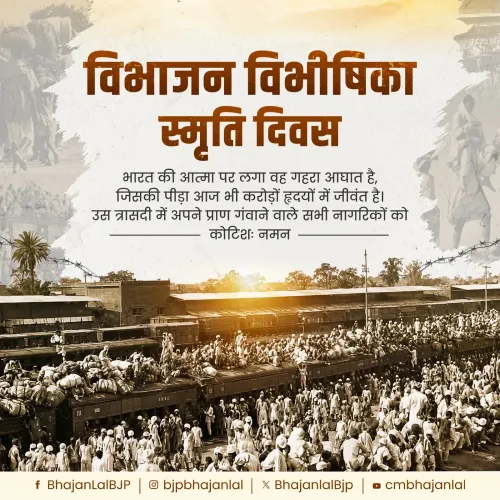
The day marks the catastrophic human cost of the 1947 Partition of British India into India and Pakistan — a rupture that displaced an estimated 10 to 20 million people and claimed hundreds of thousands of lives in communal violence. Families were torn apart overnight, entire villages uprooted, and a generation scarred in ways that shaped the subcontinent's politics for decades.
The observance was instituted by the Central Government in 2021, with 14 August chosen deliberately — the date Pakistan marks its Independence Day, and the day before India's own — as a moment of collective mourning and memory for those who suffered the Partition's horrors.
Haryana's stake in the Partition story
The choice of Haryana as an active participant carries particular weight. The region that is today Haryana was part of undivided Punjab — the province that bore the single greatest share of Partition violence and displacement. Millions of refugees from what became West Punjab crossed into areas including present-day Haryana, carrying nothing but memory and grief. The state's population carries that inheritance directly.
CM Saini's announcement signals that state-level observances will be organised across Haryana, bringing the commemoration beyond Delhi to communities where the living memory of 1947 still runs deep in family histories.
A remembrance that is also a political statement
Since its launch, Vibhajan Vibhishika Smriti Diwas has served a dual purpose: honouring survivors and victims while reinforcing a BJP-led narrative that the costs of Partition must never be forgotten or minimised. State governments aligning with the observance signal both solidarity with the Centre's historical framing and an effort to connect with communities for whom 1947 is not textbook history but lived inheritance.
For Haryana — a state carved from Punjab's heartland — the date is less a political gesture and more an open wound that still asks to be acknowledged.
On 14 August, when the rest of the subcontinent prepares to celebrate, Haryana will stop, remember, and reckon with what was lost.
Point of View
The observance is not merely symbolic: the state's demographic and cultural DNA is inseparable from undivided Punjab's trauma. Aligning with the Centre's 2021 initiative also reinforces the state government's ideological continuity with New Delhi ahead of a period when Haryana's political landscape remains closely watched. The date's dual resonance — Pakistan's Independence Day and India's Partition eve — ensures the observance carries both mourning and an implicit civilisational assertion.
NationPress
18 Sept 2026
Frequently Asked Questions
What is Vibhajan Vibhishika Smriti Diwas?
Vibhajan Vibhishika Smriti Diwas, or Partition Horrors Remembrance Day, is observed on 14 August each year to honour the millions who suffered, were displaced, or were killed during the 1947 Partition of British India. It was instituted by the Central Government in 2021.
Why is Partition Remembrance Day observed on 14 August?
14 August was chosen because it is the day Pakistan marks its Independence Day and the eve of India's own Independence Day on 15 August — making it a moment of reflection on the human cost of the Partition that created both nations.
What did Haryana CM Nayab Singh Saini announce about 14 August 2026?
CM Nayab Singh Saini announced that Vibhajan Vibhishika Smriti Diwas will be observed across Haryana on 14 August 2026, with state-wide programmes to commemorate the Partition's victims and survivors.
Why does Partition Remembrance Day hold special significance for Haryana?
Haryana was part of undivided Punjab, the province that experienced the worst violence and displacement during the 1947 Partition. Millions of refugees from what became West Pakistan settled in this region, making the Partition a living memory for many Haryana families.
When did India start observing Partition Horrors Remembrance Day?
India began observing Partition Horrors Remembrance Day on 14 August 2021, after the Central Government announced the commemoration to honour those who suffered during the 1947 division of British India.