Kolkata Puja stampede: Calcutta HC orders judicial probe into 19 deaths
Synopsis
A Durga Puja celebration turned fatal at Kolkata's Chorbagan Sarbojanin pandal on 17 October, killing 19 people. The Calcutta High Court has now ordered West Bengal to set up a retired-judge-led probe commission — barring police and civic bodies from sitting on it — while the state has announced ₹25 lakh compensation and a government job for each victim's family.
Key Takeaways
Calcutta High Court Chief Justice Ravindra Vithalrao Ghuge on 20 October directed West Bengal to form a judicial probe commission led by a retired High Court judge of the state's choice.
A Supreme Court precedent bars sitting judges from heading statutory commissions, forcing the state to look at retired judges.
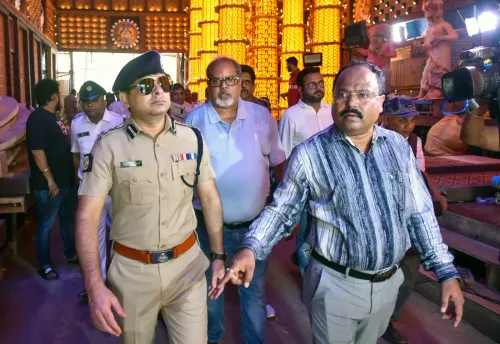
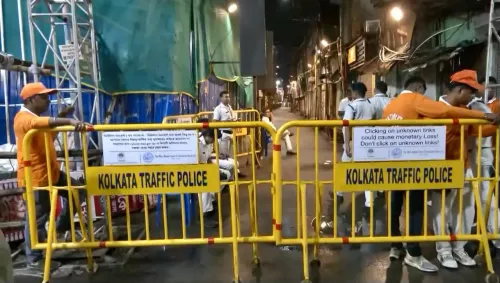
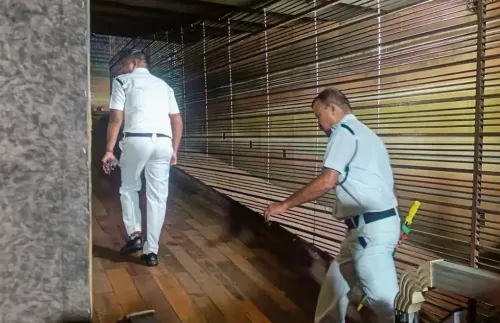
The stampede at the Chorbagan Sarbojanin Durga Puja pandal on 17 October killed 19 people .
Kolkata Police , state fire services , and Kolkata Municipal Corporation will be excluded from the probe panel to ensure impartiality. ₹25 lakh compensation plus a Group-D government job announced for families of each deceased; ₹5 lakh financial assistance and full medical cover for the injured.
Chief Minister Suvendu Adhikari first announced the probe on the night of 17 October and has pledged no one found negligent will be spared.
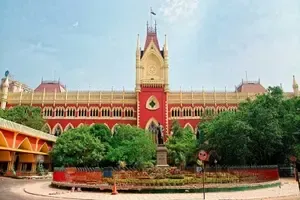
The Calcutta High Court on Tuesday, 20 October 2026, directed the West Bengal government to constitute a judicial probe commission — to be led by a retired judge of the High Court, chosen by the state itself — to investigate the deadly stampede at the Chorbagan Sarbojanin Durga Puja pandal in Kolkata that killed 19 people on the night of 17 October. Chief Justice Ravindra Vithalrao Ghuge issued the directive after a sequence of correspondence between the court and the state administration over how to constitute the panel.
How the Probe Commission Was Ordered
The episode began when West Bengal Chief Secretary Manoj Kumar Agarwal wrote to the office of Chief Justice Ghuge requesting the nomination of a sitting judge of the Calcutta High Court to head the inquiry. The Chief Justice's office, however, declined, citing a prior Supreme Court order that prohibits the appointment of serving judges to statutory commissions. The state was accordingly asked to select a retired judge of its own choosing to lead the commission.
On Tuesday, Chief Justice Ghuge formally directed the state to proceed on that basis, effectively closing the path to using an active bench judge and placing the responsibility for selection squarely on the West Bengal government.
What Chief Minister Adhikari Said
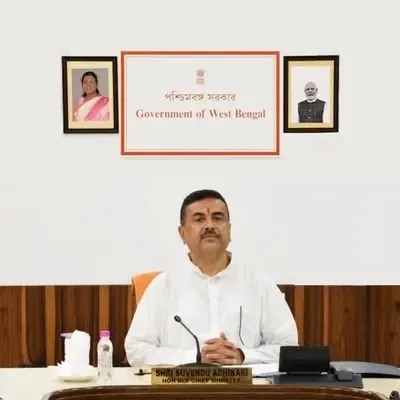
Chief Minister Suvendu Adhikari on Tuesday met some of the families of those who died in the tragedy and handed over compensation cheques. He stated that the judicial probe commission would be directed to complete its investigation 'on a war footing' and submit its report at the earliest. He added that he would meet the remaining bereaved families — those he could not reach on Tuesday — later in the week.
Adhikari had first announced the judicial commission on the night of 17 October, immediately after the stampede. He also confirmed that to preserve impartiality, representatives from the Kolkata Police, the state fire services department, and the Kolkata Municipal Corporation would be excluded from the probe panel. He warned that no one found guilty of negligence — whether the puja organisers or police personnel — would be spared.
Compensation and Support for Victims
The West Bengal government announced ₹25 lakh in financial compensation for the family of each deceased, along with a Group-D government job for a member of the bereaved household. For those injured in the stampede, the state said it would cover all medical expenses and provide an additional financial assistance of ₹5 lakh per injured person.
Background: The Chorbagan Stampede
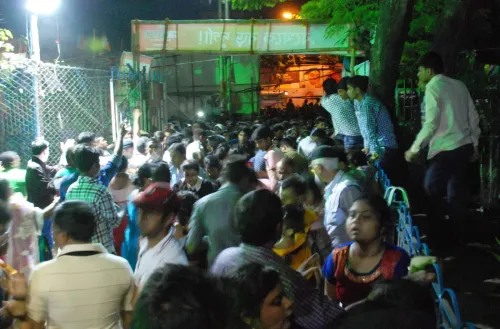
The tragedy unfolded on the night of 17 October during the Durga Puja festivities at the pandal of the Chorbagan Sarbojanin community, one of Kolkata's high-footfall puja celebrations. A total of 19 people died in the crush. Stampedes at large public religious gatherings in India have repeatedly raised questions about crowd management protocols, structural safety clearances, and coordination between police, civic bodies, and event organisers — precisely the agencies the Chief Minister has now chosen to keep off the probe panel, reportedly to avoid a conflict of interest.
What Happens Next
The West Bengal government must now identify and formally appoint a retired High Court judge to chair the commission. The Chief Minister's assurance of a fast-tracked inquiry will be tested by the speed of that appointment and the timeline the commission sets for recording witness statements, examining site evidence, and finalising its report. Families of victims and civil society groups are expected to watch both the commission's composition and its eventual findings closely.
Point of View
Yet accountability arrives only after fatalities. Keeping the Kolkata Police, fire services, and the municipal corporation off the probe panel is a tacit acknowledgement that those agencies may have contributed to the conditions that caused the crush — a point the commission will need to examine without fear or favour. The ₹25 lakh compensation and government jobs are a necessary gesture, but they cannot substitute for structural reform in how permissions, crowd limits, and emergency exits are enforced at puja pandals. The speed with which the state now appoints a retired judge and the terms of reference it grants the commission will signal whether this is a genuine reckoning or a managed de-escalation.
NationPress
20 Oct 2026
Frequently Asked Questions
What happened at the Chorbagan Sarbojanin Durga Puja pandal in Kolkata?
A stampede at the Chorbagan Sarbojanin community Durga Puja pandal in Kolkata on the night of 17 October killed 19 people. The incident triggered a judicial probe order from the Calcutta High Court and a compensation announcement by the West Bengal government.
What did the Calcutta High Court order regarding the stampede probe?
Chief Justice Ravindra Vithalrao Ghuge on 20 October directed the West Bengal government to constitute a judicial probe commission led by a retired judge of the state's High Court, with the state free to select the judge. The court clarified that a Supreme Court precedent bars the appointment of sitting judges to such commissions.
Why were Kolkata Police and civic bodies excluded from the probe panel?
Chief Minister Suvendu Adhikari said representatives of the Kolkata Police, the state fire services department, and the Kolkata Municipal Corporation would not be part of the commission in order to maintain impartiality in the investigation.
What compensation has the West Bengal government announced for victims?
The state has announced ₹25 lakh and a Group-D government job for the family of each of the 19 deceased. Injured persons will have their medical expenses fully covered by the state, along with a ₹5 lakh financial assistance payment.
What happens next in the Kolkata stampede investigation?
The West Bengal government must now name a retired Calcutta High Court judge to head the probe commission. Chief Minister Adhikari has pledged the commission will work 'on a war footing'. The commission's terms of reference, timeline, and eventual findings are expected to be watched closely by victims' families and civil society.