Karnataka HC Stays Rs 500 Bet Case Against Home Minister Parameshwara

Synopsis
The Karnataka High Court has stayed an FIR ordered against Home Minister G. Parameshwara over an alleged Rs 500 bet during a kabaddi match, with Justice Sunil Dutt Yadav questioning whether a casual remark can legally constitute promotion of betting, a ruling that could set a significant precedent for public figures in India.
Key Takeaways
Karnataka High Court on April 24 granted a stay on the Rs 500 betting FIR against Home Minister G.
Justice Sunil Dutt Yadav questioned whether a casual or humorous remark can constitute a criminal offence under betting laws.
A special court had earlier ordered Kodigehalli Police, Tumakuru to register an FIR based on a private complaint by H.R.
Parameshwara stated his remark was made light-heartedly during a kabaddi tournament and was taken out of context.
The minister confirmed that no notice was served to him or his office before the special court passed its FIR order.
The High Court next hearing will examine procedural validity of the lower court directive and could set a precedent for similar complaints against public figures.
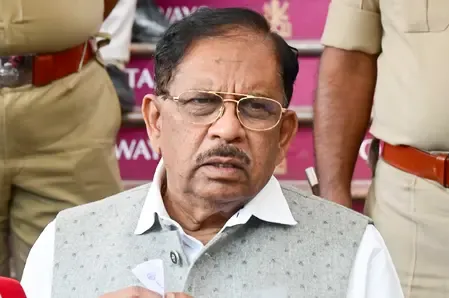
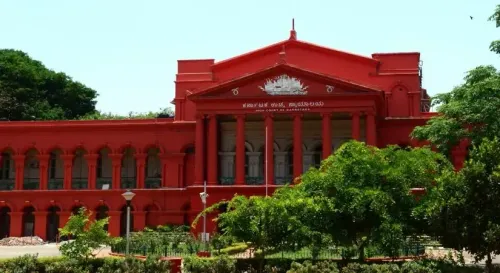
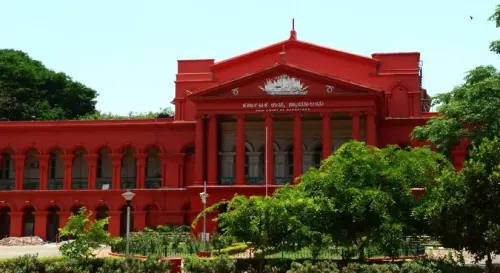
The Karnataka High Court on Thursday, April 24, granted a stay on the Rs 500 betting case registered against state Home Minister G. Parameshwara, halting proceedings initiated by a special court that had ordered an FIR over alleged betting during a kabaddi match in Tumakuru. The High Court bench raised pointed questions about whether a casual or humorous remark could be treated as a criminal offence, signalling serious reservations about the lower court's directive.
High Court Questions Basis of FIR
A bench of Justice Sunil Dutt Yadav took up the matter and questioned the very foundation of the case, asking whether a remark that appeared casual and non-deliberate in nature warranted criminal registration. The bench observed that before ordering a police investigation, an explanation should have been sought from the authorities concerned.
The court stayed all proceedings in the matter and adjourned the hearing to a later date, effectively providing Home Minister Parameshwara temporary relief from the FIR ordered by the special court.
How the Betting Case Was Filed
The controversy originated when a private complaint was filed by H.R. Nagabhushan, who alleged that Parameshwara publicly acknowledged placing a Rs 500 bet during a kabaddi sports tournament. The complainant argued that even a minor bet made or endorsed by a person holding a constitutional position amounts to actively promoting an illegal activity.
Acting on the complaint, a special court on Tuesday directed the Kodigehalli Police in Tumakuru to register an FIR and conduct a comprehensive investigation, noting the message such conduct would send to society.
Parameshwara Defends His Statement
Home Minister Parameshwara responded to the FIR by insisting his words had been taken out of context and misinterpreted. He stated that his remark was made casually, in the spirit of a kabaddi game, and was similar to the light-hearted manner in which people converse in rural settings.
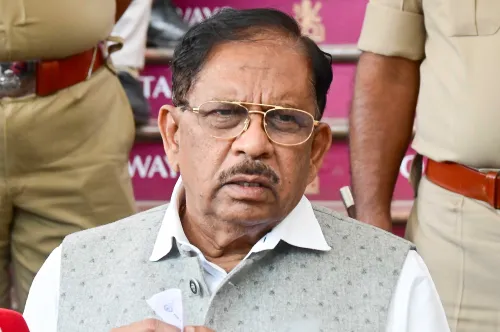
The context in which I spoke is very important. If I had promoted betting, that would have been wrong. But I am in a responsible position; it is completely false to say that I promoted betting, Parameshwara told reporters in Bengaluru.
The minister also noted that neither he nor his office had received any notice before the special court passed its order. No notice was served to us. If we had received a notice, we could have explained the context. But no notice came; suddenly an order was passed, he said.
Broader Implications: When Public Remarks Become Legal Battles
This case highlights a growing pattern in Indian courts where private complaints against politicians over informal statements are increasingly being admitted, raising questions about the threshold for criminal proceedings against public officials. The Karnataka High Court intervention signals judicial caution about allowing such cases to proceed without adequate scrutiny of intent and context.
Notably, the case raises a significant constitutional question: does a public figure's casual remark made in a social or community setting carry the same legal weight as a deliberate endorsement of an illegal activity? Legal experts argue that intent is a critical element in such cases, and the absence of deliberate promotion should be a determining factor.
This comes amid a broader political climate in Karnataka where the ruling Congress government has faced mounting scrutiny on multiple fronts. The timing of the complaint and the speed with which the special court ordered an FIR without issuing notice to the minister has drawn criticism from legal observers who see it as procedurally flawed.
What Happens Next
Parameshwara stated he would carefully study the court order before deciding on further legal steps, adding that he respects the legal process and will act accordingly. With the Karnataka High Court having stayed the proceedings, the matter will next come up for a full hearing where the bench will examine the procedural validity of the special court's directive and the merits of the original complaint. The outcome could set an important precedent on how courts handle complaints against politicians over informal or contextual remarks.
Point of View
But it exposes a troubling trend: the weaponisation of private complaints to trigger FIRs against political figures over informal remarks, bypassing basic procedural safeguards like prior notice. The Karnataka High Court's swift intervention reflects a necessary judicial check on what critics would call complaint activism. What is equally telling is that the special court passed its order without issuing notice to the minister, a procedural lapse that undermines the integrity of the process itself. This case is less about Rs 500 and more about where the line between public accountability and legal overreach truly lies.
NationPress
16 Sept 2026
Frequently Asked Questions
Why did the Karnataka High Court stay the Rs 500 betting case against Parameshwara?
The Karnataka High Court stayed the case because Justice Sunil Dutt Yadav questioned whether a casual or humorous remark could be treated as a criminal offence. The bench also noted that an explanation should have been sought before ordering an investigation.
What was the Rs 500 betting case against Karnataka Home Minister Parameshwara?
A private complainant H.R. Nagabhushan alleged that Home Minister G. Parameshwara placed a Rs 500 bet during a kabaddi sports tournament in Tumakuru. A special court ordered the Kodigehalli Police to register an FIR and investigate the matter.
What did Parameshwara say about the betting allegations?
Parameshwara denied promoting betting and clarified that his remark was made casually in the context of a kabaddi game, similar to how people speak in rural settings. He also said no notice was served to him before the court passed its order.
Who filed the complaint against Parameshwara in the betting case?
The complaint was filed by a private individual named H.R. Nagabhushan. He argued that even a small bet made or publicly acknowledged by a person holding a constitutional position amounts to promoting an illegal activity.
What happens next in the Parameshwara betting case?
The Karnataka High Court has stayed the proceedings and adjourned the hearing to a future date. The bench will examine the procedural validity of the special court's FIR order and the merits of the original complaint.