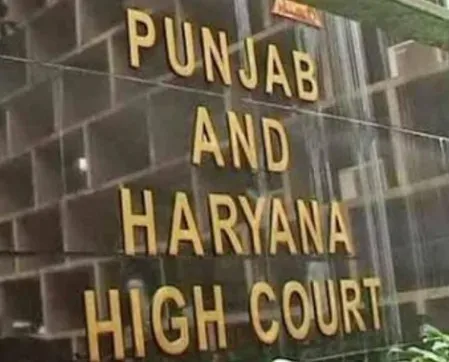
Punjab and Haryana High Court stays tree felling for Tribune Chowk flyover
Synopsis
The Punjab and Haryana High Court has put Chandigarh's ₹200 crore Tribune Chowk flyover on hold by staying the felling of trees along the route. With the city's own Master Plan reportedly not permitting flyovers and costs already up 45% since 2019, the court's final verdict could force a fundamental rethink of how Chandigarh manages its traffic — and its green cover.
Key Takeaways
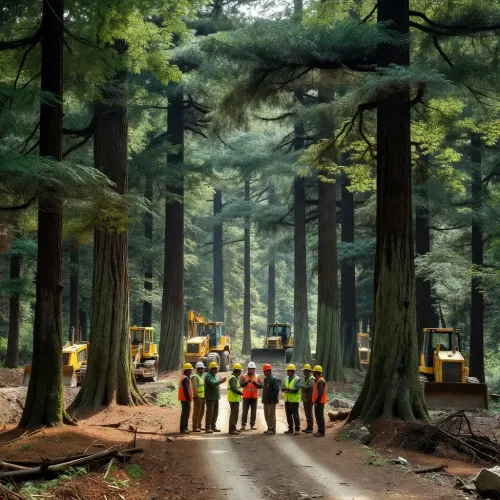
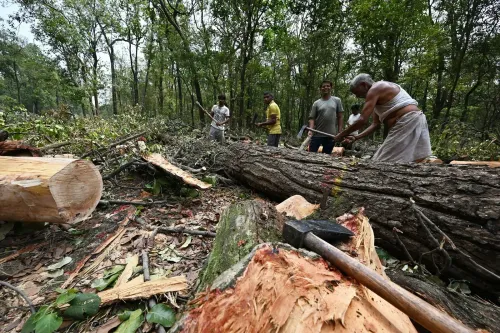
The Punjab and Haryana High Court on 15 May stayed tree felling for the Tribune Chowk flyover in Chandigarh .
The bench of Chief Justice Sheel Nagu and Justice Sanjeev Berry restrained the Chandigarh Administration from felling any tree near Tribune Chowk pending final judgment.
The proposed 1.6-km flyover has seen costs rise from ₹137 crore in 2019 to ₹200 crore — a 45% increase over seven years.
Petitioner Jagwant Bath argued the project violates the Chandigarh Master Plan of 2031 , which does not permit flyovers within the city.
The Department of Urban Planning was reportedly initially opposed to the project on Master Plan grounds.
The court reserved judgment on Wednesday ; the stay remains in force until the final verdict.
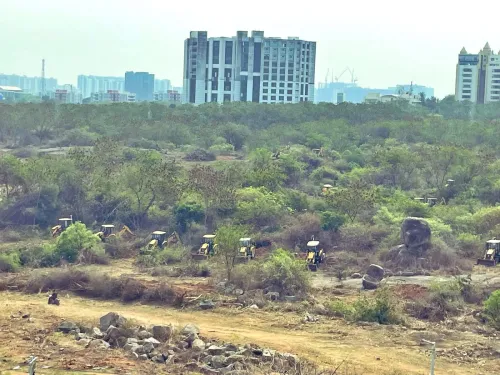
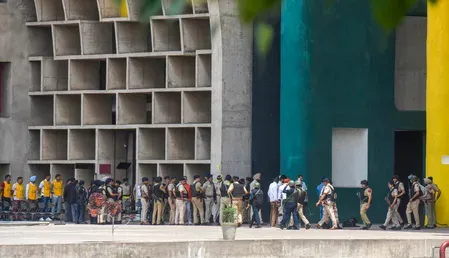
The Punjab and Haryana High Court on Friday, 15 May stayed the felling of trees earmarked for the proposed Tribune Chowk flyover in Chandigarh, halting construction preparations pending a final judicial verdict. The interim order effectively puts the ₹200 crore project on hold.
What the Court Ordered
A Division Bench comprising Chief Justice Sheel Nagu and Justice Sanjeev Berry restrained the Chandigarh Administration and all other respondents from felling any mango tree or any other tree in the vicinity of Tribune Chowk. The Bench clarified that 'the interim direction shall remain subject to the final outcome in the petition,' noting that the matter had already been heard and was likely to be decided at an early date. The court had reserved its judgment on Wednesday.
Who Petitioned and Why
The petition was filed by Jagwant Bath and other petitioners who raised environmental concerns and challenged what they described as an assault on Chandigarh's heritage character. They argued that the Chandigarh Master Plan of 2031 — a statutory document notified under the Capital of Punjab Act, 1952 and the Punjab New Capital (Periphery) Control Act, 1952 — does not recommend the construction of flyovers within the city. The plan, they contended, mandates that alternative traffic management measures be explored first.
The petitioners also claimed that the Department of Urban Planning was initially opposed to the project, holding the view that the Master Plan does not permit it.
Project Background and Cost Escalation
The flyover project was first conceived in 2016 to decongest the Tribune roundabout, a key junction through which most traffic entering the city passes. The Chandigarh Administration received approval from the Union Ministry of Road Transport and Highways (MoRTH) to proceed. The proposed 1.6-km structure is designed to begin after the Government Medical College and Hospital in the Sector 32 roundabout and end ahead of the railway overbridge on Dakshin Marg.
Repeated procedural delays, however, have significantly inflated costs — from ₹137 crore in 2019 to ₹200 crore now, a 45% rise over seven years. This escalation has added urgency to questions about whether the project should proceed at all, or whether less ecologically disruptive traffic solutions should be adopted instead.
What Happens Next
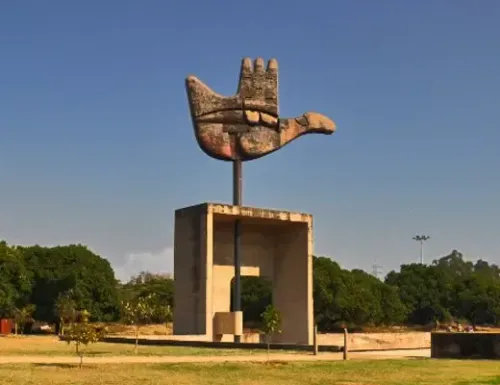
With judgment reserved, the court's final ruling will determine whether the flyover can proceed as planned or whether the administration must explore alternative traffic management approaches consistent with the Master Plan. The stay on tree felling remains in force until that verdict is delivered. The case underscores a broader tension in Indian urban planning between infrastructure expansion and environmental preservation — particularly in heritage cities like Chandigarh, which was designed by Le Corbusier and carries a distinct planning legacy.
Point of View
The administration's decision to push ahead anyway raises serious questions about how planning norms are being applied. The 45% cost escalation over seven years, with nothing yet built, also points to a project management failure that has compounded the environmental stakes. Courts stepping in to enforce Master Plan provisions is a symptom of a planning process that should have resolved these contradictions far earlier.
NationPress
7 Oct 2026
Frequently Asked Questions
Why did the Punjab and Haryana High Court stay the Tribune Chowk flyover project?
The court stayed the felling of trees for the flyover after petitioners argued it violates the Chandigarh Master Plan of 2031, which does not recommend flyover construction within the city. The Division Bench issued the interim order while reserving its final judgment.
What is the Tribune Chowk flyover project?
It is a proposed 1.6-km flyover in Chandigarh designed to ease traffic congestion at the Tribune roundabout, a major junction for city-bound traffic. Conceived in 2016, it has approval from the Union Ministry of Road Transport and Highways, but has faced repeated delays.
How much has the flyover project cost escalated?
The project cost has risen from ₹137 crore in 2019 to ₹200 crore currently — a 45% increase over seven years, largely attributed to repeated procedural delays.
Who filed the petition against the tree felling?
The petition was filed by Jagwant Bath and other petitioners who raised environmental concerns and argued the project contradicts Chandigarh's statutory Master Plan of 2031 and its heritage character.
What happens next in the Tribune Chowk flyover case?
The Punjab and Haryana High Court has reserved its judgment and the stay on tree felling remains in force until the final verdict is delivered. The ruling will determine whether the flyover can proceed or whether alternative traffic solutions must be explored.