CM Hemant Soren Pushes Tech-Driven Citizen Services in Jharkhand
Synopsis
The Chief Minister's Office of Jharkhand announced on 9 July 2026 that CM Hemant Soren is spearheading an initiative to deploy cutting-edge technology for more effective and transparent citizen services, building on the state's e-governance foundations to better serve its large tribal and rural population.
Key Takeaways
The Chief Minister's Office of Jharkhand announced on 9 July 2026 a technology-driven initiative to improve citizen service delivery.
Chief Minister Hemant Soren of the Jharkhand Mukti Morcha is leading the push, framed around effectiveness and transparency.
Jharkhand's tribal and rural populations stand to benefit most from improved digital access to government services.
The initiative builds on the national Digital India framework and the state's own e-District services launched between 2013 and 2015 .
Specific technologies, platforms, and rollout timelines have not yet been disclosed by the government.
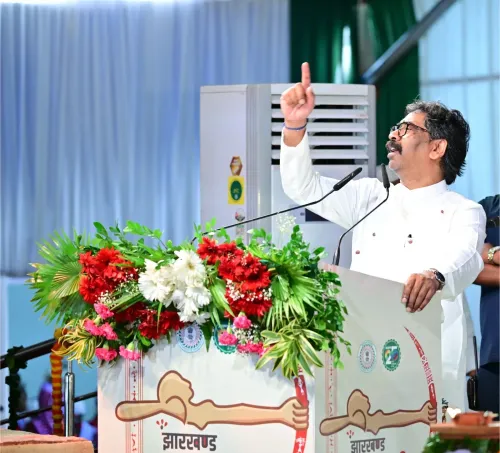
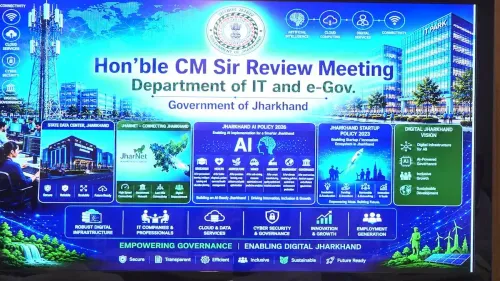
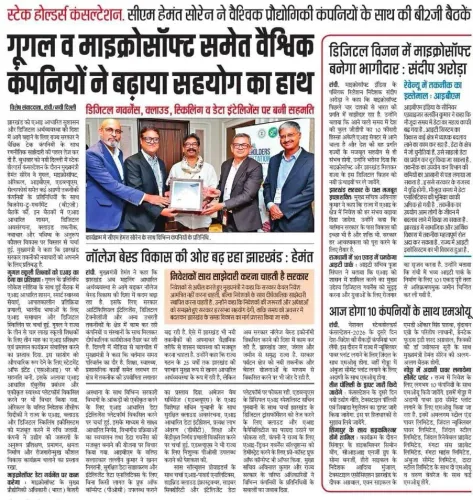
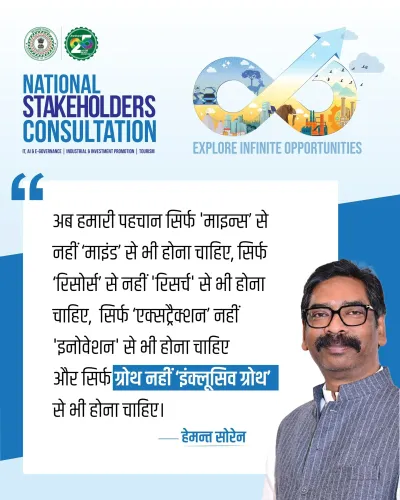
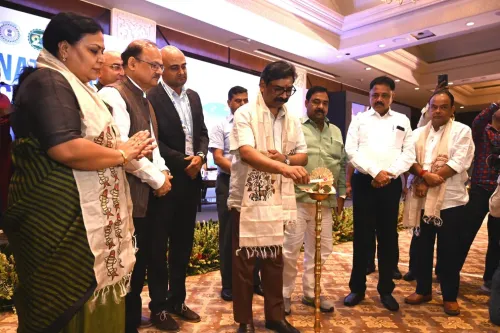
The Chief Minister's Office of Jharkhand announced on Thursday, 9 July 2026 that the state government, under the leadership of Chief Minister Hemant Soren, is advancing an initiative to make citizen services more effective and transparent through cutting-edge technology.
The official post, shared under the hashtag #JharkhandSeJohar, stated that the push aims to deploy advanced technology to strengthen public service delivery across the state. The initiative reflects the Soren-led government's continued focus on leveraging digital tools to bring administration closer to the people of Jharkhand.
Context
Jharkhand is home to one of India's largest Scheduled Tribe populations, spread across forested and rural geographies where access to government services has historically been limited. Physical distance from administrative centres and documentation barriers have long posed challenges for citizens seeking welfare benefits, certificates, and entitlements. Digital service delivery has been seen as a critical lever to bridge this gap. Chief Minister Hemant Soren of the Jharkhand Mukti Morcha (JMM) has consistently positioned technology-enabled governance as a priority since returning to power, framing it as essential to ensuring that welfare reaches tribal and rural communities without leakage or delay.Policy Backdrop
The national Digital India programme, launched in 2015, set the framework for states to build e-governance infrastructure. Jharkhand rolled out its State Portal and e-District services between 2013 and 2015, enabling online delivery of certificates and welfare benefits. The current initiative appears to build on this foundation, aiming to deepen the integration of modern technology into frontline service delivery. Across India, state governments have progressively adopted digital platforms to reduce leakages, improve accountability, and extend the reach of welfare schemes. Jharkhand's approach ties this broader national pattern to the specific needs of its tribal and forest-dwelling populations, for whom physical access to government offices remains a persistent challenge.Stakeholders and Impact
The primary beneficiaries of this push are Jharkhand's estimated 3.8 crore citizens, with particular relevance for rural and tribal communities in districts with low administrative density. Improved digital service delivery could streamline access to land records, social security benefits, caste and income certificates, and other entitlements that have traditionally required multiple visits to government offices. For the state administration, greater use of technology also implies improved data trails, reduced scope for intermediary corruption, and faster grievance redressal. Civil society groups working with tribal communities have long advocated for transparent, accessible service delivery as a means of protecting constitutional rights and entitlements.What's Next
The announcement does not specify the exact tools, platforms, or timelines involved in this initiative. Observers will watch for details on any new applications, artificial intelligence tools, or integrated data platforms that the Jharkhand government may formally announce in subsequent cabinet meetings or budget sessions. The rollout of specific digital services and their reach into Jharkhand's most remote blocks will be the clearest measure of whether this initiative translates into tangible change for citizens on the ground.Point of View
Using digital governance as a visible marker of administrative intent. For a state where tribal welfare and transparency in entitlement delivery are perennial electoral touchstones, technology-led reform carries both policy and political weight. The initiative fits a broader pattern of JMM positioning itself as a responsive, reform-oriented administration attentive to the needs of Jharkhand's marginalised communities. The real test, however, will lie in implementation details — specifically whether new tools reach the block and panchayat level where service gaps are most acute.
NationPress
8 Oct 2026
Frequently Asked Questions
What is the Jharkhand government's new technology initiative for citizen services?
The Chief Minister's Office of Jharkhand announced on 9 July 2026 that CM Hemant Soren is leading an effort to use cutting-edge technology to make citizen services more effective and transparent, though specific platforms or tools have not yet been detailed.
Who is Hemant Soren and what party does he lead?
Hemant Soren is the Chief Minister of Jharkhand and the leader of the Jharkhand Mukti Morcha (JMM), a regional party with strong roots among the state's tribal communities.
What is the Digital India programme and how does it relate to Jharkhand?
Digital India is a national programme launched in 2015 to promote e-governance across states. Jharkhand built on this by rolling out its State Portal and e-District services between 2013 and 2015 to enable online delivery of certificates and welfare benefits.
How will this initiative benefit tribal and rural communities in Jharkhand?
Improved digital service delivery could reduce the need for multiple visits to government offices, making it easier for tribal and rural citizens to access land records, welfare benefits, and official certificates.
What should we watch for next regarding Jharkhand's e-governance push?
Observers will look for formal announcements of specific apps, AI tools, or data platforms in upcoming cabinet meetings or budget sessions, as well as evidence of rollout in remote blocks and panchayats.