CM Hemant Soren launches state-wide anti-drug drive in Jharkhand
Synopsis
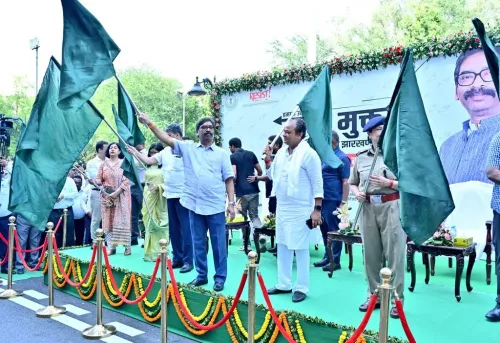
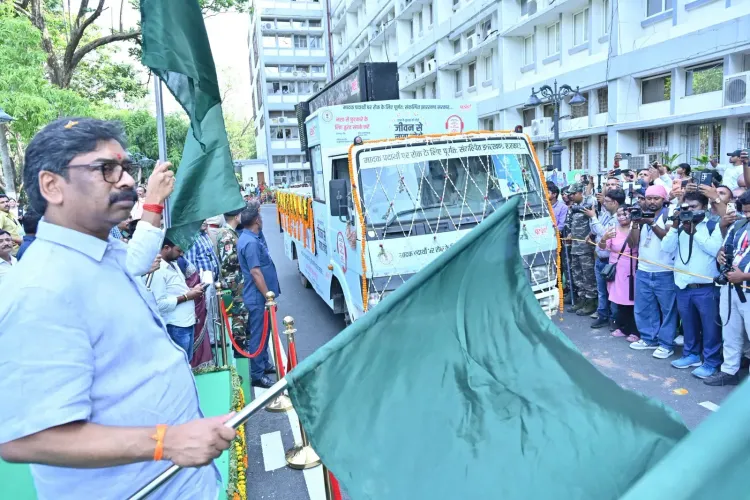
Chief Minister Hemant Soren on 15 June 2026 flagged off mobile awareness chariots from the Jharkhand secretariat, launching a state-wide anti-drug campaign targeting rural and urban communities on social, economic, and health harms of substance abuse, running until 26 June.
Key Takeaways
CM Hemant Soren formally launched the state-wide anti-drug awareness campaign on 15 June 2026 at the Jharkhand secretariat.
Mobile prachar raths (awareness chariots) will carry the campaign's message across rural and urban areas of Jharkhand.
The campaign runs until 26 June 2026 , coinciding with the International Day Against Drug Abuse and Illicit Trafficking .
The drive targets social, economic, and health-related harms of substance abuse, with a focus on tribal, rural, and urban youth populations.
The initiative aligns with the national Nasha Mukt Bharat Abhiyan framework launched in 2020 by the Ministry of Social Justice and Empowerment.
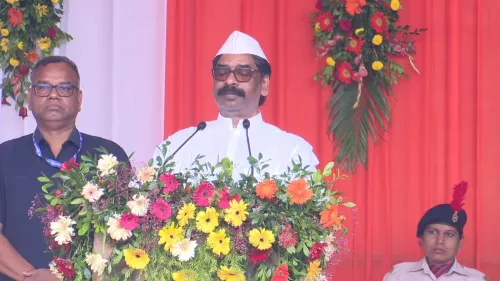
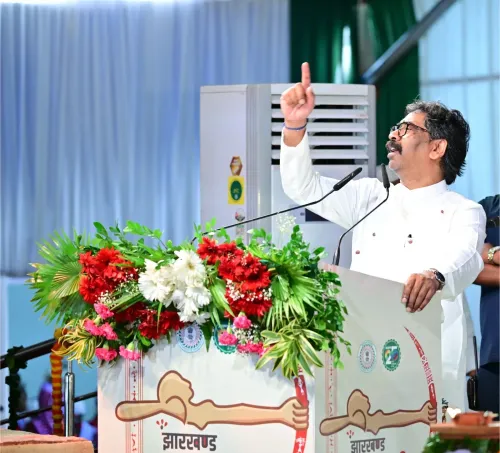
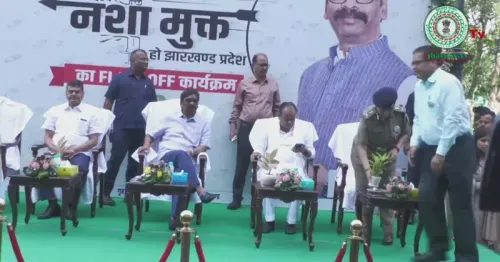
The Chief Minister's Office of Jharkhand announced on Monday, 15 June 2026 that Chief Minister Hemant Soren flagged off prachar raths (awareness chariots) from the state secretariat, formally launching a state-wide anti-drug campaign that will run until 26 June 2026.
Context
Soren launched the drive by giving the green flag to mobile outreach vehicles — referred to as prachar raths — that will fan out across both rural and urban areas of the state. According to the official post, the campaign aims to make people aware of the social, economic, and health-related harms caused by substance abuse.
The closing date of 26 June is significant: it coincides with the International Day Against Drug Abuse and Illicit Trafficking, observed globally each year. Indian states routinely time such drives to peak around this date, lending the Jharkhand campaign a broader symbolic weight.
Policy Backdrop
The initiative aligns with the Nasha Mukt Bharat Abhiyan, the national anti-drug awareness programme launched in 2020 by the Ministry of Social Justice and Empowerment. That framework focuses on demand reduction through community outreach, awareness drives, and de-addiction support across districts.
Jharkhand's campaign fits within this national architecture, extending the message to the state's distinctive demographic mix of tribal communities, rural populations, and urban youth — all groups identified as priority stakeholders in substance-abuse prevention work.
Stakeholders and Impact
Substance abuse in Jharkhand affects communities across economic strata, but the burden falls disproportionately on rural and tribal households, where lost productivity and health costs can push families deeper into poverty. The mobile chariot format is designed to reach populations in villages and small towns that fixed de-addiction infrastructure may not easily serve.
Urban residents and youth are also explicitly targeted, reflecting a pattern seen in other state campaigns where cities show rising consumption of synthetic and pharmaceutical substances alongside traditional ones. The dual rural-urban focus signals an attempt at comprehensive coverage within the campaign window.
What's Next
The campaign concludes on 26 June 2026, the same day as the international observance, which typically draws state-level events, pledges, and media attention. Observers will watch whether the government follows up with announcements on de-addiction centre expansion, additional funding, or a second phase of outreach beyond the initial fortnight.
If district-level participation numbers are released after the campaign closes, they will offer a clearer picture of the drive's actual reach — and may inform future policy decisions on substance-abuse prevention in one of India's more demographically complex states.
Point of View
Which signals a deliberate attempt to push beyond urban centres into tribal and rural hinterlands where outreach infrastructure is thin. For CM Hemant Soren, whose political base rests heavily on tribal constituencies, the campaign carries both a public-health rationale and an implicit governance signal about welfare delivery in underserved areas. The real test will come after 26 June, when the spotlight fades and the question of sustained de-addiction infrastructure investment remains open.
NationPress
16 Sept 2026
Frequently Asked Questions
What is the Jharkhand anti-drug campaign launched by Hemant Soren?
Chief Minister Hemant Soren launched a state-wide anti-drug awareness campaign on 15 June 2026, flagging off mobile 'prachar raths' from the Jharkhand secretariat to spread awareness about the social, economic, and health harms of substance abuse across rural and urban areas until 26 June 2026.
When does the Jharkhand nasha mukt campaign end?
The campaign is scheduled to conclude on 26 June 2026, which is also the International Day Against Drug Abuse and Illicit Trafficking.
What is Nasha Mukt Bharat Abhiyan?
Nasha Mukt Bharat Abhiyan is a national anti-drug campaign launched in 2020 by India's Ministry of Social Justice and Empowerment, aimed at reducing drug demand through community awareness and de-addiction outreach. Jharkhand's current drive aligns with this national framework.
Who are the target groups of the Jharkhand anti-drug drive?
The campaign targets both rural and urban populations in Jharkhand, with a particular focus on tribal communities, rural households, and urban youth — groups identified as especially vulnerable to the harms of substance abuse.
What are 'prachar raths' in the context of this campaign?
'Prachar raths' are mobile awareness vehicles or chariots that travel through villages and towns to spread public-health messages. In this campaign, they are being used to reach communities across Jharkhand that may not have easy access to fixed de-addiction or awareness centres.