CM Hemant Soren pays tribute to Shibu Soren's silent pillar
Synopsis
Jharkhand CM Hemant Soren paid an emotional tribute to his mother on 15 October 2026, honouring her as the quiet strength behind Shibu Soren's decades-long struggle for Jharkhand statehood, rooted in the state's forests and fields.
Key Takeaways
Hemant Soren posted a heartfelt Hindi tribute on 15 October 2026 honouring his mother's role alongside Shibu Soren .
He described her as Shibu Soren's 'taakat, sambal aur himmat' — strength, support, and courage — through every hardship of the movement.
The tribute invokes the iconic JMM vocabulary of jal, jungle, zameen , anchoring the family legacy in the grassroots of the Jharkhand struggle.
Shibu Soren founded the Jharkhand Mukti Morcha in 1972 ; the state was finally created on 15 November 2000 after decades of agitation.
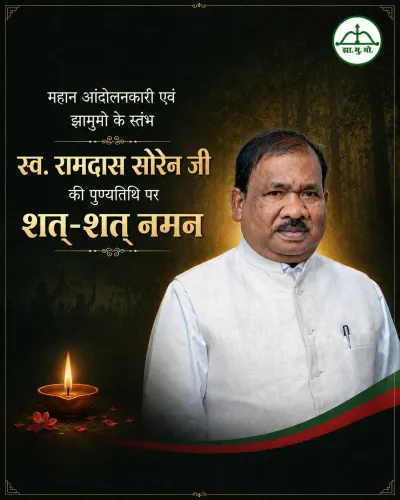
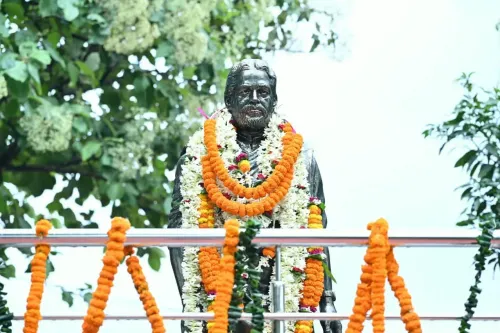
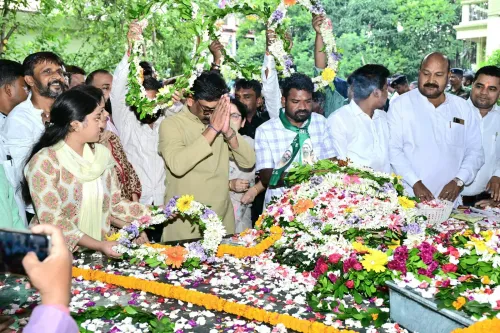
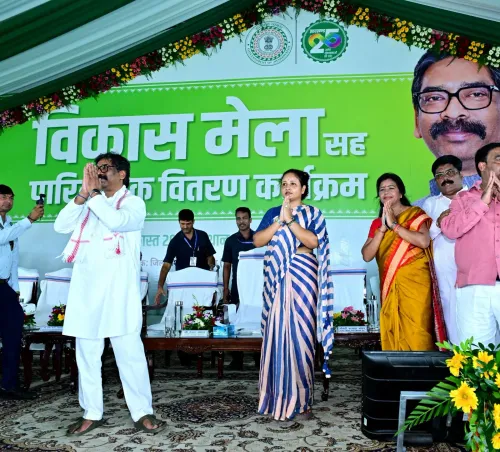
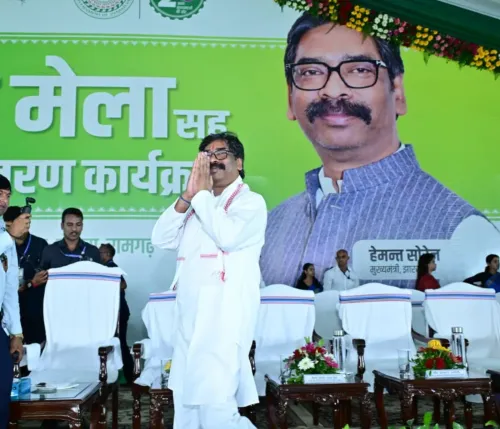
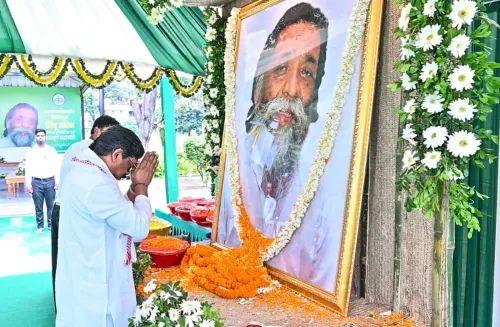
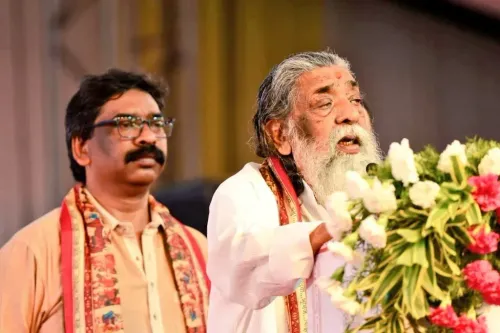
The post was accompanied by three personal photographs , giving the tribute an intimate rather than ceremonial character.
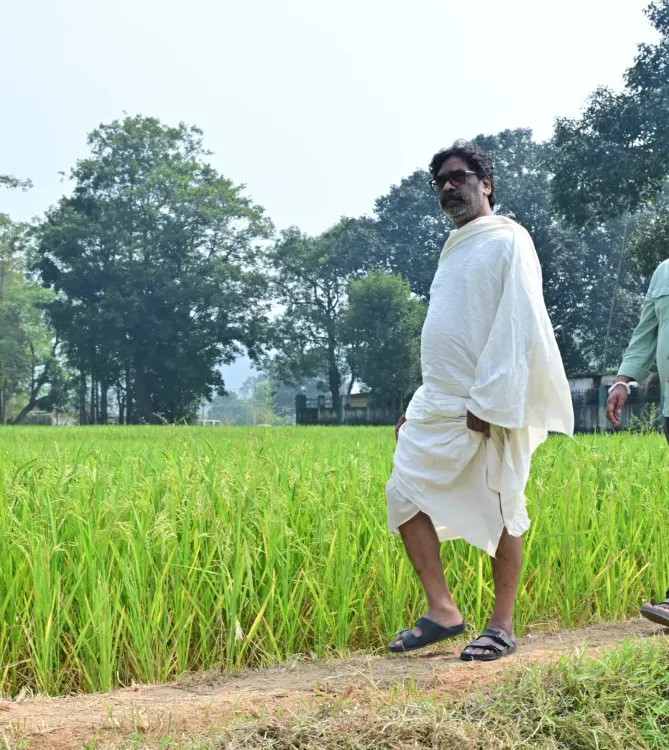
Along the same village footpaths, the same fields, and the same forests where Jharkhand Mukti Morcha founder Shibu Soren first ignited a movement for tribal rights, Jharkhand Chief Minister Hemant Soren paused on Thursday, 15 October 2026, to remember the woman who never let go of his father's hand.
In a moving post in Hindi, CM Hemant Soren wrote: 'Gaon ki inheen pagdandiyon, inheen kheton aur jal-jungle ke beech Baba ne sangharsh ki shuruaat ki thi' — 'It was along these very village paths, these same fields, amid the water and forest, that Baba began his struggle.' He added that through every difficult stretch of that journey, his mother walked beside Shibu Soren as his constant companion — not merely a partner, but his strength, his support, and his greatest courage at every hard turn.
Where Jharkhand's struggle was born
The imagery Hemant Soren invokes — jal, jungle, zameen (water, forest, land) — is the very vocabulary of the Jharkhand movement itself. Shibu Soren founded the Jharkhand Mukti Morcha in 1972 to demand a separate state that would protect indigenous tribal communities' rights over their natural resources. That demand, waged across decades from the villages and forests of what was then southern Bihar, finally delivered Jharkhand as an independent state on 15 November 2000.
The setting of the tribute — rural paths, paddy fields, dense forest — is not incidental. It anchors the Soren family's political legitimacy in the grassroots, reminding JMM supporters that the statehood struggle was not won in committee rooms but in the same landscapes tribal communities call home.
The woman behind the movement's most difficult miles
Hemant Soren's tribute centres on an unsung dimension of long political struggles: the steadying presence of family. He describes his mother not as a passive bystander but as Shibu Soren's 'taakat, sambal aur himmat' — strength, support, and courage. The three-word formulation is deliberate; it elevates her from companion to co-bearer of the movement's enormous personal cost.
Regional parties like the JMM, whose entire identity is rooted in a founding sacrifice, draw deep legitimacy from exactly this kind of remembrance. By naming his mother's role publicly, Hemant Soren weaves the family's private endurance into the broader tapestry of Jharkhand's political memory — ensuring that history counts not just the leader at the front, but the pillar who held him upright.
Three photographs accompanied the post, grounding the tribute in what appeared to be personal and familial imagery rather than official ceremony — an intimate register that sets this moment apart from routine political communication.
Some struggles are remembered in statues and statehood days. This one is also remembered in a mother's quiet grip on a hand that never let go.
Point of View
He deepens the family's claim to custodianship of the Jharkhand movement's moral legacy. The choice of the jal-jungle-zameen frame is also politically precise — it reconnects the party's current leadership to its tribal-rights origins ahead of what is always a charged season around Jharkhand Foundation Day. Such tributes are not merely nostalgic; they are legitimacy-building exercises that speak directly to the JMM's core base of tribal communities who measure leaders by the depth of their roots.
NationPress
15 Oct 2026
Frequently Asked Questions
Who is Hemant Soren paying tribute to in this post?
Hemant Soren is honouring his mother for her unwavering support of his father, Shibu Soren , during the decades-long struggle for Jharkhand statehood.
Who is Shibu Soren and what is his significance to Jharkhand?
Shibu Soren is the founder of the Jharkhand Mukti Morcha, established in 1972 , who led the tribal rights movement that eventually resulted in Jharkhand becoming a separate state on 15 November 2000 .
What does 'jal jungle zameen' mean in the Jharkhand context?
Jal jungle zameen means 'water, forest, land' and is the defining slogan of the Jharkhand movement, representing indigenous tribal communities' rights over their natural resources.
When was the Jharkhand Mukti Morcha founded?
The Jharkhand Mukti Morcha was founded in 1972 by Shibu Soren to advocate for a separate Jharkhand state and the protection of tribal communities' rights.
When did Jharkhand become a separate state?
Jharkhand was carved out as an independent state on 15 November 2000 , after nearly three decades of sustained agitation by the JMM and tribal leaders demanding separation from Bihar.