CM Himanta Launches 1.25 Lakh Sapling Drive at Behali Sanctuary
Synopsis
Assam CM Himanta Biswa Sarma has announced a plantation drive of over 1.25 lakh native saplings across 50 hectares at Behali Wildlife Sanctuary — the state's newest — reclaiming formerly encroached land as part of Assam's statewide greening push.
Key Takeaways
Assam CM Himanta Biswa Sarma announced a plantation drive at Behali Wildlife Sanctuary , the newest sanctuary in the state.
The drive covers 50 hectares of formerly encroached land with over 1.25 lakh native saplings .
Use of native species is intended to restore ecologically functional habitat, not just increase green cover on paper.
The initiative aligns with India's National Forest Policy targets for expanding forest and tree cover.
Assam has notified multiple new wildlife sanctuaries over the past decade to counter encroachment and expand protected areas.
Sapling survival rates and long-term community involvement will determine whether the restored land becomes self-sustaining forest.
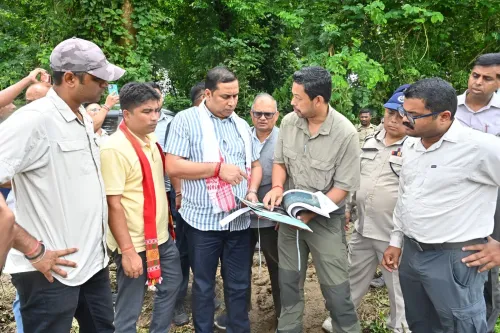
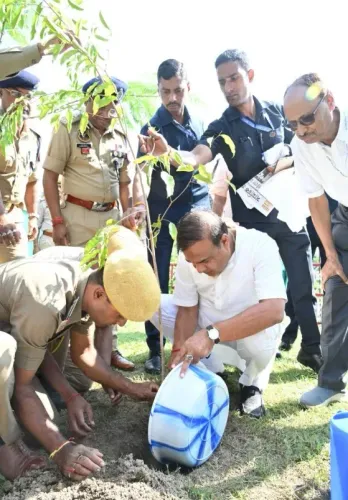
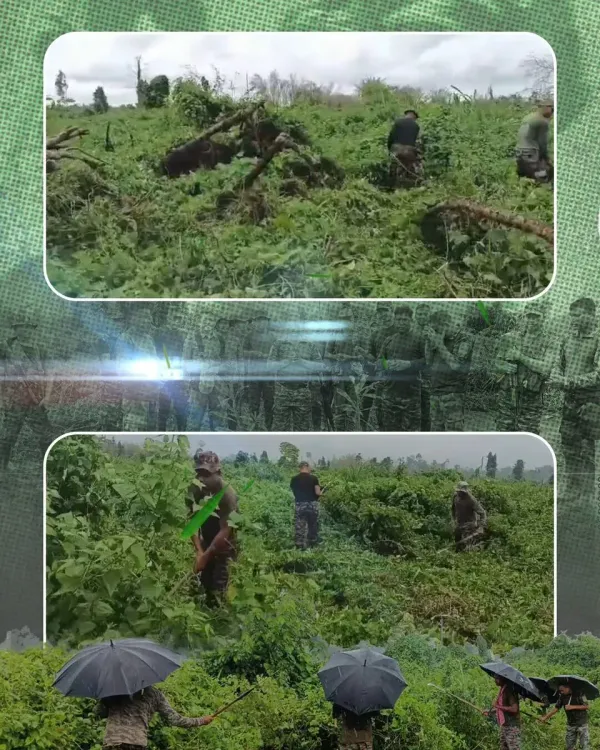
Encroached land is being reclaimed — not by bulldozers, but by roots. Assam Chief Minister Himanta Biswa Sarma announced on Sunday, August 9, 2026, that Behali Wildlife Sanctuary — the newest protected area in the state — is undergoing a sweeping plantation drive spanning 50 hectares and more than 1.25 lakh native saplings.
From Encroachment Flashpoint to Native Forest
Behali is not a pristine wilderness being gently tended. It is land that was once lost — encroached upon and degraded before the Assam government moved to notify it as a wildlife sanctuary. That history makes the restoration drive more than a greening exercise; it is a deliberate act of ecological reclamation. Native saplings are the key detail here: planting species that belong to the region's original forest mosaic gives the restored patches a far better chance of becoming self-sustaining habitat rather than a monoculture plantation that looks green on a map but functions as little else.Assam's Broader Push to Expand Protected Areas
Behali is part of a wider pattern. The Assam government has notified multiple new wildlife sanctuaries over the past decade, steadily expanding the state's network of protected areas even as it grapples with persistent encroachment pressures — a tension that defines conservation politics across the Northeast. The plantation drive at Behali slots directly into national commitments under the National Forest Policy, which sets targets for raising forest and tree cover across India. For a state that sits at the biodiversity-rich confluence of the Eastern Himalayas and the Indo-Burma hotspot, every reclaimed hectare carries outsized ecological value. Sarma framed the moment with pointed optimism: 'What was once encroached land will soon be a thriving forest,' he wrote, describing the drive as a boost to the state's 'statewide greening efforts.' The real test, of course, will come in the seasons ahead — sapling survival rates in restored encroachment zones are notoriously variable, and the state forest department and local communities will both need to stay invested for the canopy to close. One sanctuary, 50 hectares, 1.25 lakh native saplings — and a signal that Assam intends to keep converting its newest protected areas from paper declarations into functioning forests.Point of View
CM Sarma is making a dual argument: that land rights and conservation are not mutually exclusive, and that reclamation can be a vote-friendly narrative in a state where land politics runs deep. The choice of native saplings over faster-growing exotic species suggests the forest department is prioritising ecological integrity, though survival monitoring will be the true measure. Regionally, it reinforces the Northeast's emerging role as a testing ground for India's biodiversity commitments under both domestic policy and international frameworks.
NationPress
23 Sept 2026
Frequently Asked Questions
What is Behali Wildlife Sanctuary in Assam?
Behali Wildlife Sanctuary is the newest wildlife sanctuary notified by the Assam government, located in the state's northeastern region. It was previously affected by encroachment and is now being restored through a large-scale native sapling plantation drive.
How many saplings are being planted at Behali Wildlife Sanctuary?
Over 1.25 lakh native saplings are being planted across 50 hectares of formerly encroached land at Behali Wildlife Sanctuary as part of the restoration drive announced by CM Himanta Biswa Sarma.
Why is Assam planting native saplings instead of other tree species?
Native saplings belong to the region's original forest ecosystem, giving restored patches a better chance of becoming self-sustaining, biodiverse habitat rather than a monoculture plantation that offers limited ecological value.
What is Assam's broader forest conservation policy?
Assam has notified multiple new wildlife sanctuaries over the past decade and runs statewide greening programmes aligned with India's National Forest Policy, which sets national targets for expanding forest and tree cover.
What challenges does Assam face in wildlife sanctuary conservation?
Assam faces persistent encroachment pressures on forest and protected land, particularly in newly notified sanctuaries. Long-term success depends on sapling survival rates and sustained involvement from the state forest department and local communities.